Article
Map a 15‑Year Rose Bay Property and Mortgage Game Plan
A practical 10–15 year property and mortgage blueprint for a Rose Bay family. Map likely life stages, sequence upgrades and investments, and set clear rules for debt, buffers and tax under changing rules.
Key Takeaway
Designing a 10–15 year property and mortgage plan for a Rose Bay family means starting with a clear target home, comfortable end‑debt level, and school/work timeline, then mapping 3–4 realistic property “moves” to get there. For a $3m Rose Bay home, a 5–10% valuation shift can change usable equity by six figures, so families should cap LVRs, maintain 3–6 months of buffers, and review structures annually. The key action is documenting your roadmap this week, then stress‑testing it with a broker-accountant team.

A 10–15 year Rose Bay property and mortgage plan means deciding your end game (where you’ll live and what debt you’ll carry), then mapping 3–4 realistic moves to get there, with clear rules for borrowing limits, buffers and how you’ll use equity.
Do it properly and every decision over the next decade points to that end goal instead of reacting to headlines or auctions.
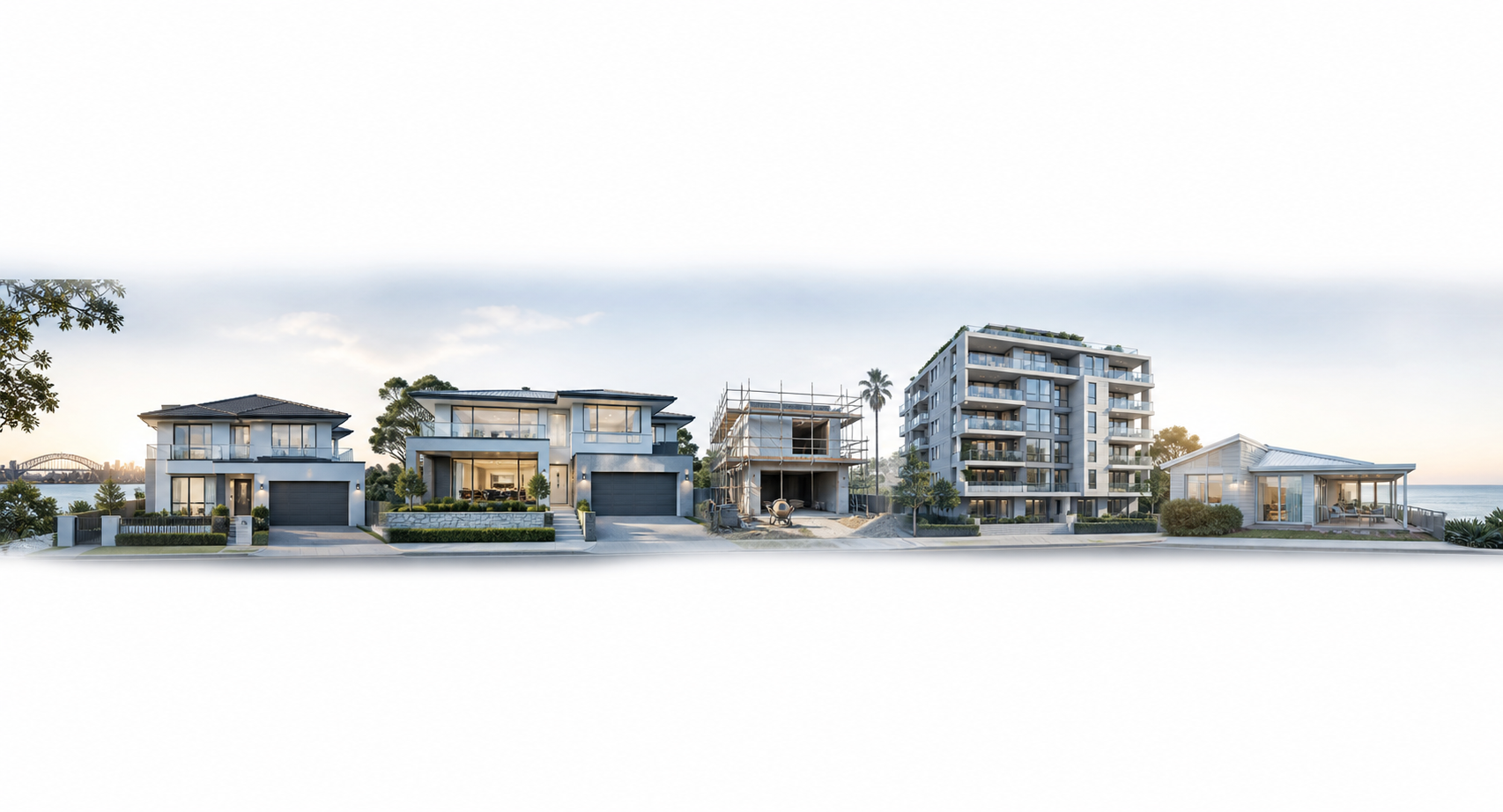
Step 1: Define your Rose Bay end game
Start at Year 10–15 and work backwards.
For most Rose Bay families, the anchor questions are:
- Where do we want to live and in what kind of property?
- How much mortgage are we comfortable with in our 50s?
- What school, work and business decisions are already locked in?
Examples:
- "We want to end up in a renovated 4‑bed semi near Lyne Park by Year 12, with under $1.2m debt and kids in high school."
- "We’re happy in the current apartment long term, but want one investment property plus a healthy offset for flexibility."
Write down:
- Target home type and rough value (e.g. $3m house vs $2m large apartment).
- Maximum end‑debt you’re okay carrying (e.g. $1m by age 55).
- Non‑negotiables: school zones, business premises, elderly parents.
Remember: in prestige suburbs like Rose Bay, a 5–10% valuation swing on a $3m property can create a six‑figure funding gap at 80% LVR, so planning around ranges, not single numbers, matters.
For a broader framework, see the Eastern Suburbs roadmap piece: Build a 10–15 Year Property and Mortgage Roadmap for Your Eastern Suburbs Family.
Step 2: Map your 3–4 key moves
Once you know the destination, sketch the likely steps.
A typical Rose Bay family sequence might look like:
-
Years 0–3: Stabilise base
- Optimise current mortgage (rate, structure, offsets).
- Build 3–6 months of total loan repayments in offset.
- Decide whether you’ll upgrade, renovate or invest first.
-
Years 3–7: Upgrade or major reno
- Use equity for a move within Rose Bay or a substantial renovation.
- Keep total LVR at a conservative level (often ≤80%, sometimes ≤70% if self‑employed or running a practice from home).
- Apply a 3–6 month cash buffer test before signing any big build contract, consistent with the equity‑use rules we set out in Safely Using Eastern Suburbs Home Equity for Reno, Investment and Buffers.
-
Years 7–12: Consolidate and (maybe) invest
- Decide whether to keep an old property as an investment or sell to de‑risk.
- Consider one well‑structured investment, ideally diversified beyond Rose Bay to manage concentration risk.
- Start deliberately reducing non‑deductible home debt.
-
Years 12–15: De‑gearing phase
- Aggressively pay down home loan.
- Tighten buffers ahead of university, business risk or semi‑retirement.
- Recheck whether your structure still suits new tax and negative gearing rules.
If you already know you want to stay within a very tight Rose Bay radius, pair this article with: Sequencing Upgrades, Renovations and Investments When You Want to Stay in Rose Bay (cluster sibling).
The strategy continues below
You've seen the problem and the groundwork — now unlock the exact steps our CPA-certified brokers use, including 5 more sections. Enter your email for instant, free full access.
Free access. No spam — unsubscribe anytime. Your details stay confidential.
Frequently asked questions
How often should a Rose Bay family change their 10–15 year plan?▾
Is it too risky to keep our current Rose Bay place as an investment when we upgrade?▾
We’re self-employed – how should that change our Rose Bay property plan?▾
Speak with a specialist advisor
Confidential consultation, bespoke advice for your situation.