Article
Balloon Payments on Equipment Finance: When They Help or Hurt
Balloon payments can cut equipment loan repayments today but increase risk and total interest tomorrow. Here’s how to size and structure them so they help cashflow instead of blowing it up.
Key Takeaway
Balloon payments on equipment finance reduce regular repayments by deferring 10–50% of the loan to the end of the term, but increase total interest and create refinance and residual value risk. For most small businesses, balloons above the realistic resale value of the asset, or beyond about 30–40% on 4–5 year terms, can materially raise the chance of negative equity. A safer approach is to match the balloon to conservative resale estimates and your upgrade or payout plan before signing.

Balloon payments on equipment finance cut your regular repayments by pushing part of the loan to the end, but you’ll usually pay more interest overall and carry a payout risk when the balloon falls due. They’re a cashflow tool, not “free money”, and only work when the balloon roughly matches the asset’s realistic resale value and your upgrade or payout plan.
In other words: use a balloon to smooth cashflow, not to afford equipment you really can’t.
What is a balloon payment or residual value?
In Australian equipment finance, a balloon (chattel mortgage / commercial loan) or residual value (finance lease) is a lump sum due at the end of the term.
- For a chattel mortgage, you own the asset from day one and repay principal plus interest, with a balloon left over.
- For a finance lease, you pay rent and a residual that reflects the ATO’s guidelines for effective life.
Both structures give lower regular repayments than a no-balloon loan, but with:
- Higher total interest over the life of the loan.
- Refinance or sale risk at the end if the balloon is larger than the asset’s value or your cash buffer.
Balloon vs residual – what’s the real difference?
At a practical level:
- Balloon = end amount on a loan you already own.
- Residual = end amount on a lease of something you may or may not buy.
Tax and GST treatment can differ, so this should be checked with your accountant, especially if you’re comparing structures like in our broader guide on how much you can borrow for business equipment.
How balloons change your repayments and total cost
Quick worked example
Assume:
- Equipment cost: $80,000 (ex GST)
- Term: 5 years
- Interest (fixed): 9% p.a. (illustrative only)
Option A – No balloon
Approximate monthly repayment: $1,660
Total paid over 5 years: $99,600
Total interest: $19,600
Option B – 30% balloon ($24,000)
Approximate monthly repayment: $1,300
Total of monthly payments: $78,000
Plus balloon at end: $24,000
Total paid: $102,000
Total interest: $22,000
You save $360 per month in cashflow, but pay around $2,400 more interest over the term and still face a $24,000 payout that must be:
- paid from cash,
- refinanced, or
- cleared via sale/trade‑in.
Comparison: smaller vs larger balloons
| Structure | Balloon % | Est. Monthly Repayment | Total Paid over 5 yrs* | Key Risk |
|---|---|---|---|---|
| No balloon | 0% | ~$1,660 | ~$99,600 | Higher monthly, lowest end risk |
| Moderate balloon | 20% | ~$1,430 | ~$100,800 | Manageable if resale holds |
| Aggressive balloon | 40% | ~$1,140 | ~$103,200 | High refinance/negative equity risk |
*Indicative only, assumes 9% p.a. fixed, rounded figures.
The bigger the balloon, the bigger the gap between what you owe at the end and what the gear might actually be worth.
When a balloon is a genuine cashflow friend
1. The asset holds value and you plan to upgrade
Balloons can work well when:
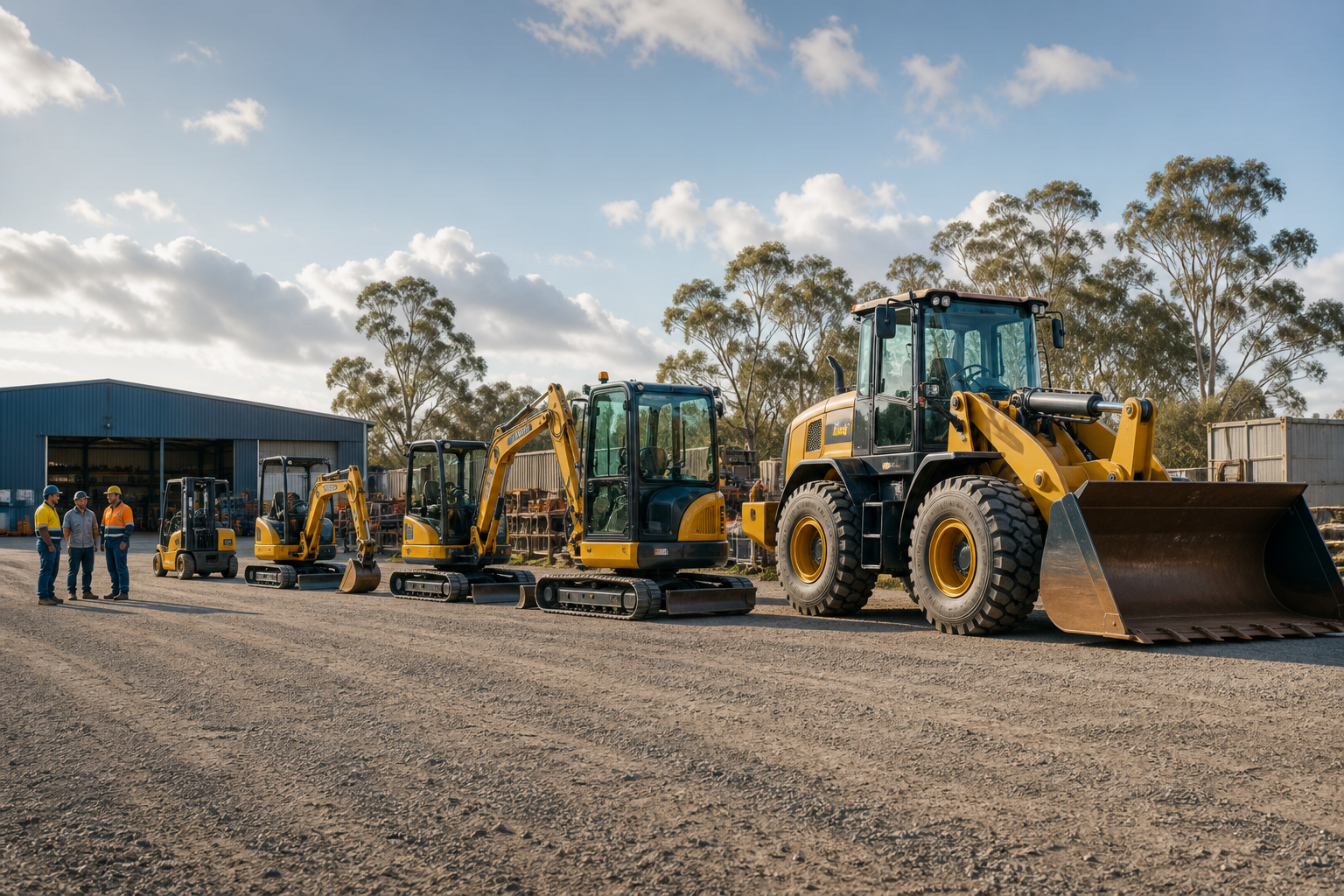
- You’re financing vehicles, yellow goods or high-quality machinery with strong resale markets.
- You expect to trade in or sell at year 4–5.
- You keep the balloon at or below a conservative resale estimate.
Combined with a clear upgrade plan, this can tie in neatly with strategies in Smart Ways To Upgrade Equipment Before Your Loan Finishes.
2. Your income is seasonal or project‑based
Lower base repayments may make sense if:
- Your work is lumpy (construction, agriculture, consulting), and
- You maintain cash buffers to handle the final payout.
You’re effectively trading a known future lump sum for smoother cashflow now.
3. You’re matching term to asset life
A balloon can stop you from stretching the term out beyond the realistic economic life of the gear.
Instead of:
- 7‑year term, no balloon, on a 5‑year asset (risky), you might choose
- 5‑year term with a 20–30% balloon aligned to resale value.
This respects the key principle from our broader equipment strategy work: don’t pay for assets long after they stop earning.
The strategy continues below
You've seen the problem and the groundwork — now unlock the exact steps our CPA-certified brokers use, including 4 more sections. Enter your email for instant, free full access.
Free access. No spam — unsubscribe anytime. Your details stay confidential.
Frequently asked questions
Are balloon payments on equipment finance tax-deductible in Australia?▾
What is a normal balloon percentage on an equipment loan?▾
Can I refinance the balloon payment when it’s due?▾
Is it better to choose a balloon or just a longer loan term?▾
Should new businesses use balloon payments to make equipment affordable?▾
Speak with a specialist advisor
Confidential consultation, bespoke advice for your situation.