Article
Decode Underquoting in Bronte: Turn Price Guides into Real Numbers
A practical Bronte-specific system to translate lowball price guides into realistic bidding limits, using real sales data, agent behaviour, and bank valuation logic you can apply this week.
Key Takeaway
Underquoting in Bronte typically means price guides sit around 10–20% below realistic selling levels once auction competition is factored in, so buyers must convert guides into decision-grade numbers. This article outlines a Bronte-specific method: anchor to recent comparable sales, adjust for property quirks, then overlay a 3–10% “auction heat” buffer grounded in bank valuation logic and APRA’s 3% serviceability buffer. Readers finish with a clear formula to set a safe maximum bid and know when to walk away.

Underquoting in Bronte usually means the price guide sits 10–20% below where a well‑run campaign actually lands, especially for renovated semis and ocean‑view apartments. To beat it, you need a system: treat the guide as a clue, not a promise, and use real sales, agent behaviour and bank‑style valuation logic to turn it into a realistic number you can bid this week.
In practice, that means three steps: 1) build your own value range from comparable sales, 2) overlay an “auction heat” loading, and 3) cross‑check it against what your bank will realistically support.
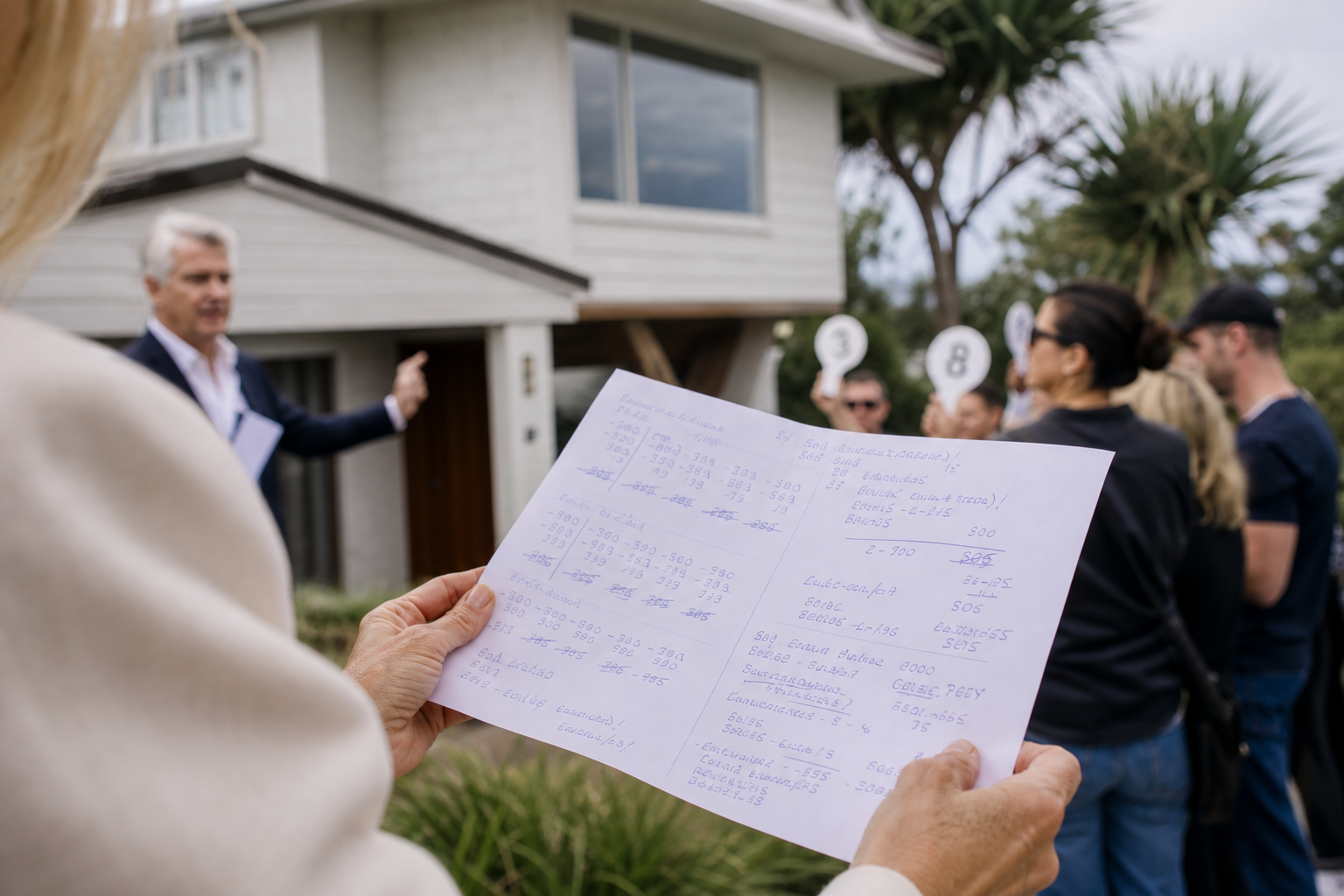
1. What underquoting in Bronte really looks like
Underquoting is when the advertised guide is materially below the vendor’s reasonable expectations. In Bronte, that gap often reflects both legal grey areas and genuine uncertainty in a thin, prestige‑leaning market.
Typical guide vs sale patterns
From recent campaign patterns our clients see in Bronte:
- Renovated semis west of the park: guides often 8–15% under final price.
- Ocean‑view two‑bed units: guides 10–20% under in strong weeks.
- Unrenovated stock on busy roads: guides can be close to reality, sometimes even above.
Here’s how those gaps often play out in dollar terms (illustrative only):
| Property type | Advertised guide | Likely sell range | Typical gap to guide |
|---|---|---|---|
| Renovated Bronte semi | $3.2m | $3.5m–$3.7m | ~10–15% |
| Ocean‑view 2‑bed apartment | $2.2m | $2.5m–$2.7m | ~12–20% |
| Older unit on busy road | $1.7m | $1.75m–$1.85m | ~3–8% |
These are not formal stats, but they’re consistent with what buyers are experiencing on the ground across recent campaigns.
Why Bronte guides skew low
A few local factors keep guides conservative:
- Thin stock and high emotional value skew auction results.
- Online estimates and suburb medians understate prestige pockets, as we also see in Double Bay and Bellevue Hill (/insights/double-bay-bellevue-hill-biggest-pricing-surprises-and-how-to-prepare).
- Rising construction costs (see recent ABS Producer Price Indexes) make well‑renovated properties more valuable than raw land plus renovation cost.
You can’t control that. You can control how you interpret the number.
2. Turning a Bronte price guide into a working value range
Forget the guide for a moment. Start with what a valuer would do: recent comparable sales, adjusted for size, quality and position.
Step 1: Build a comps list (30–60 minutes)
For each target property, pull 4–8 recent sales:
- Same micro‑pocket (street or immediate surrounds).
- Same dwelling type and orientation (semi vs freestanding, ocean vs park outlook).
- Sold in the last 3–6 months.
Note land size, internal area, bedrooms, condition, parking and views. Aim for a price‑per‑square‑metre band, not a single magic number.
Step 2: Adjust like a valuer
Create a simple table for your target property:
- Start with the closest comparable sale.
- Adjust up or down for key differences:
- +$150k–$300k for superior views on prime streets.
- −$100k–$200k for lower ground, no parking, or noisy location.
- +$200k–$400k for higher‑quality renovation in today’s high‑cost building environment.
You’ll end up with two numbers:
- Conservative value – where a cautious bank valuer might land.
- Optimistic value – where strong emotional bidding could go in a hot week.
Step 3: Overlay “auction heat”
Now bring the guide back in.
As a rule of thumb for Bronte:
- Guide within 5% of your conservative value → reasonably honest.
- Guide 10–15% below conservative value → assume strong competition or deliberate lowballing.
Add a competition buffer on top of your conservative value:
- Flat or softer week: +3–5%.
- Average market: +5–8%.
- Hot campaign (big crowds, many contracts out): +8–10%.
That becomes your likely selling range – still subject to your own budget ceiling.
The strategy continues below
You've seen the problem and the groundwork — now unlock the exact steps our CPA-certified brokers use, including 4 more sections. Enter your email for instant, free full access.
Free access. No spam — unsubscribe anytime. Your details stay confidential.
Frequently asked questions
How common is underquoting in Bronte?▾
How much above the guide should I expect to pay at a Bronte auction?▾
Can the agent’s price guide be used for my bank valuation?▾
What if my budget doesn’t match realistic Bronte prices?▾
Is making a pre-auction offer in Bronte a good idea?▾
Speak with a specialist advisor
Confidential consultation, bespoke advice for your situation.