Article
Financing Boutique Blocks vs Larger Complexes in Sydney’s Eastern Suburbs
How banks really treat small luxury strata blocks compared with larger complexes in the Eastern Suburbs, and what that means for your deposit, borrowing power and approval risk this week.
Key Takeaway
Lenders treat small luxury strata blocks in Sydney’s Eastern Suburbs as higher risk than comparable units in larger, proven complexes because of liquidity and valuation uncertainty, so maximum LVRs are often cut by 5–10 percentage points. APRA’s 3% serviceability buffer still applies, but the real constraint is building risk ratings and postcode overlays. Buyers should obtain a lender-and-building-specific pre-approval and model lower valuations, especially for boutique Double Bay and Rose Bay blocks, before committing to a contract.
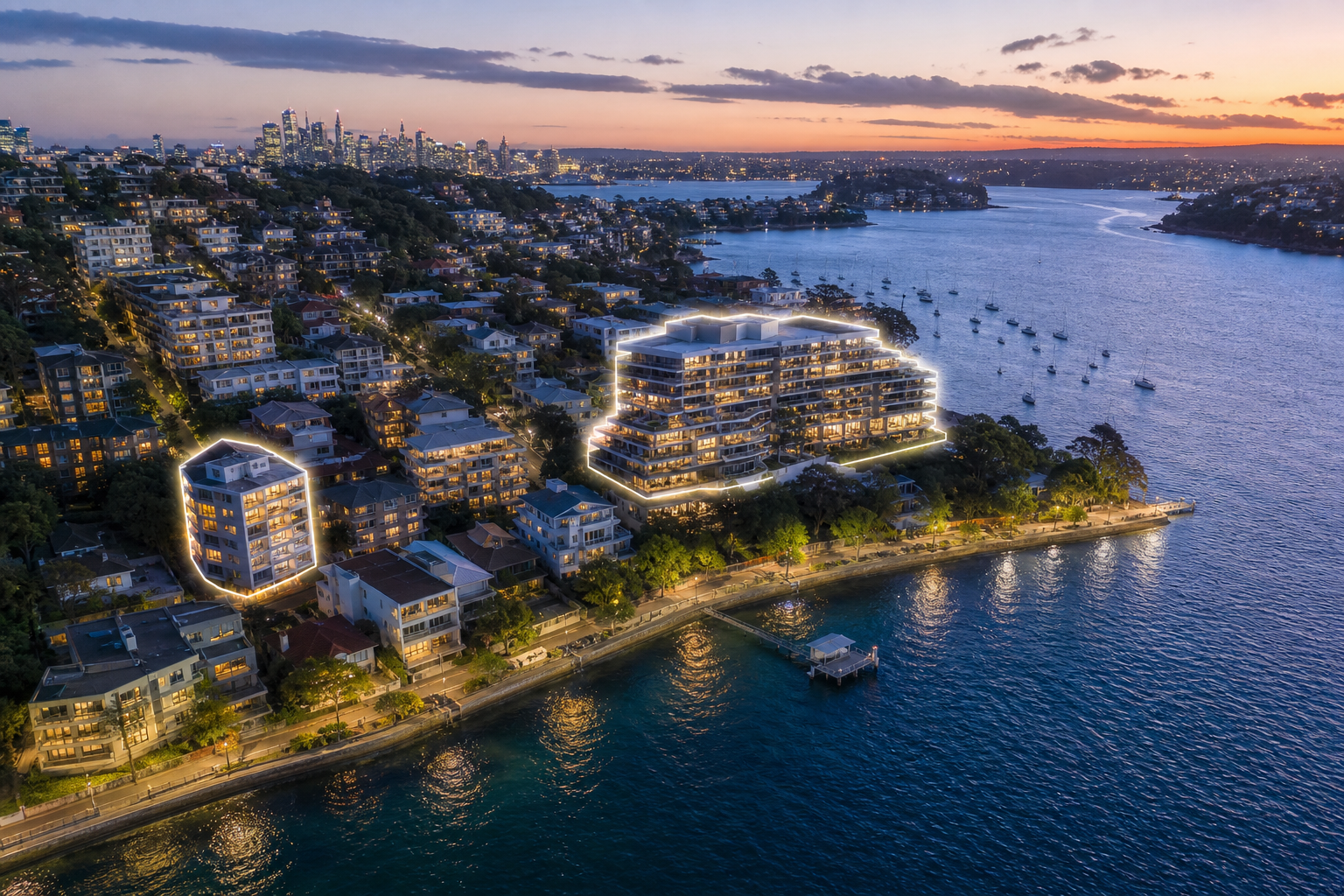
Buying in a small luxury block in Double Bay or Rose Bay is not the same, from a bank’s point of view, as buying in a larger complex down the road. Lenders often see boutique blocks as higher risk because they’re less liquid and harder to value, while very large complexes can be flagged for density and policy reasons. Your borrowing power, deposit and approval odds can shift quickly once a valuer sees the actual strata.
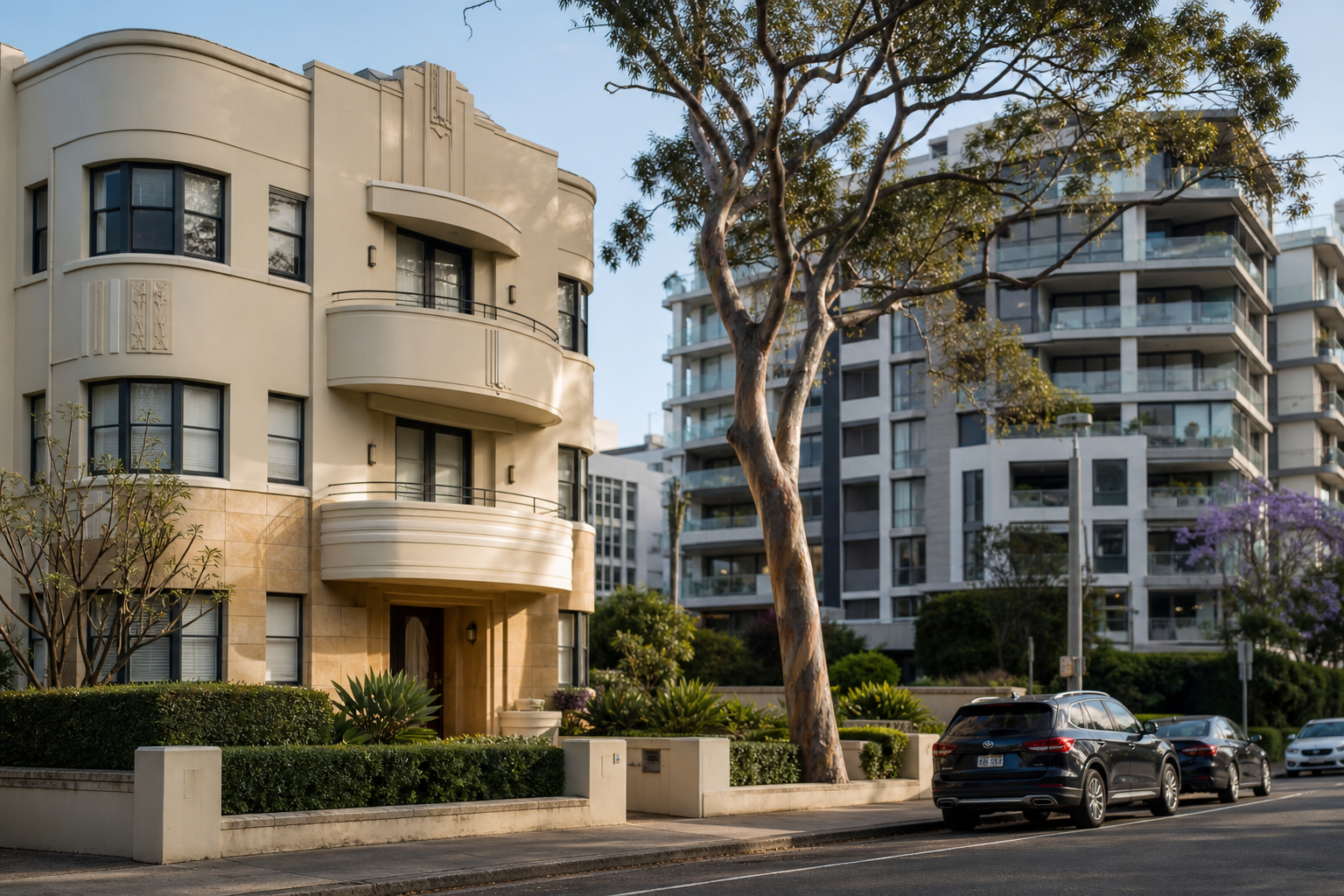
How lenders frame boutique vs large complexes
The core lending differences
Most mainstream banks use three lenses when comparing small luxury blocks and larger complexes in the Eastern Suburbs:
- Marketability (liquidity risk) – how easily could they sell your apartment if they had to take possession?
- Valuation confidence – how many comparable sales exist and how consistent are they?
- Policy overlays – building size, postcode risk lists and any internal blacklists.
In practice this often translates to lower maximum LVRs or tougher valuation assumptions for boutique blocks.
Typical lending settings (illustrative only)
| Feature / Risk Lens | Small luxury block (≤12 lots) | Larger complex (40–150 lots) |
|---|---|---|
| Valuation comfort | Fewer comparable sales, wider value range | Many comparables, tighter value range |
| Liquidity risk | Higher – niche buyer pool | Lower – broader buyer pool |
| Indicative max LVR (standard borrower)* | 70–80% often preferred | 80–90% more common |
| Policy flags | Small strata, boutique, prestige price band | High density, investor concentration, cladding |
| Likely valuer stance | Conservative on unique features, view, fitout | Closer to recent sales |
*Illustrative only – actual limits are lender and scenario specific.
For more on how building profile affects LVRs and minimum sizes, see /insights/high-density-small-studio-apartments-extra-lending-rules.
Why lenders are wary of small prestige strata
1. Liquidity and niche buyer pools
A three‑bedroom harbour‑view apartment in a 6‑pack block might be exactly what you want, but a lender asks: how many buyers would pay this price in a downturn?
Smaller luxury blocks in Double Bay, Rose Bay and Bellevue Hill tend to:
- Sit at the top of local price brackets.
- Have stronger reliance on high‑income professionals and downsizers.
- See more volatile prices when borrowing costs rise – as seen in recent RBA tightening cycles.
Roy Morgan data shows mortgage stress already rising nationally; that makes lenders even more cautious about reselling prestige stock if they ever have to take possession.
2. Valuation evidence is thin
Valuers must justify their figures using recent comparable sales. In a 60‑unit complex there may be multiple like‑for‑like sales in the last 12–18 months. In an 8‑unit art‑deco block, there might be none.
Result: valuers often shade boutique block values down relative to agent price guides to stay conservative. This alone can shrink your effective LVR.
3. Building-specific and postcode risk lists
Many lenders maintain internal building lists where they cap LVRs or decline deals on certain projects with:
- Known cladding or structural issues.
- Problematic commercial mix (restaurants, short‑stay concentration, serviced apartments).
- High investor ratios or poor resale history.
These lists are invisible to retail clients but very real. Postcode risk overlays also exist for premium Eastern Suburbs areas – see /insights/eastern-suburbs-postcode-risk-lists-where-banks-get-cautious for how they work.
Boutique blocks in blue‑chip pockets may be on tighter settings than larger, proven complexes just a few streets away.
The strategy continues below
You've seen the problem and the groundwork — now unlock the exact steps our CPA-certified brokers use, including 4 more sections. Enter your email for instant, free full access.
Free access. No spam — unsubscribe anytime. Your details stay confidential.
Frequently asked questions
Do banks prefer small luxury blocks or larger complexes in the Eastern Suburbs?▾
Will I always need a bigger deposit for a boutique block?▾
Are Eastern Suburbs postcode restrictions a deal breaker?▾
How do strata issues in a boutique block affect my loan?▾
Is refinancing a boutique block harder than buying one?▾
Speak with a specialist advisor
Confidential consultation, bespoke advice for your situation.