Article
Real local wins: boutique broking stories from Sydney’s East
Real‑world case studies of Eastern Suburbs home buyers, investors and business owners who used a boutique mortgage broker to solve tricky borrowing problems and get better, cleaner finance outcomes than going direct to a bank.
Key Takeaway
This article explains how a boutique mortgage broker can deliver better finance outcomes for Sydney’s Eastern Suburbs borrowers, using five realistic case studies across upgrades, self-employed purchases, downsizing, investing and business owners. It shows, for example, how a 0.5% rate difference on a $1.4m Bondi upgrade loan can change repayments by about $400 per month. Each case ends with a concrete action borrowers can take within a week to improve approval odds and loan structure.
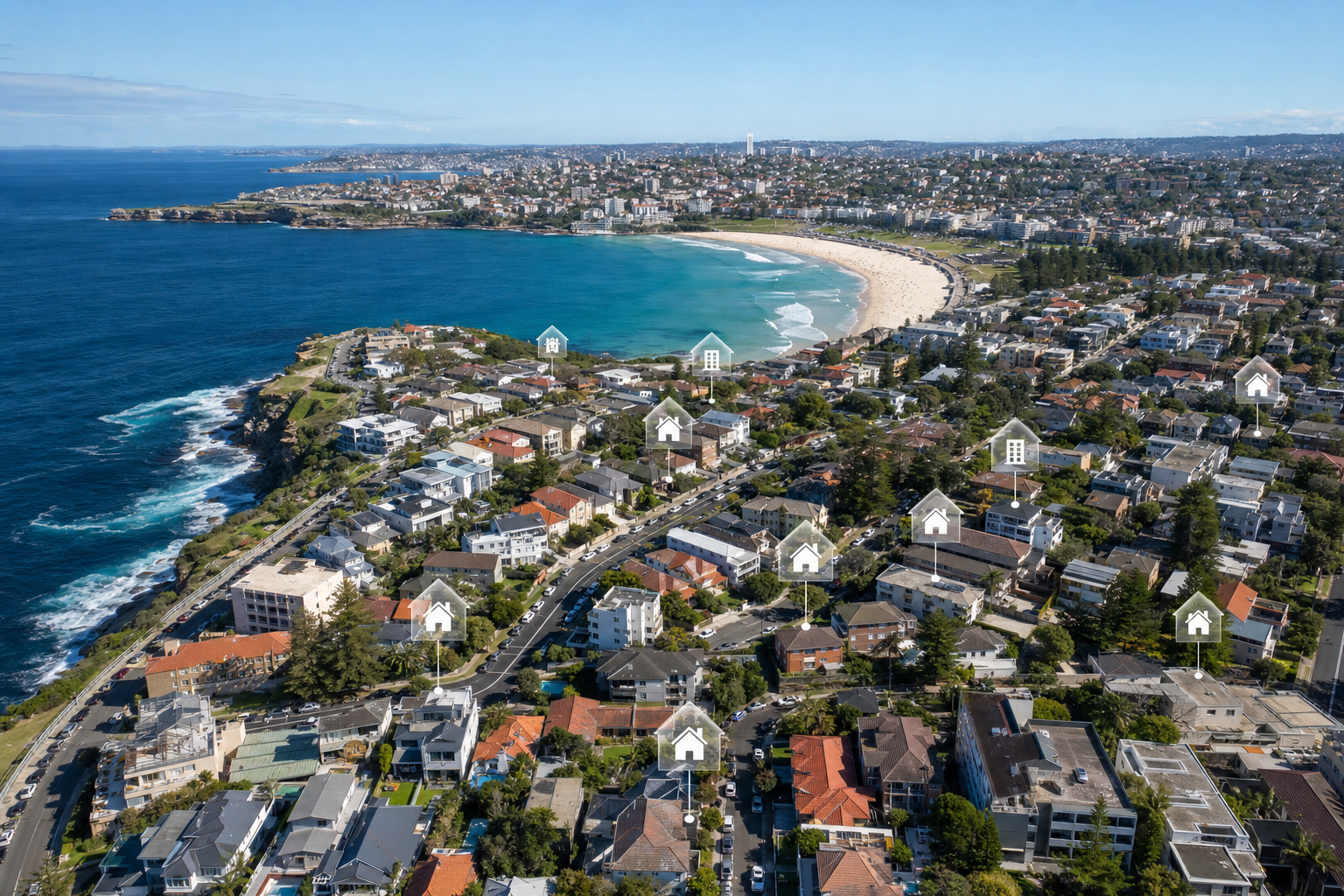
Real local wins: boutique broking stories from Sydney’s East
Boutique mortgage broking in Sydney’s Eastern Suburbs means tailored, local advice that solves real borrowing problems for busy people – not just finding the lowest advertised rate. This article walks through realistic case studies of Bondi, Randwick, Coogee and Rose Bay clients and shows how a good boutique broker turned a “too hard” bank answer into a workable, well‑structured solution.
In plain terms: a boutique Eastern Suburbs broker can increase your usable borrowing power, clean up your structure, and reduce stress by matching your real life to the right lender policy – especially if you’re self‑employed, upgrading, downsizing or juggling business finance.
Each case ends with a short “what you can copy this week” so you can turn stories into action.
How to read these Eastern Suburbs case studies
These are composite, de‑identified scenarios based on common patterns we see across Bondi, Randwick, Coogee, Paddington, Rose Bay and surrounds. Numbers are indicative only, but the strategies are very real.
Each case follows the same structure:
- Situation – where they live, what they wanted to do.
- Roadblock – what their bank or previous broker said.
- Boutique solution – what a specialist Eastern Suburbs broker changed.
- Result – the outcome.
- Your move this week – a concrete step you can take.
If you’re still deciding who to talk to – your bank, a big franchise or a local specialist – pair these stories with the decision guide in Should Eastern Suburbs borrowers use a boutique broker or a bank?.
Case 1: Bondi family upgrade – bank says no, broker finds a way
Situation: From Bondi apartment to family home
A professional couple in Bondi owned a 2‑bed apartment worth about $1.4m with a $650k home loan. With a second child on the way, they wanted to upgrade to a semi in nearby suburbs around $2.2m.
Combined PAYG income: around $380k. They had:
- $120k in savings
- $40k in credit card limits
- Existing P&I home loan at a competitive rate
On paper, plenty of income and equity – but prices in the East are unforgiving, and they needed to hold the apartment as an investment for at least a couple of years.
Roadblock: Bank assessment fails the APRA buffer
They went to their current bank for an upgrade loan. The bank assessed the new total debt (existing $650k + new ~$1.6m loan after 20% deposit) using:
- APRA’s minimum 3% serviceability buffer above the actual rate
- Only a small portion of proposed rental income from the Bondi unit
- Full credit card limits, not just actual balances
Result: servicing fell just short. The bank suggested:
- Selling the Bondi apartment, or
- Dropping their target purchase price by $300k–$400k
Neither aligned with their goals or local market reality.
Boutique broker solution: restructure + lender choice
A boutique broker based in the Eastern Suburbs looked at the full picture:
-
Trim unsecured debt
They cancelled one unused $20k credit card and reduced the other to $10k. That alone lifted borrowing capacity. -
Optimise loan terms within sensible bounds
They extended the new loan to a 30‑year term while keeping the existing loan’s remaining term. For their stage of life, this was reasonable and materially improved serviceability. -
Select a lender with stronger rental and bonus policy
Some mainstream lenders used only 70–75% of proposed rent and shaded bonuses heavily. A different lender in the broker’s panel used a higher proportion of rental income and more of their regular bonuses, within responsible lending rules. -
Fine‑tune structure
- Split the new loan into variable with offset (for flexibility) and a smaller fixed split for rate certainty.
- Pre‑approved an interest‑only period on the investment loan (Bondi unit) to keep cash flow manageable during childcare years.
Result: Pre‑approval secured, with a sharper rate
The couple obtained pre‑approval for a purchase up to $2.25m while keeping the Bondi apartment.
The boutique broker also negotiated a rate about 0.5% lower than their existing bank was offering on the new lending. On roughly a $1.6m, 30‑year P&I loan, that’s around $450 per month difference in repayments and more than $150k in interest over the life of the loan (illustrative only).
What you can copy this week
- List every credit card limit and personal loan; reduce or cancel what you don’t genuinely need.
- Get an assessment from a broker who can shop multiple lenders – not just your current bank.
See Why using a mortgage broker saves time, stress and money for how this process actually works.
Direct bank vs boutique outcome – a quick comparison
| Direct to existing bank | Boutique Eastern Suburbs broker | |
|---|---|---|
| Maximum purchase | ~$1.8m suggested | ~$2.25m pre‑approved |
| Keep Bondi unit? | Strongly discouraged | Allowed as investment |
| Rate on new lending | Standard package discount | Sharper negotiated discount |
| Structure | Single large variable loan | Investment + home splits with offset |
| Stress level | High – “computer says no” | Lower – clear plan and options |
 Self-employed professionals in Randwick often need their income translated into lender language. ### Situation: High income, messy paperwork A Randwick medical specialist ran her own practice through a company and trust. Taxable income on her personal return was around $190k, but total economic income (salary + distributions + retained profits) was much higher. She wanted to buy a $2m home near the hospital with a 20% deposit saved. Her existing bank saw fluctuating company profits, franking credits and a small ATO payment plan…
The strategy continues below
You've seen the problem and the groundwork — now unlock the exact steps our CPA-certified brokers use, including 7 more sections. Enter your email for instant, free full access.
Free access. No spam — unsubscribe anytime. Your details stay confidential.
Frequently asked questions
Do I really need a boutique broker if I’m just refinancing?▾
How early should I speak to a broker before upgrading or downsizing?▾
What if my bank has already said no – can another lender still approve me?▾
Are boutique mortgage brokers more expensive than big franchise brokers?▾
Will using a mortgage broker hurt my credit score?▾
Speak with a specialist advisor
Confidential consultation, bespoke advice for your situation.