Article
Bronte Property Red Flags Your Local Broker Sees Before The Bank
The biggest Bronte property traps rarely show in the glossy photos. Here are the local red flags a nearby broker watches for – often before the bank or valuer – so you can act this week with eyes open.
Key Takeaway
This article explains the key Bronte property red flags that a local mortgage broker will often identify before a bank or valuer, helping buyers avoid failed approvals and cash shortfalls. It highlights common issues such as major building defects, problematic strata, tight street-specific valuations, and duplex/extension planning risks. Drawing on Eastern Suburbs lending patterns, it shows how postcode and building-level risk can cut maximum LVRs and outlines practical checks buyers can complete within a week to protect their position.
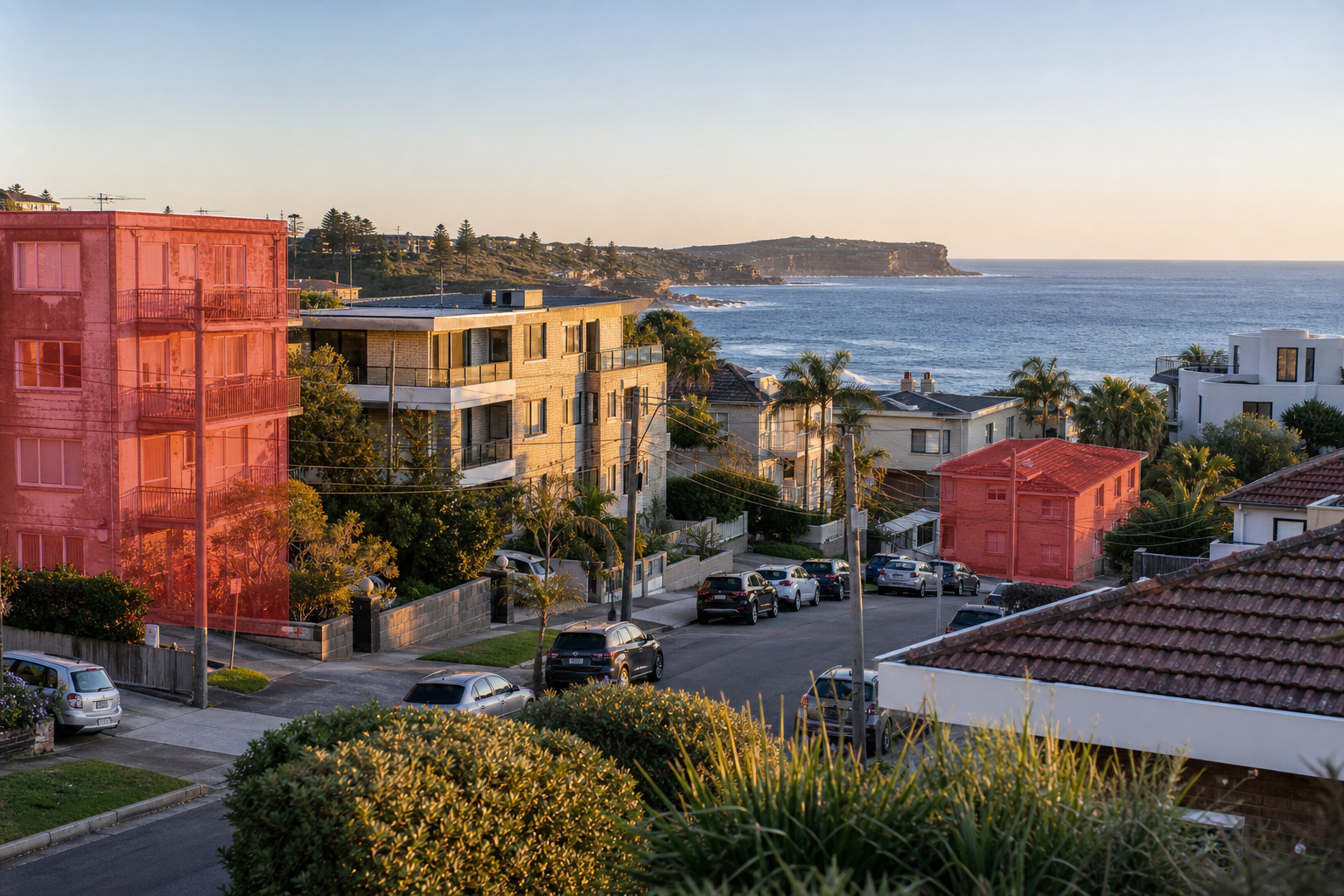
A good Bronte broker looks for property red flags before you order a valuation or sign a contract, because some buildings, streets and titles will quietly kill your borrowing power or force a bigger deposit.
They’re watching for three things: 1) buildings lenders dislike, 2) titles and strata that slow approvals, and 3) valuation traps that create last‑minute cash shortfalls.
Use this as a one‑week checklist before you bid at auction, go unconditional, or refinance.
1. Bronte building defects and construction risk
Bronte doesn’t have Mascot‑style headline defects, but Eastern Suburbs lenders are still sensitive to certain buildings and eras.
Your broker will quietly ask: “Has this block, builder or engineer ever been on a valuer or lender watchlist?”
1.1 Older walk‑ups and coastal wear
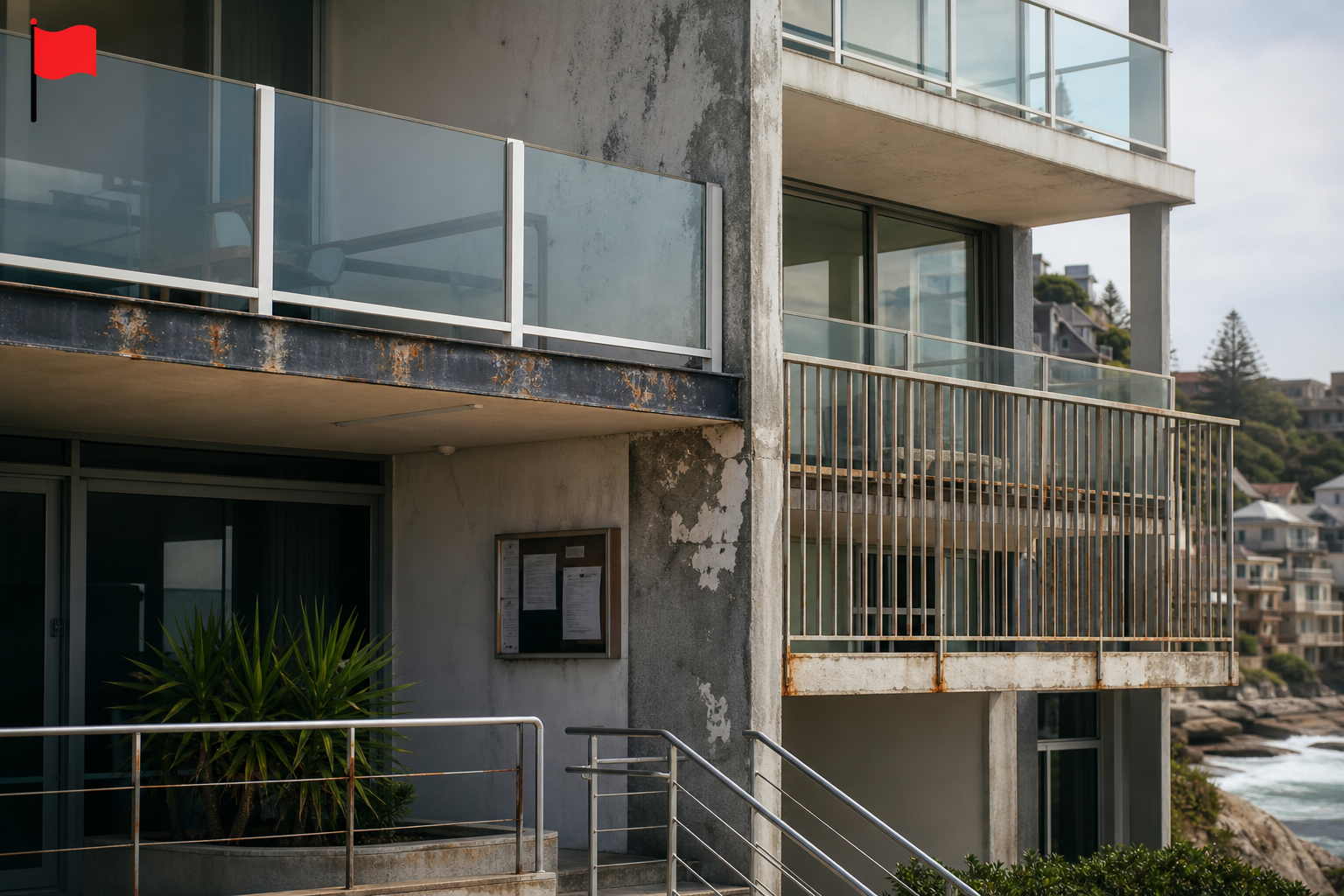
Plenty of Bronte’s 1960s–80s walk‑ups are structurally fine, but salt air, concrete cancer and old waterproofing can spook valuers.
Red flags:
- Large special levies for waterproofing, balconies or concrete spalling.
- Repeated roof or plumbing works in recent minutes.
- No recent capital works despite visible ageing.
Indicatively, if a valuer marks the property as higher‑risk, some lenders may cap LVR at 80% instead of 90%, adding $80k extra cash on a $1m purchase.
1.2 Newer builds and fire / waterproofing issues
Post‑2000 low‑rise and boutique developments in Bronte can still face:
- Cladding replacement programs.
- Fire compliance upgrades.
- Waterproofing and drainage disputes.
Lenders learned from Green Square and Mascot that building‑specific risk can trump borrower strength. As seen in Mascot, building history can matter as much as your income (/insights/mascot-broker-building-defects-valuer-issues).
What to do this week:
- Order the strata report before bidding, not after.
- Ask your broker to sanity‑check any major defects or levies with likely lender reactions.
- If issues exist, target lenders that are still comfortable at your desired LVR – don’t assume all banks see it the same way.
The strategy continues below
You've seen the problem and the groundwork — now unlock the exact steps our CPA-certified brokers use, including 5 more sections. Enter your email for instant, free full access.
Free access. No spam — unsubscribe anytime. Your details stay confidential.
Frequently asked questions
What’s the biggest Bronte red flag that kills loans late?▾
Do all banks treat the same Bronte building the same way?▾
Can I ignore red flags if I plan to hold long term?▾
Speak with a specialist advisor
Confidential consultation, bespoke advice for your situation.