Article
Buying into a Dover Heights boutique block without nasty loan surprises
Thinking about a luxury boutique block near Dover Heights? Here’s the quick, decision‑grade rundown on how banks view small prestige blocks, what to look for in the strata report, and how to keep your borrowing structure safe this week.
Key Takeaway
Buying into a luxury boutique block near Dover Heights requires checking both lending rules and strata quality, because banks may cap LVRs on small prestige blocks and scrutinise owner‑occupier ratios, short‑term letting and building defects. For example, some lenders tighten terms once investor ratios exceed about 40–50%. Buyers should order an independent strata report, confirm sinking fund health and building compliance, and structure loans conservatively with cash buffers so they can act safely in a high‑value Eastern Suburbs market.
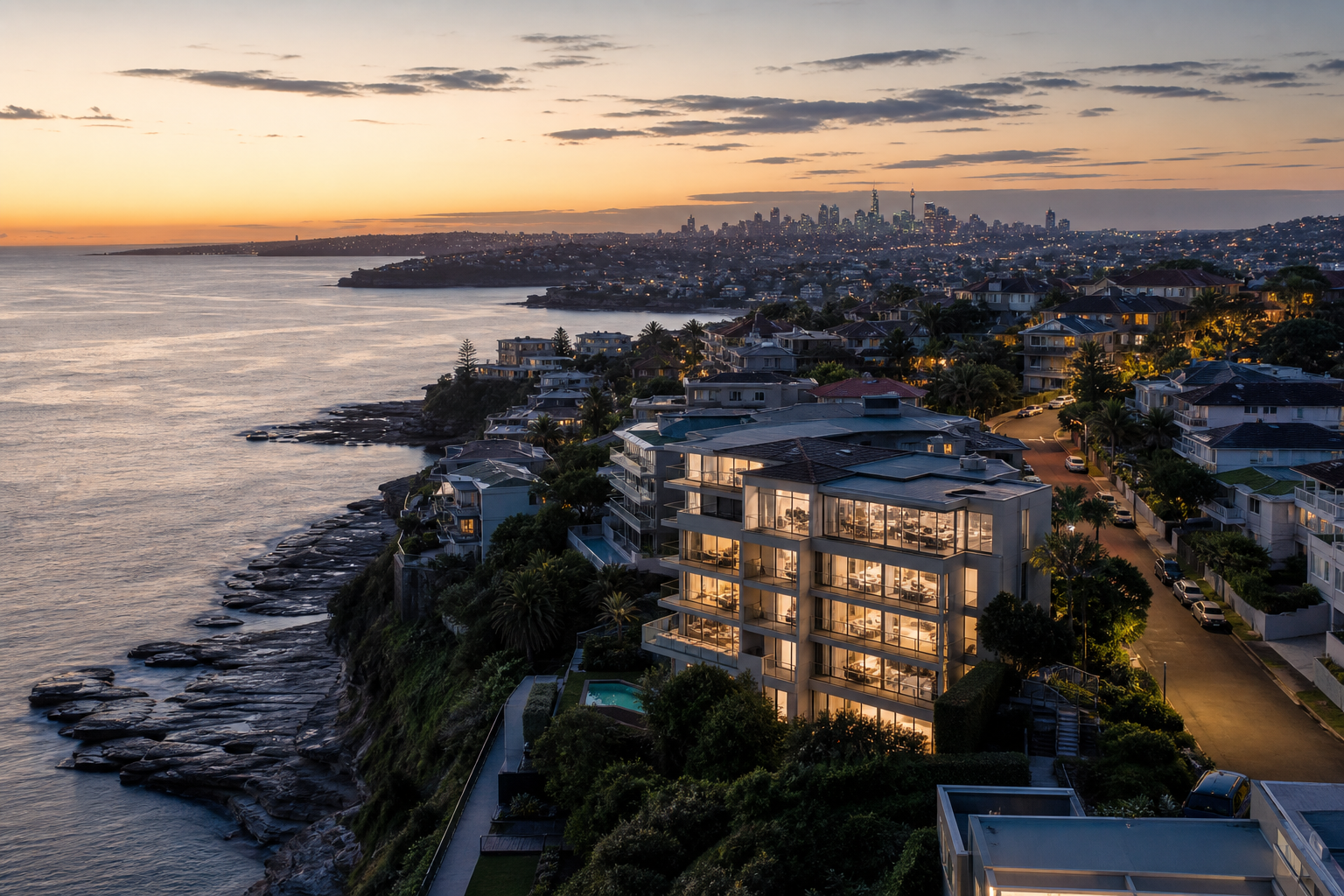
Buying into a small luxury block near Dover Heights is usually financeable, but banks treat boutique blocks as higher‑scrutiny security: they may cap your LVR, question resale risk and dig hard into the strata report before approving a multi‑million loan.
If you’re bidding this week, your job is to prove three things quickly: (1) the building is solid, (2) the strata is well‑run and (3) the unit will be liquid in a downturn, not just in a hot Dover Heights market.
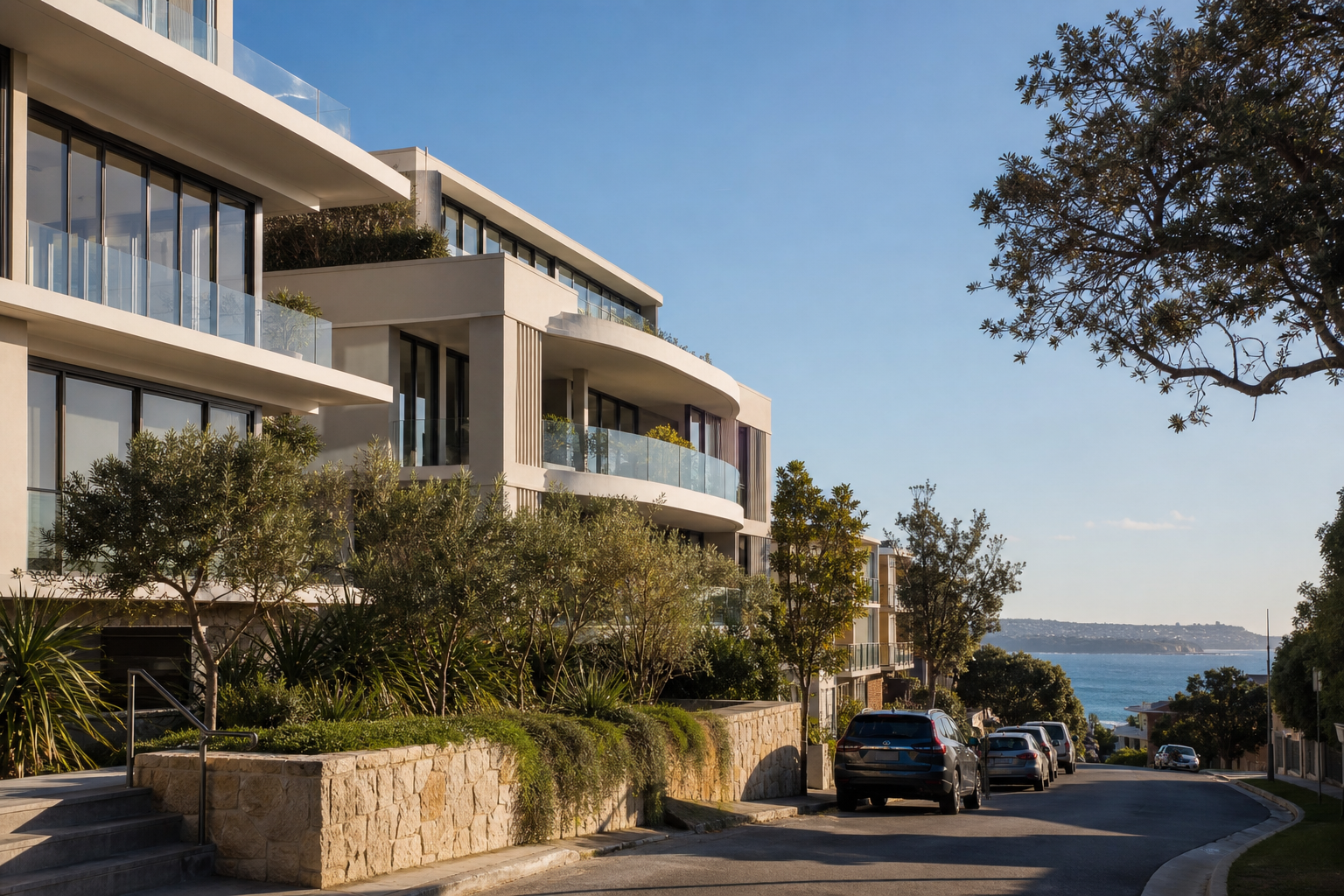
How banks actually see small luxury blocks in the Eastern Suburbs
Banks don’t hate boutique blocks; they just hate surprises.
Compared with large high‑rise, a 6–12‑unit block in Dover Heights or neighbouring suburbs often scores better on build quality and community, but worse on liquidity if something goes wrong.
Key lending angles:
-
LVR caps
On a standard unit, lenders might go to 80–90% LVR (with LMI above 80%).
On a small prestige block, some quietly keep you to 70–80% to protect against down‑valuations and slower resale. -
Valuation risk
Valuers look hard at recent comparable sales. In a tightly held boutique block, there may be only one or two actual sales in five years.
That can mean a conservative valuation, even if the auction guide is bullish. -
‘Specialised security’ flags
A very high price per square metre, unusual design, or ultra‑small block (4–5 lots) can see your apartment classed as ‘specialised’.
Result: tighter LVR, more questions, slower credit sign‑off.
If you’re choosing between a high‑rise penthouse and a 10‑lot boutique block, see the broader comparison in /insights/boutique-block-vs-high-rise-lending-risk.
Quick worked example
Say you’re eyeing a $3.2m luxury apartment with sweeping harbour views.
- Standard policy might suggest 80% LVR → $2.56m loan, $640k cash / equity.
- Valuer is cautious, comes in at $3.0m and lender caps LVR at 75%.
- Max loan becomes $2.25m → you now need $950k total cash/equity (plus stamps).
If you haven’t modelled that scenario before bidding, you can end up scrambling or walking away post‑auction.
The strategy continues below
You've seen the problem and the groundwork — now unlock the exact steps our CPA-certified brokers use, including 4 more sections. Enter your email for instant, free full access.
Free access. No spam — unsubscribe anytime. Your details stay confidential.
Frequently asked questions
Are boutique blocks near Dover Heights harder to get a loan for?▾
What should I focus on in the strata report for a luxury apartment?▾
How much buffer should I keep after buying a prestige apartment?▾
Speak with a specialist advisor
Confidential consultation, bespoke advice for your situation.