Article
Buying Near The Bronte Cliffs: How Banks See Coastal Risk
Thinking of buying or refinancing near the Bronte coastline? Here’s how banks assess erosion, cliff and storm risk, how it affects your borrowing and valuation, and what to check this week before you bid or apply.
Key Takeaway
Banks will lend on coastal and cliffside property in Bronte, but they closely assess erosion, storm, access and insurability risk before approving a mortgage. Lenders may reduce maximum LVRs from 90–95% down to 70–80% for exposed sites, and valuation comments can override even strong incomes. Borrowers should review Waverley Council hazard maps, obtain indicative insurance quotes, and build 6–12 months of cash buffers to improve approval odds and avoid overpaying for high‑risk locations.
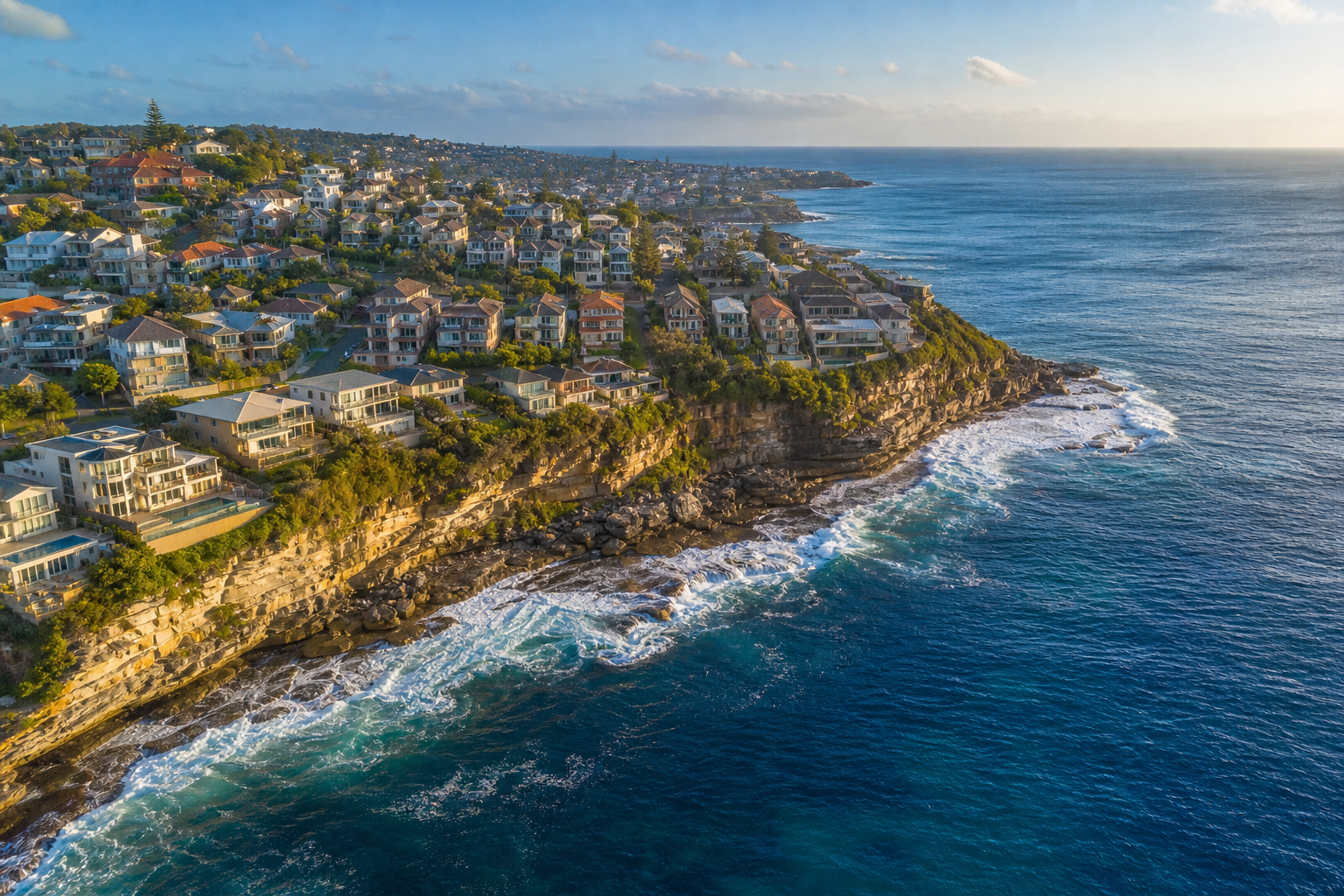
Banks will lend against many Bronte coastal and cliffside properties, but they look hard at erosion, storm and access risk before they say yes. If valuers flag high hazard or limited resale demand, your maximum LVR can drop from 90–95% to 70–80%, or the loan can be declined even with strong income.
In practice, that means you must check the risk yourself before bidding or refinancing, not after.
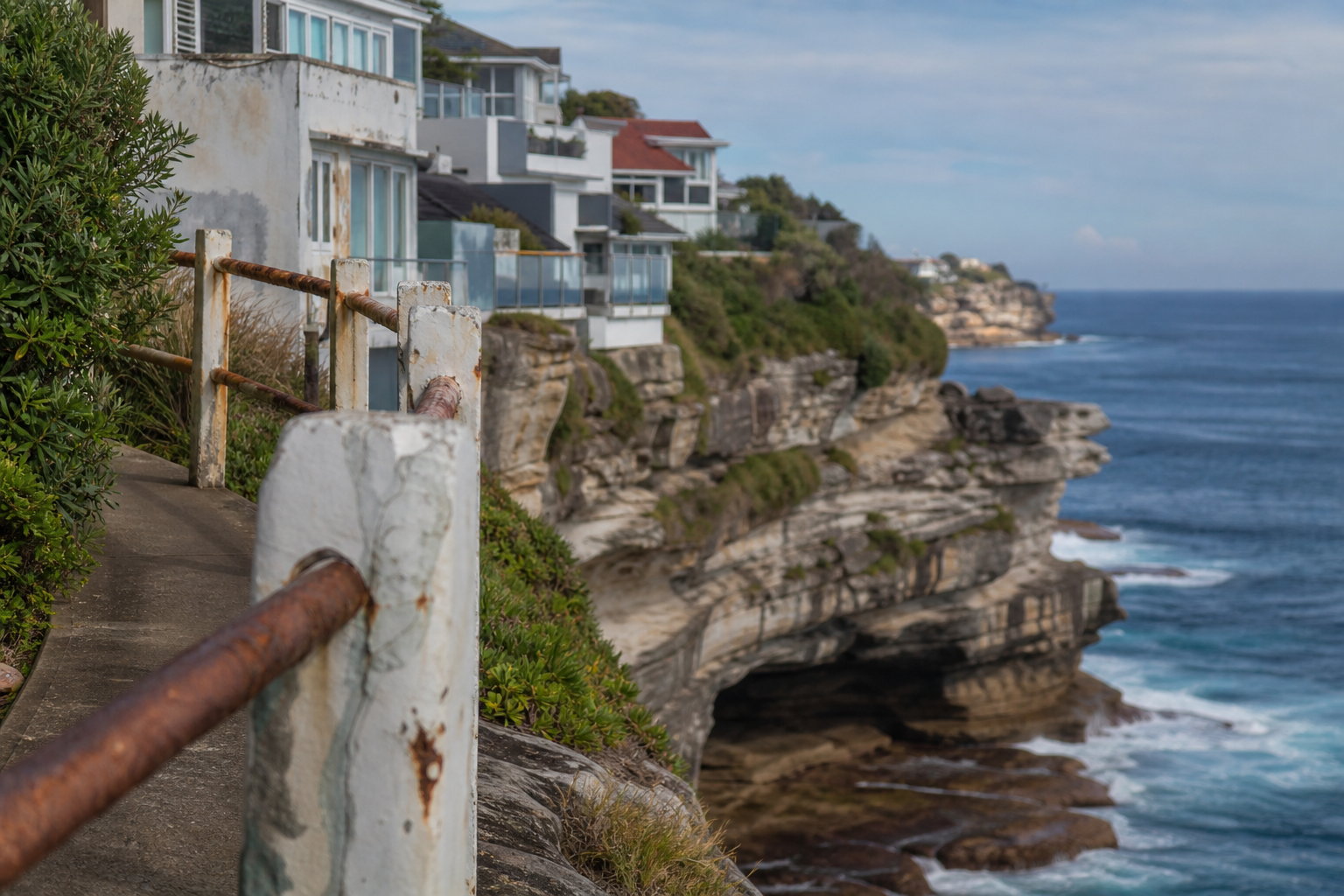
How banks think about Bronte coastal and cliff risk
From a lender’s point of view, Bronte’s cliffs and beachfront are beautiful collateral until they’re hard to insure or hard to sell. They care about three things:
- Will this property still be there and usable in 20–30 years?
- Can a typical buyer insure it at a reasonable cost?
- Is there a deep resale market if they ever have to sell it?
To answer that, credit teams lean heavily on the valuer’s comments and local planning data, not just the purchase price.
Common lender red flags:
- Very close to an eroding cliff or escarpment
- In a mapped coastal hazard or landslip zone
- Limited vehicle access for emergency services
- Heavy reliance on expensive, specialist insurance
If two or more show up, expect tougher terms.
The strategy continues below
You've seen the problem and the groundwork — now unlock the exact steps our CPA-certified brokers use, including 4 more sections. Enter your email for instant, free full access.
Free access. No spam — unsubscribe anytime. Your details stay confidential.
Frequently asked questions
Do banks lend on properties right on the Bronte cliff edge?▾
Will a coastal hazard notation on the title stop loan approval?▾
Is paying extra for a safer, set‑back Bronte property worth it?▾
Speak with a specialist advisor
Confidential consultation, bespoke advice for your situation.