Article
Dealer Finance or Independent Broker: How To Arrange Equipment Loans
Trying to decide between dealer finance and an independent broker for your next equipment loan? This guide shows how each works, common traps, and a simple week-long plan to compare them properly.
Key Takeaway
This guide explains when to use car or equipment dealer finance versus an independent asset finance broker, noting that dealer offers can be 1–3 percentage points higher than comparable broker-arranged loans over 3–7 years. It compares speed, flexibility, total cost, and negotiation power, and outlines a one-week action plan to collect quotes, pressure-test terms, and align the loan with tax and cashflow. Readers learn to insist on written offers and compare like-for-like before signing.
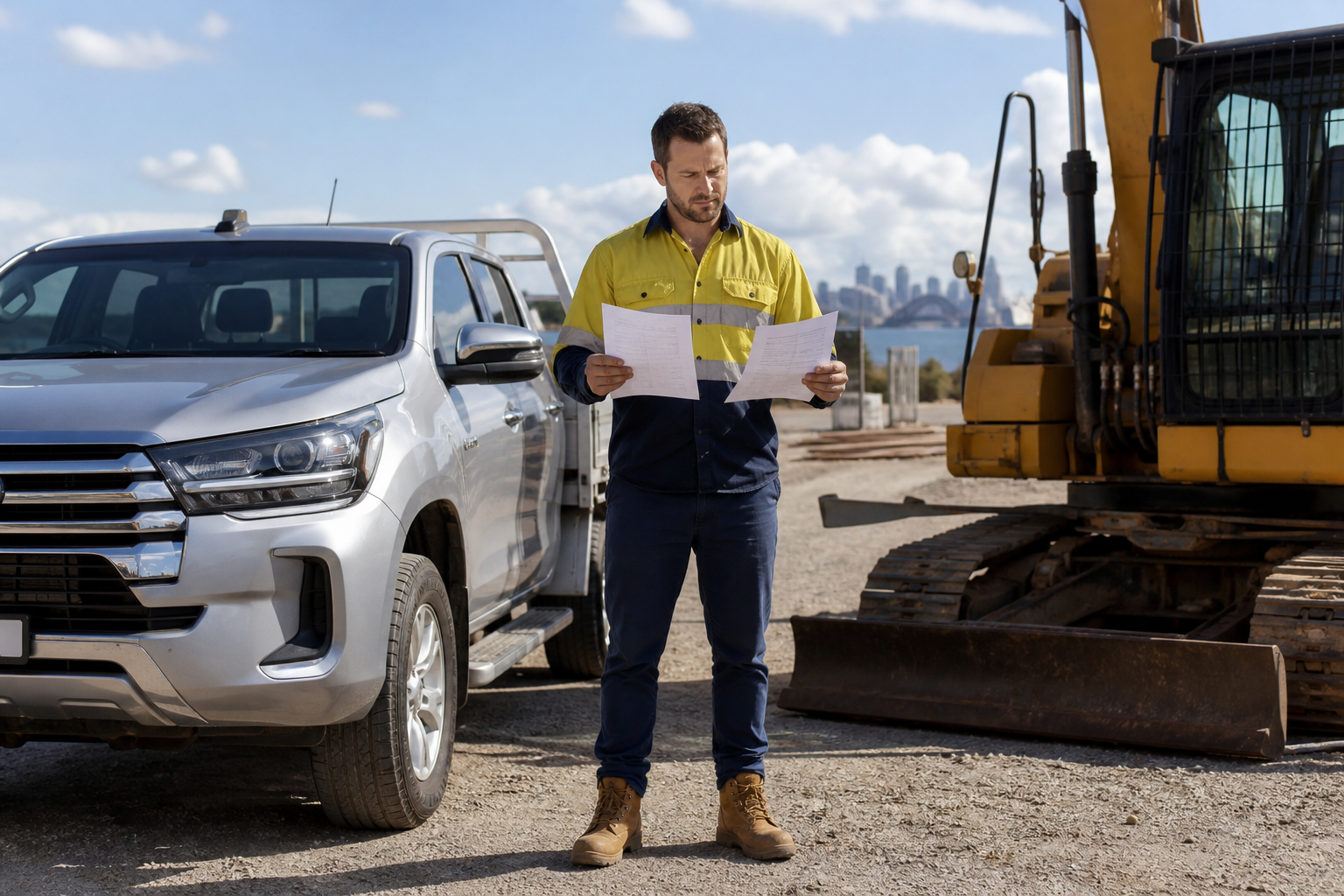
If you’re buying a vehicle, machine or fit‑out, you’ll often be offered “easy” dealer finance on the spot. An independent broker will tell you to slow down and compare. The core difference: dealer finance is usually tied to one lender with the dealer paid by the finance provider, while an independent asset finance broker canvasses multiple lenders and structures the loan around your business, tax and cashflow.
Choosing well can save thousands over a 3–7 year term and protect your home and borrowing power. This guide walks through how each option really works, typical traps, and a simple one‑week plan you can act on before you sign a finance contract.

1. How dealer finance and independent brokers actually work
1.1 What is dealer equipment finance?
Dealer finance is funding arranged by the equipment or vehicle vendor through their panel lender or captive finance arm. You sign the finance documents at the dealership or vendor’s office, often on the same day as the sales order.
Common examples:
- Car yards arranging chattel mortgages or leases on utes and vans.
- Machinery vendors providing “0% finance” on excavators or CNC machines.
- Medical suppliers bundling finance into a package for chairs, scanners or IT.
The dealer is usually paid a commission or interest rate margin by the lender. Your relationship is with the lender, not the dealer, once the loan is in place.
1.2 What is an independent asset finance broker?
An independent broker works for you, not the vendor or a single lender. They assess your business, then source quotes and structures from multiple banks and non‑bank lenders.
A good broker:
- Matches term to the asset’s life (for most equipment, 3–7 years – consistent with Fact 2 and 3 in our hub).
- Considers tax outcomes and ownership (chattel mortgage vs lease vs hire purchase).
- Coordinates timing with your cashflow and any other loans.
They’re typically paid by the lender, but their reputation depends on getting you a good, sustainable deal.
1.3 When both options look “the same” but aren’t
On the surface, both can offer:
- 100% finance including GST.
- Similar terms (e.g. 5 years with a balloon).
- Fast approvals.
The differences are usually in:
- Pricing detail (base rate, fees, dealer margin).
- Flexibility on early payout, extra repayments or restructures.
- How well the loan fits your broader finance and tax picture.
2. Dealer vs broker: comparing the big trade‑offs
Here’s a practical side‑by‑side comparison to help you see where each shines and where to be cautious.
2.1 Core comparison table
| Factor | Dealer finance | Independent broker |
|---|---|---|
| Speed at point of sale | Very fast – often same‑day | Fast once docs ready – usually 24–72 hours |
| Lender choice | Usually 1–2 preferred lenders | Panel of banks + specialist non‑banks |
| Pricing transparency | Can bundle rate into “deal”; rebates/discounts opaque | Written comparisons and fee breakdown more typical |
| Negotiation leverage | Dealer controls both price and finance | Broker can separate price negotiation from finance |
| Structure flexibility | Limited set of products | Wider choice (chattel, lease, hire purchase, unsecured) |
| Early payout / extra payments | Often more restrictive, higher break costs | Wider range – some flexible, some not |
| Fit with tax planning | Rarely tailored; vendor focuses on sale | Broker can work with accountant on tax‑aligned structure |
| Support if issues arise | Dealer steps back after settlement | Broker can negotiate with lender over life of loan |
2.2 Worked example: why 1% on rate matters
Assume:
- $80,000 ute for your plumbing business.
- 5‑year term, no balloon.
- Monthly principal and interest.
Indicative repayments (not a quote):
- At 8.0% p.a. ≈ $1,625 per month, total paid ≈ $97,500.
- At 9.0% p.a. ≈ $1,660 per month, total paid ≈ $99,600.
That “only 1%” difference is about $2,100 extra over five years. If the dealer has also padded the vehicle price by $2,000 compared with a fleet discount you could have negotiated separately, you’re now paying $4,000+ for convenience.
3. When dealer finance can make sense
Dealer finance is not automatically bad. There are cases where it can be the right move – as long as you’ve checked it against alternatives.
3.1 You need the asset urgently
If a critical machine has died or you’ve landed a contract that starts next week, speed is king.
Dealer finance can make sense when:
- Downtime costs more than any extra interest.
- The asset is standard (e.g. new ute, common excavator).
- You’ve confirmed the rate and fees are at least in the ballpark of broker options.
You can still refinance later if your business profile improves, but be mindful not to extend terms beyond the remaining useful life of the asset (see Fact 17 on consolidation).
3.2 The dealer subsidy is genuinely sharp
Some manufacturers or vendors subsidise finance – for example, 1.9% p.a. on new tractors or 0% for 36 months on specific models.
Watch for:
- Whether there is a cash discount alternative. If you pay cash or use external finance, is the asset price lower?
- Fees and balloons. A low advertised rate can be offset by high establishment fees or an oversized balloon.
Ask the dealer for two written quotes:
- Lowest cash price (no finance).
- Finance price including all fees and balloon.
Then let a broker price the same deal externally so you can compare total cost.
3.3 Your situation is very clean and simple
Dealer finance works best when:
- Your business is established, profitable, and clean (no ATO debt, good conduct).
- You’re buying a vanilla asset with strong resale value.
- You’re comfortable with a straightforward chattel mortgage and don’t need anything more sophisticated.
Even then, a 10–15 minute broker call will usually confirm whether the dealer offer is fair or padded.

The strategy continues below
You've seen the problem and the groundwork — now unlock the exact steps our CPA-certified brokers use, including 7 more sections. Enter your email for instant, free full access.
Free access. No spam — unsubscribe anytime. Your details stay confidential.
Frequently asked questions
Is dealer finance more expensive than using a broker?▾
Will using a broker slow down my equipment purchase?▾
Can I still use dealer finance if I’ve had a credit blip or ATO debt?▾
Is it bad to roll equipment costs into my home loan instead?▾
Can I refinance dealer finance later if I find a better deal?▾
Who pays the broker – will it cost me extra?▾
Speak with a specialist advisor
Confidential consultation, bespoke advice for your situation.