Article
How Dover Heights Downsizers Freed Equity Without Leaving the Neighbourhood
A Dover Heights couple sold the family home, bought a nearby apartment and restructured loans to unlock equity, cut risk and stay local. Here’s how the numbers and decisions worked, and the guardrails you can copy this week.
Key Takeaway
This article explains how a Dover Heights couple downsized locally, freeing about $1.1m in net equity while cutting mortgage risk by moving from a $3.4m house to a $2.2m apartment. It outlines their before-and-after balance sheet, 3–6 month cash buffer target, and how they split surplus funds between super, investments and offset. The case provides a repeatable, numbers-first process Dover Heights downsizers can use to unlock equity without leaving the area.

A Dover Heights couple in their late 60s sold their family home, bought a modern apartment nearby and freed over $1m of equity, while cutting their risk and staying close to friends and family. This case study shows their numbers, decisions and guardrails so you can sanity‑check your own downsizing plan this week.
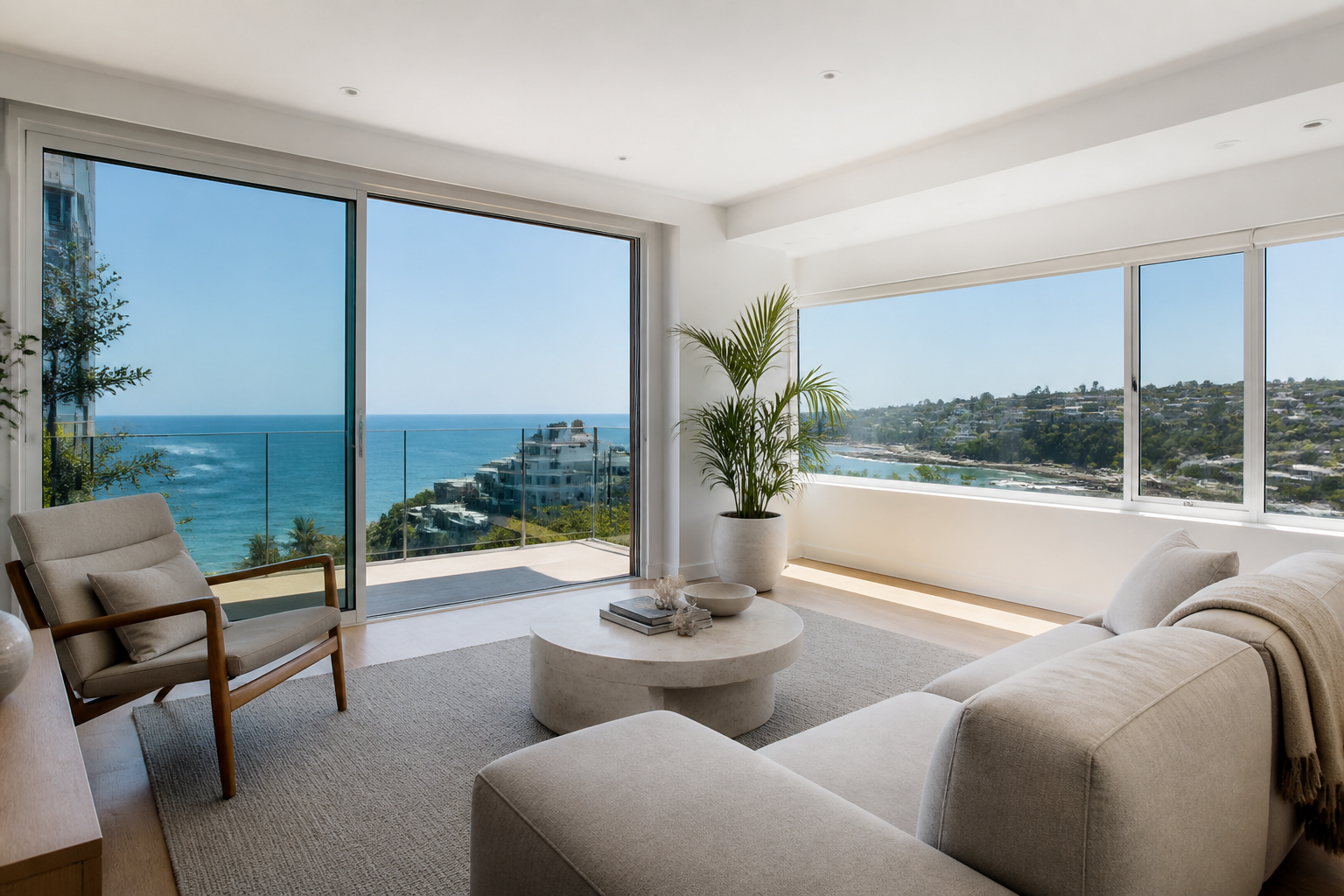
1. The starting point: asset‑rich, cash‑tight
Profile (before):
- House in Dover Heights, estimated value: $3.4m
- Remaining home loan: $420k (P&I, 24 years remaining)
- Super between them: $780k
- Savings: $60k
- Age pension: part‑pension plus small consulting income
Like many Eastern Suburbs retirees, they were:
- House‑rich and cash‑poor.
- Concerned about rising rates and living costs.
- Keen to stay in Dover Heights or very close by.
ABS living cost data shows housing and insurance are big drivers of rising expenses for retirees, and Roy Morgan estimates over 30% of mortgage holders are at risk of stress when repayments eat too much of take‑home income.
They could feel that risk creeping up.
2. Their goal: stay local, cut risk, free cashflow
We clarified three non‑negotiables:
- Stay local – walking distance to shops, transport and some sea views.
- No new long, heavy mortgage – retirement should not hinge on rate movements.
- Build a 6–12 month cash/offset buffer for living costs and any remaining loans, consistent with our Eastern Suburbs downsizer guideline (Fact #2, #8).
They also wanted optional capacity to help a grandchild with future housing, but without putting their retirement at risk (linked to the approach in /insights/helping-children-grandchildren-dover-heights-equity-without-risk).
3. The downsizing move: sale, purchase and freed equity
After looking at reverse mortgage and line‑of‑credit options (see also /insights/reverse-mortgage-line-of-credit-downsizing-eastern-suburbs), they still preferred a cleaner downsizing move.
Step 1 – Sell the house
- Sale price: $3.45m (CGT‑free main residence)
- Less selling costs (agents, styling, legals ~2.2%): -$76k
- Less existing loan payout: -$420k
Net sale proceeds: about $2.95m.
Step 2 – Buy a nearby apartment
They chose a modern, lift‑access 3‑bedroom apartment in Dover Heights:
- Purchase price: $2.2m
- Stamp duty (downsizer, NSW): approx. $110k
- Legal and other costs: $10k
Total purchase outlay: about $2.32m.
Step 3 – What’s left over?
Net proceeds $2.95m – $2.32m costs = $630k surplus cash.
Add existing savings $60k → total liquid funds $690k.
The strategy continues below
You've seen the problem and the groundwork — now unlock the exact steps our CPA-certified brokers use, including 5 more sections. Enter your email for instant, free full access.
Free access. No spam — unsubscribe anytime. Your details stay confidential.
Frequently asked questions
Is it always better to be debt-free after downsizing?▾
How much equity should I hold as cash instead of investing?▾
Should I downsize before or after fully retiring?▾
Speak with a specialist advisor
Confidential consultation, bespoke advice for your situation.