Article
Financing Medical, Dental and Allied Health Equipment Without Derailing Cashflow
A decision‑grade guide to funding medical, dental and allied health equipment in Australia. Understand loan types, tax angles, lender rules and how to protect your home while growing your practice.
Key Takeaway
Australian medical, dental and allied health practices typically finance equipment using chattel mortgages or leases over 3–7 years, with the equipment itself as security and potential 100% funding for standard assets. Lenders assess serviceability on business cashflow, not just turnover, and usually want the total asset age within 5–10 years by term end. The most effective strategy is to match loan term to asset life, ring‑fence business debt from the home, and choose the structure that best fits your tax position and cashflow priorities.
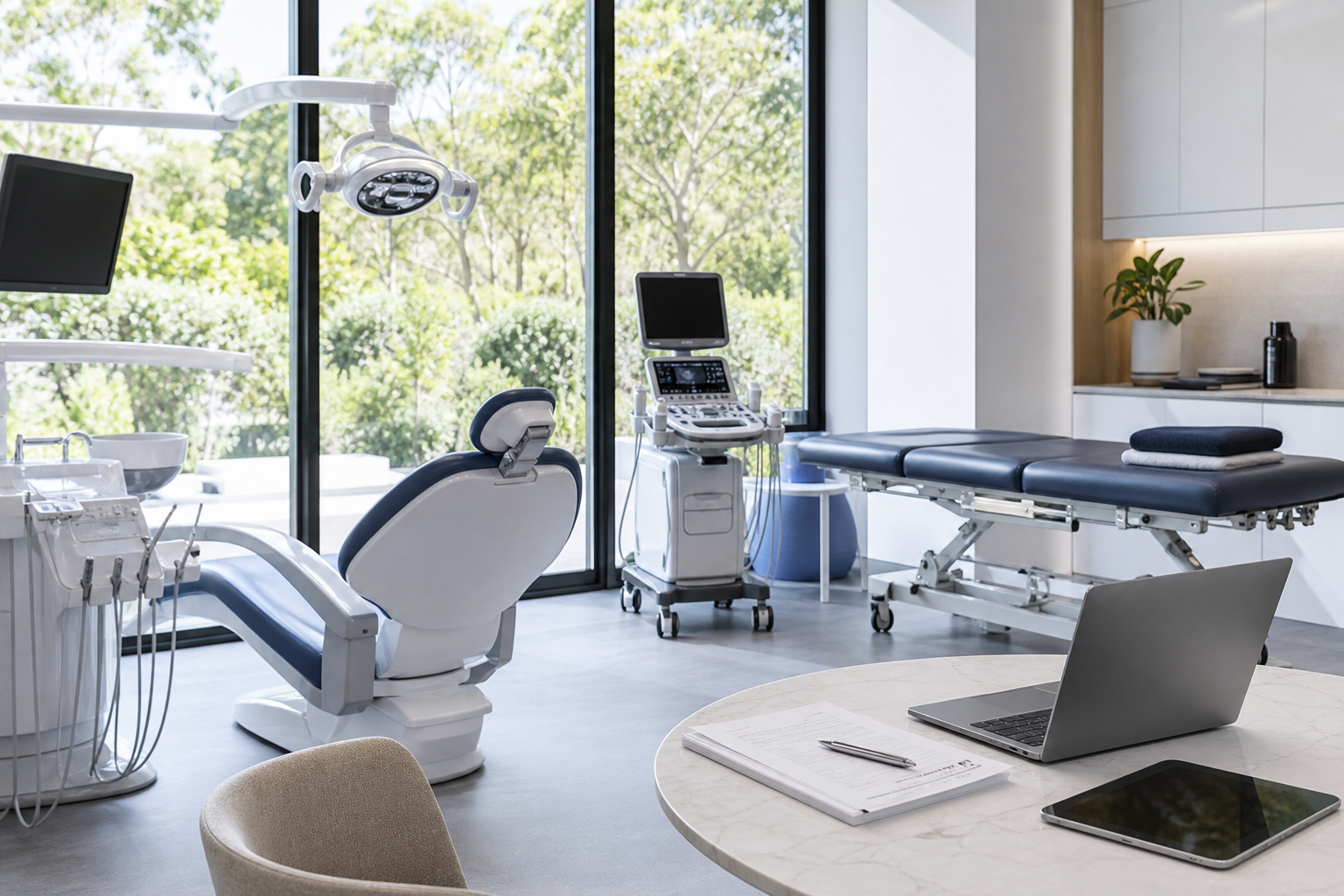
If you run a medical, dental or allied health practice, equipment is your engine room. The core question is how to fund expensive chairs, imaging, lasers or rehab gear without wrecking cashflow or putting your home on the line. In Australia, the main options are dedicated equipment finance (like chattel mortgages and leases), unsecured loans and – with care – using existing equity.
In this guide, we’ll walk through how equipment finance works specifically for health professionals, what lenders look for, tax angles, and how to choose the right structure this week. You’ll see worked numbers and a practical one‑week action plan, so you can move from wish‑list to order form with confidence.
1. The big picture: how health equipment finance actually works
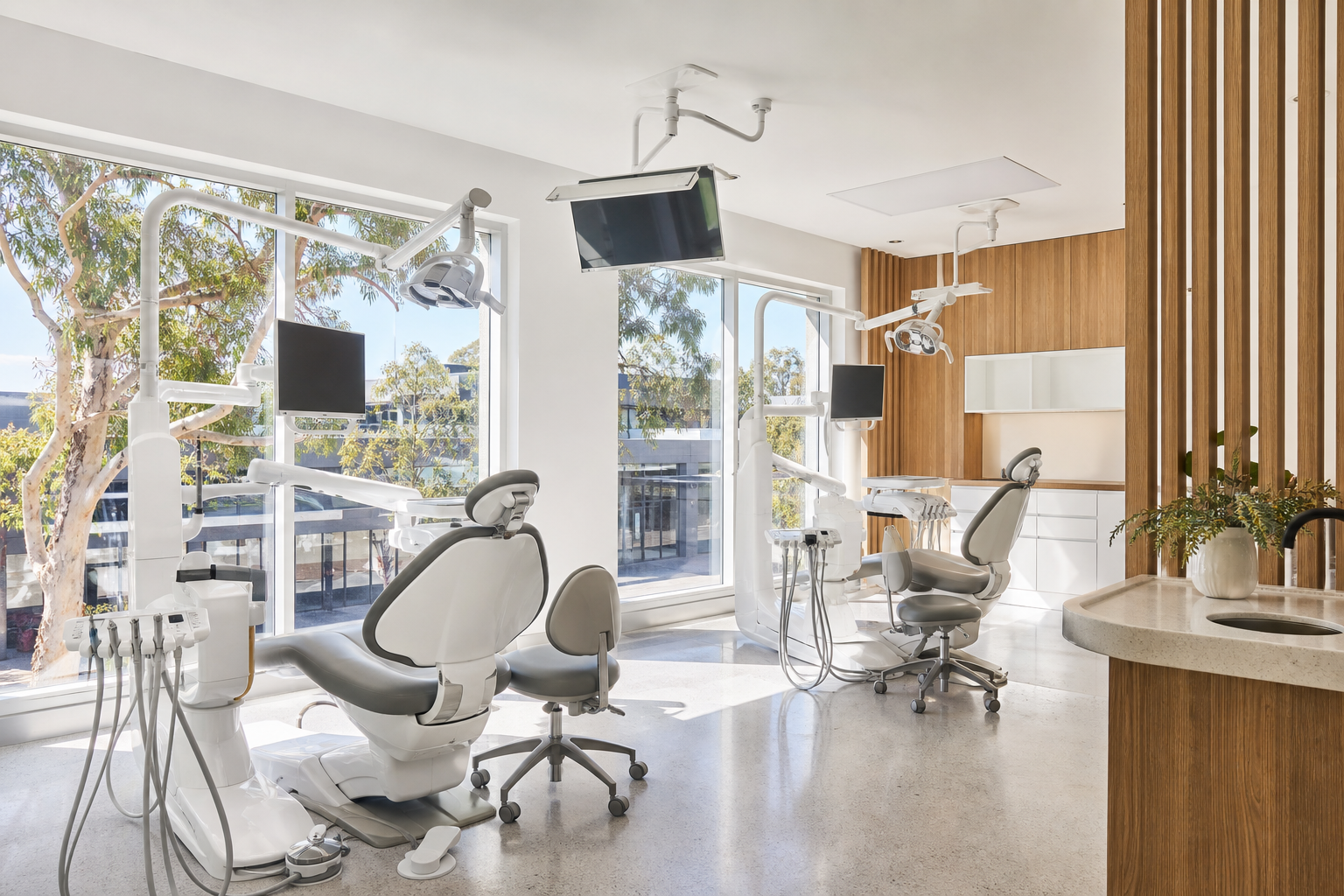
Healthcare equipment finance lets you spread the cost of assets over their useful life, usually 3–7 years, with the equipment itself as security. For standard, resaleable assets, mainstream lenders will often fund up to 100% of the purchase price for established, profitable practices (Fact 15).
1.1 What counts as “equipment” in this space?
Common examples include:
- Dental: chairs, OPG/CBCT units, sterilisation, compressors, milling machines
- Medical: ultrasound, ECG, spirometry, exam lights, surgical instruments, practice management IT
- Allied health: physio tables, pilates reformers, rehab equipment, diagnostic tools, hearing booths
- Imaging / specialist: X‑ray, MRI/CT (often via specialist lenders), lasers, endoscopy stacks
Consumables and very small items (e.g. hand instruments) are usually funded from cashflow or short‑term credit, not long‑term asset finance.
1.2 Why not just use your home loan?
Rolling a $150,000 fit‑out or chair package into your 25–30 year home loan can feel cheap at first, but it often backfires:
- You’re paying interest for decades on an asset that lasts 5–10 years
- It concentrates risk on your principal residence (Facts 10 and 17)
- Untangling home and business debt later is messy, particularly if you want to refinance or sell a property (see)
Stand‑alone equipment finance over 3–7 years usually better matches asset life and preserves flexibility, even when the nominal rate is higher (Fact 2).
1.3 How lenders think about medical vs other industries
The good news: lenders generally like healthcare. It’s seen as:
- More resilient to economic cycles
- Professionally regulated
- Often supported by Medicare/PBS and private health systems
The catch: high individual asset values and sometimes very specialised kit. Highly customised, single‑purpose equipment (for example, niche surgical robotics or bespoke imaging hardware) is harder to finance and may need larger deposits or extra security (Fact 14).
2. Core finance options for medical, dental and allied health equipment
Most health practices land on one of four structures.
2.1 Chattel mortgage (equipment loan)
This is the workhorse for many practices.
- You own the equipment from day one
- The lender takes a charge over the asset
- Terms typically 3–7 years (Fact 7), depending on effective life
- Fixed or variable rate
- Balloon (residual) allowed, but must be realistic versus end‑of‑term value (Fact 8)
Tax angle:
- Interest and depreciation (or full deduction if instant asset write‑off applies) are generally deductible to the business
- GST on purchase may be claimable upfront via BAS (if registered), while repayments are mostly principal + interest
2.2 Finance lease
The lender owns the equipment; you rent it for a fixed term.
- You pay lease rentals (fully deductible operating expense if used wholly for business)
- Residual often set at ATO guideline levels for the asset
- Option to buy at the end for the residual amount
This can suit high‑income professionals who prefer fully deductible lease rentals and want to keep gear off their personal balance sheet, but you trade off ownership flexibility during the term.
2.3 Operating lease or rental
Here, the focus is use, not ownership:
- Shorter terms than the gear’s full life
- Often includes maintenance and upgrades
- You can swap or return at the end, subject to conditions
This works for rapidly evolving tech – think high‑end dental CAD/CAM, lasers or imaging where obsolescence is a real risk.
2.4 Unsecured business loan / overdraft
For smaller spends (say under $50,000–$100,000) or very fast needs, unsecured loans or overdrafts can plug gaps:
- Usually shorter terms (1–5 years)
- Higher rates than secured equipment finance
- Useful for software, minor upgrades, or to avoid disrupting existing facilities
Dedicated business facilities are generally preferable to dipping into personal credit cards or home loan redraws for business expenses, as they protect the family home and clarify tax deductibility (Fact 10).
3. Loan terms, asset life and lender rules for health gear
Lenders want the loan to line up with the useful life of the asset and its resale value.
3.1 Matching term to asset
General rule of thumb in equipment finance: total asset age at the end of the term must be within a sensible window – often 10–15 years for vehicles and standard machinery and 5–7 years for technology assets (Fact 1).
Applied to health equipment, that usually means:
- Dental chairs: 5–7 years
- Sterilisation/compressors: 5–7 years
- Ultrasound / standard imaging: 5–7 years
- Practice IT: 3–5 years
- Rehab gear / pilates reformers: 5 years
3.2 New vs used equipment
Used equipment is fundable, but with tighter settings:
- Lower maximum LVRs
- Shorter terms to reflect remaining life
- Higher pricing due to weaker resale value and reliability risk (Fact 4)
For example, a near‑new 2‑year‑old ultrasound may still get a 5‑year term, but a 7‑year‑old unit might be limited to 2–3 years and a lower LVR.
3.3 Standard vs specialised assets
Standard kit (well‑known brands, broad user base, strong resale) usually attracts:
- Higher LVRs (up to 100% for established practices – Fact 15)
- Simpler approvals
Highly specialised or custom equipment:
- May require a deposit (10–30%)
- Might need additional security (e.g. a general security agreement over the business)
- Can push you towards specialised funders
4. How lenders assess your application: what really matters
Even for doctors and dentists, funding isn’t automatic. Lenders look at a mix of business and personal factors.
4.1 Serviceability: cashflow, not revenue
Lenders assess equipment finance serviceability based on business cashflow after expenses and owners’ drawings, not just turnover (Fact 6).
They’ll typically look at:
- Practice turnover and trends (last 12–24 months)
- Net profit (before and after owner’s remuneration)
- Existing loan and lease commitments
- How the new repayment fits in
For tradies, keeping total equipment repayments under 15–20% of average monthly net trading surplus is a practical buffer (Fact 11). For health practices, a similar principle applies: if your net surplus is $20,000 a month, staying under ~$3,000–$4,000 in new equipment repayments is usually sensible.
4.2 Documentation: full‑doc vs low‑doc / alt‑doc
Full‑doc applications will usually require:
- 1–2 years financial statements for the practice
- Tax returns and notices of assessment
- BAS and bank statements
Low‑doc or alt‑doc equipment finance can rely on:
- BAS summaries
- Business bank statements (6–12 months)
- Accountant declarations
But low‑doc/alt‑doc typically comes with higher pricing or lower maximum amounts (Fact 5). This can be useful for fast‑growing allied health practices not yet showing full profits on tax returns.
4.3 Ownership and structure
How the practice is structured matters from a lending and tax perspective:
- Sole trader / partnership
- Company
- Discretionary or unit trust
For practice owners, smart structuring of salary, drawings and dividends can significantly change borrowing capacity (see). Getting this right 6–24 months before large finance moves is ideal.
The strategy continues below
You've seen the problem and the groundwork — now unlock the exact steps our CPA-certified brokers use, including 10 more sections. Enter your email for instant, free full access.
Free access. No spam — unsubscribe anytime. Your details stay confidential.
Frequently asked questions
What is the best way to finance dental chairs in Australia?▾
Can I finance medical or allied health equipment as a new practice owner?▾
Should I use my home loan to buy medical or dental equipment?▾
How long can I finance health equipment for?▾
Are equipment finance repayments tax deductible for my practice?▾
Can I finance used medical or dental equipment?▾
What documents do I need to apply for healthcare equipment finance?▾
Speak with a specialist advisor
Confidential consultation, bespoke advice for your situation.