Article
Smart ways to finance a move from Green Square to a house
A sharp, decision‑grade guide to funding a move from a Green Square apartment into a house in Sydney’s inner ring, without over‑stretching yourself.
Key Takeaway
To finance a move from a Green Square apartment to a house in Sydney’s inner ring, borrowers need to quantify usable equity, decide whether to sell or keep the unit, and structure deposits and loans while retaining at least 3–6 months of buffers. With Sydney inner‑ring houses typically costing 1.5–3 times nearby units, banks will apply about a 3% serviceability buffer (APRA) and conservative rent assumptions. A worked equity and repayment check lets buyers choose between selling first, bridging, or staged upgrading with a safer risk profile.
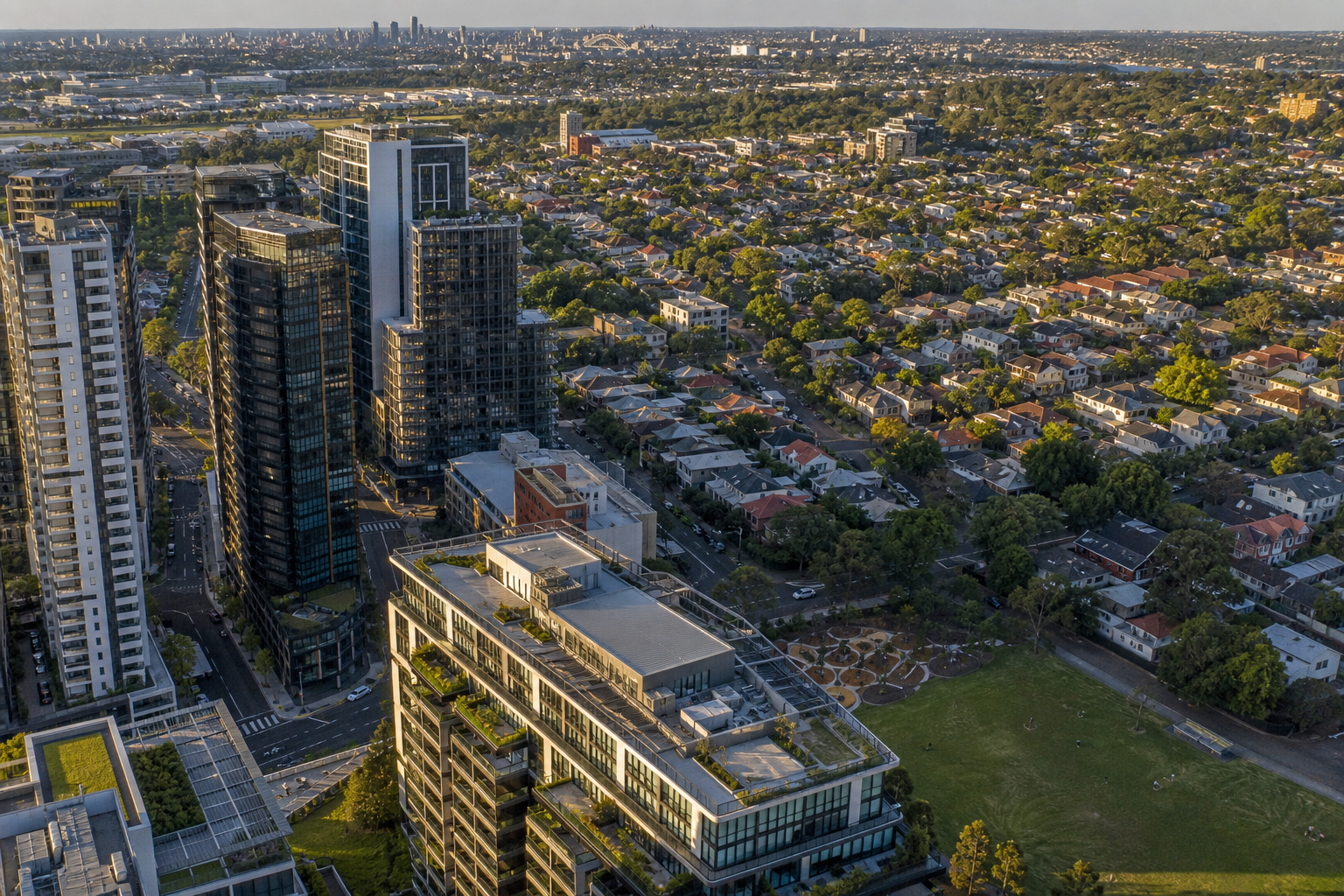
Moving from a Green Square apartment to a house in Sydney’s inner ring is usually possible if you: 1) know your usable equity, 2) choose the right sell‑vs‑keep strategy, and 3) keep at least a 3–6 month buffer after the move.
For many households, the safest path is selling the apartment to fund a 20% deposit plus costs on the house, then rebuilding an offset buffer quickly.
Step 1: Work out how much house you can safely target
You don’t start with listings.
You start with numbers.
1. Estimate usable equity in your Green Square unit
- Current value (conservative) minus
- Your loan balance minus
- A safety margin for selling costs (agent, legals, marketing – often ~3–4% of sale price).
Example:
- Unit value: $950,000
- Loan: $650,000
- Selling costs (3%): ~$28,500
- Approx. equity after sale: $271,500
At 20% deposit on a house plus 5% for stamp duty and other costs, $270k supports roughly a $1.0–1.1m purchase.
You can stretch higher with less than 20% deposit and LMI, but that’s a separate risk decision.
2. Check your borrowing power at higher rates
Lenders must assess you at your rate plus at least 3% (APRA buffer).
A rough rule for many dual‑income couples on stable PAYG incomes is that total P&I repayments across all properties should stay under ~30–35% of after‑tax income.
Run your numbers at rates 2–3% higher than today.
If you’re self‑employed or have complex income, aligning your tax planning with how banks see your income can add a surprising amount of borrowing power – see /insights/medical-legal-tech-income-structuring-green-square-borrowing-power.
The strategy continues below
You've seen the problem and the groundwork — now unlock the exact steps our CPA-certified brokers use, including 5 more sections. Enter your email for instant, free full access.
Free access. No spam — unsubscribe anytime. Your details stay confidential.
Frequently asked questions
Can I move from a Green Square unit to a house without selling first?▾
How much buffer should I keep when upgrading to an inner‑ring house?▾
Will keeping my Zetland apartment as an investment cut my borrowing power for the house?▾
Speak with a specialist advisor
Confidential consultation, bespoke advice for your situation.