Loading the latest on mortgages, RBA & inflation…

Article

How Much Deposit You Really Need for a Green Square Apartment

Most Green Square buyers fixate on price, not deposit strategy. Here’s a decision-grade breakdown of what 5%, 10% and 20% deposits really mean for apartments in Zetland, Waterloo and nearby – with numbers you can act on this week.

21 July 2026Updated 21 July 202610 min read

Key Takeaway

A buyer for a Green Square apartment typically needs between a 5–20% deposit, depending on lender LVR limits, building risk and whether government schemes like the First Home Guarantee are used. Many lenders cap high‑density Green Square units at 80–90% LVR, which can push deposits above 10%. A practical next step is to pick a target building and run lender‑specific scenarios with a broker to confirm the exact deposit and buffer required.
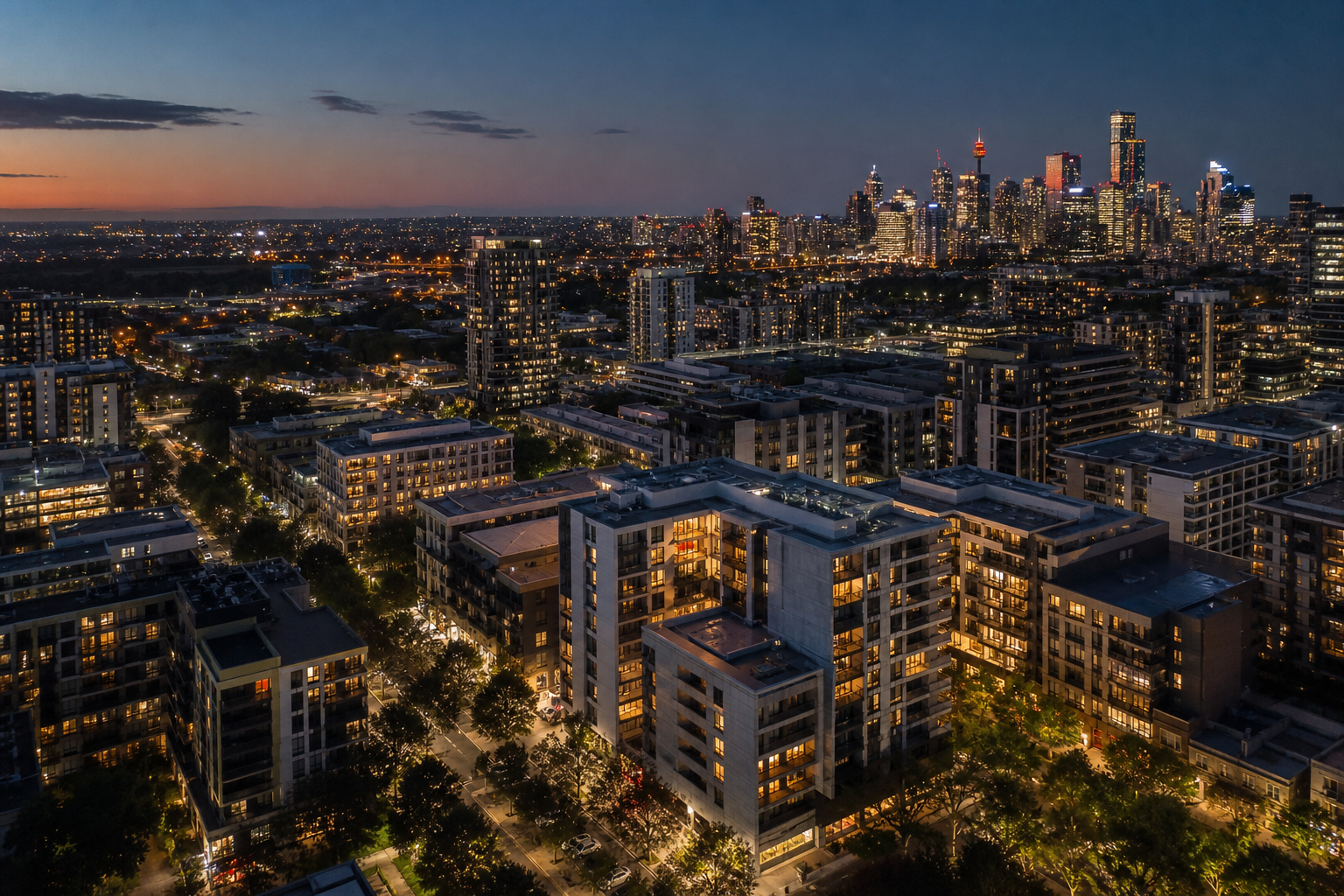
How Much Deposit You Really Need for a Green Square Apartment

Most people ask me, “Is 10% enough for a Green Square apartment?” The honest answer: sometimes it is, sometimes it isn’t – and the building you pick matters more than the percentage you had in mind. In parts of Green Square, two buyers paying the same price can need very different deposits, purely because their lenders see the building risk differently.

In practice, the deposit you really need for a Green Square apartment is usually between 5% and 20% of the purchase price, plus costs. Where you land in that range depends on: 1) whether you qualify for government schemes, 2) how lenders classify your specific building, and 3) how much risk you’re prepared to take on with LMI and buffers.

The 30‑second answer: what I tell clients this week

If you want a decision you can act on quickly, here’s the framework I use with Green Square buyers:

  1. First‑home buyer, willing to live in it: 5–10% deposit can work if the building is acceptable to lenders and you use schemes or LMI.
  2. Upgrader or investor, standard apartment: aim for 15–20%+ to clear LMI and give yourself room for valuations and buffers.
  3. High‑risk building (very small units, mixed‑use, known defects): expect lenders to limit you to 80–90% LVR or less, so you may need 10–25%+ deposit.

The mistake I see most is buyers choosing an arbitrary deposit target (e.g. 10%) without checking how their short list of buildings is treated by lenders. In Green Square, that’s backwards.

Home buyers reviewing deposit options with Green Square apartment plans on table Your true deposit needs depend on the specific Green Square building and your plans.

Step 1: Anchor your numbers to realistic Green Square prices

Before we talk percentages, you need a price anchor. As at early 2026, many finance-ready buyers I see are targeting:

  • One‑bedroom apartment: often in the $750k–$900k range depending on building and outlook.
  • Two‑bedroom apartment: frequently $950k–$1.2m+ for decent stock in Zetland or Waterloo.

(Always check up‑to‑date sales in your chosen buildings – these are indicative ranges, not valuations.)

Let’s run numbers for a mid‑range two‑bed purchase at $1,000,000 in Zetland.

What different deposits actually look like (by the numbers)

Purchase priceDeposit %Deposit $Loan (before costs)
$1,000,0005%$50,000$950,000
$1,000,00010%$100,000$900,000
$1,000,00015%$150,000$850,000
$1,000,00020%$200,000$800,000

Then layer on acquisition costs – roughly:

  • NSW stamp duty: first‑home concessions can reduce or remove this depending on the rules at the time and your price point.
  • Legal / conveyancing: say $2,000–$3,000.
  • Strata reports, inspections, valuation top‑ups, moving costs: often another $2,000–$5,000+.

In Green Square, most buyers should plan for an extra 3–4% of the purchase price in costs, unless they’re clearly under the threshold for stamp duty relief.

On a $1m unit, that’s $30k–$40k on top of your deposit.

Step 2: Understand how Green Square buildings change your deposit

This is where Green Square is different from a typical suburban house.

Many Australian lenders treat parts of Green Square (Zetland, Waterloo, some Rosebery) as high‑density or restricted postcodes. That can mean:

  • Lower maximum LVRs (e.g. 80–90% instead of 95%).
  • Stricter treatment of very small units (e.g. under 50m² internal).
  • Extra caution around mixed‑use buildings (retail podiums, lots of commercial space) or complexes with defects/cladding history.

From previous work on local lending policy, we know that for the same Green Square apartment, different lenders can offer materially different maximum LVRs and valuations, which directly changes your required deposit (see /insights/local-green-square-broker-building-knowledge).

Three common Green Square scenarios

1. “Standard” apartment, vanilla policy

Think: decent‑sized, mainly residential building with no defect history, strong sales evidence.

  • Some lenders will go up to 90–95% LVR with LMI for owner‑occupiers.
  • That means a 5–10% deposit can work in principle, assuming income and credit stack up.

2. High‑density flagged postcode

Same apartment, but the lender’s risk team has flagged the postcode or complex as high‑density.

  • Many banks quietly cap these at 80–90% LVR.
  • Suddenly your 10% deposit becomes the minimum, not the nice‑to‑have.
  • Investors may be capped even lower than owner‑occupiers.

3. Higher‑risk building

Think: very small units, serviced‑apartment‑style past, mixed‑use podium, or a building that’s been on the news for cladding or defects.

  • Some mainstream lenders may refuse to lend, others might cap at 70–80% LVR.
  • Your required deposit can blow out to 20–30%+, even if your income is strong.

This is why I push clients to pick buildings first, then test deposit scenarios with specific lenders – not the other way around. If you haven’t already, pair this article with the practical checklist in the Practical First‑Home Buying Guide for Green Square and Surrounds.

Step 3: Decide how much LMI risk you’re comfortable with

In Australia, Lenders Mortgage Insurance (LMI) generally kicks in when your loan is above 80% of the property value (LVR > 80%). It’s a one‑off premium, usually added to your loan, not paid monthly.

For a $1m apartment:

  • At 90% LVR (10% deposit), an owner‑occupier might see an LMI premium in the tens of thousands (exact figures vary by lender and risk profile).
  • At 95% LVR (5% deposit), the premium can be significantly higher again.

I see three broad attitudes to LMI in Green Square:

  1. Avoiders – want 20% deposit to skip LMI altogether.
  2. Pragmatists – accept LMI as the entry ticket if it helps them buy a good asset sooner.
  3. Over‑stretchers – chase 5% deposits but leave themselves with no buffer and years of financial stress.

My rule of thumb: LMI can be useful if you’re buying a quality, lender‑friendly building and still keeping a decent cash buffer after settlement. It’s dangerous when you use every last dollar just to scrape to 5–10%.

Step 4: Factor in schemes – when 5% can be enough

If you’re a first‑home buyer, schemes can shift the deposit maths meaningfully.

First Home Guarantee (FHBG)

Under the First Home Guarantee, eligible buyers can purchase with as little as 5% deposit, with no LMI, because Housing Australia guarantees the shortfall between your deposit and 20%.

For a $900k one‑bed in Zetland:

  • 5% deposit = $45,000.
  • Government guarantee covers the extra 15% in the background.
  • You still need to cover costs and buffers yourself.

However:

  • The property must meet FHBG price caps and postcode rules.
  • Not all Green Square off‑the‑plan projects will qualify because of timing and completion rules.

If you’re looking at off‑the‑plan with FHBG in mind, read Using the First Home Guarantee to Buy Off‑the‑Plan in Green Square before you sign anything.

FHSS and stamp duty relief

The First Home Super Saver (FHSS) scheme and NSW stamp duty concessions don’t change the deposit percentage, but they change how you build or use that deposit:

  • FHSS can let you withdraw extra savings from super to boost your deposit.
  • Stamp duty relief can free up tens of thousands that would otherwise go to the state government.

In practical terms, for a $800k–$900k unit, this can be the difference between needing 15% saved in cash versus being able to make it work with 10% plus FHSS plus a bit of family support.

Step 5: Don’t forget buffers – the invisible part of your deposit

Too many spreadsheets end at “Can I get the loan approved?” instead of “Can I live with this loan when life happens?”

I want clients to think of their total capital position like this:

Deposit + costs + 3–6 months’ repayment buffer = minimum safe funding.

A worked example: $1m Zetland two‑bed, owner‑occupier

Assume:

  • Price: $1,000,000
  • Deposit: 10% ($100,000)
  • Loan: $900,000
  • Interest rate: 6% p.a. (illustrative only)
  • Term: 30 years, principal & interest

Approximate monthly repayment ≈ $5,400–$5,500.

A 3‑month buffer is roughly $16,000–$17,000. A 6‑month buffer is $32,000–$34,000.

So a realistic funding plan might look like:

  • Deposit: $100,000 (10%)
  • Costs: $35,000 (stamp duty, legals, moving – after any concessions)
  • Buffer: $20,000 (just under 4 months of repayments)

Total capital needed ≈ $155,000.

That’s why many Green Square buyers who “have 10% saved” actually aren’t ready yet – because they haven’t funded costs and a buffer.

For self‑employed buyers, I usually want more buffer, because your income can be more volatile and lenders assess you off past financials, not next year’s pipeline.

Step 6: Off‑the‑plan deposits – why the bar is higher

If you’re buying a Green Square apartment off‑the‑plan, your deposit decision needs to allow for valuation and policy risk at settlement.

Typical off‑the‑plan structure:

  • 10% deposit on exchange (sometimes slightly more or less by negotiation).
  • Balance funded by a loan at future settlement, when the building is complete.

Risks to plan for:

  • The finished valuation comes in lower than your contract price.
  • Lender policy tightens further for that postcode or building type.
  • Your income/borrowing power changes between exchange and settlement.

To manage that, for off‑the‑plan I usually recommend planning for more than the bare 10% – for example:

  • Have 12–15% of the contract price accessible by settlement (including the 10% you already paid).
  • Keep extra savings or an offset ready in case you need to tip in more to cover a valuation shortfall.

You’ll find a deeper walkthrough of how to structure this in How to Finance a New or Off‑the‑Plan Apartment in Green Square.

Diagram of 5, 10 and 20 percent deposits beside Green Square apartment building Comparing 5%, 10% and 20% deposits helps you decide how much buffer to keep.

Step 7: Align your deposit with your 10‑year plan

Deposit size isn’t just about getting the keys. It’s about what you want this apartment to do for you over the next decade.

Some examples:

  • Future upgrader: You might accept LMI now with a 10% deposit if it gets you into a good, lender‑friendly building that’s likely to have solid resale when you upgrade in 5–7 years.
  • Long‑term owner‑occupier: Aiming for 15–20% can give you better cashflow resilience and flexibility if you later need to reduce hours, have kids, or change careers.
  • Investor or rentvestor: A larger deposit can improve cashflow and borrowing capacity for your next purchase – but don’t wipe out your buffers chasing 80% at all costs.

In my long‑term planning work with Green Square clients, the best results come when we match the deposit strategy to the 10‑year property and life plan, not just the next 12 months (see the case studies in How a Green Square Broker Builds a 10‑Year Property Plan).

How to get to a decision this week

Here’s what I’d do if I were in your shoes and wanted clarity fast:

1. Choose a realistic price band and building type

  • Shortlist 2–3 target buildings in Zetland/Waterloo/Rosebery.
  • Use recent sales to confirm if you’re looking around $800k, $1m or $1.2m.

2. Run three deposit scenarios on that price

For your likely purchase price, calculate:

  • 5% deposit + costs + 3‑month buffer.
  • 10% deposit + costs + 3‑month buffer.
  • 20% deposit + costs + 6‑month buffer.

That immediately shows whether you’re closer to 5–10% territory or 15–20%+.

3. Stress‑test with lender policy on your actual buildings

This is where a Green Square‑experienced broker adds real value:

  • They can tell you which lenders like or dislike your shortlisted buildings.
  • They’ll translate that into maximum LVRs, likely valuations and real deposit needs.

You can get a sense of why that local knowledge matters in Why Green Square buyers often need a truly local mortgage broker.

4. Lock in a target deposit and a 6–12 month savings/strategy plan

Once you know, for your building profile:

  • Minimum workable deposit (e.g. 8–10% with LMI) vs.
  • Comfort‑zone deposit (e.g. 15–20% with lower repayments and more buffer),

…then you can decide whether to:

  • Push to buy this year, or
  • Give yourself another 6–12 months of savings and planning.

The win isn’t in rushing – it’s in buying the right apartment with a deposit level you can live with for years.


Key takeaways

  • In Green Square, a workable deposit is usually between 5% and 20% of the purchase price, plus 3–4% for costs and a 3–6 month repayment buffer.
  • Lender treatment of your specific building and postcode can push your required deposit well above 10%, especially for high‑density, small or higher‑risk complexes.
  • First‑home schemes like FHBG can make 5% deposits viable for some buyers, but you still need to fund costs and buffers and obey scheme rules.
  • Off‑the‑plan buyers should plan for more than the bare 10%, allowing for valuation and policy changes by settlement.
  • The “right” deposit isn’t just about approval – it should align with your cashflow comfort and 10‑year property plan.

If you want to translate this into a concrete number for your situation, book a free 15‑minute deposit and borrowing power strategy call at localknowledgefinance.com.au. We’ll run the numbers on your target Green Square buildings and show you exactly what deposit and buffer you really need. Your tax, your loan, one expert – a CPA, Tax Agent and Broker in one consultation.

General advice only.

Frequently asked questions

Is a 10% deposit enough to buy a Green Square apartment?
A 10% deposit is enough for many Green Square apartments, especially for owner‑occupiers using LMI, but it depends heavily on the building and lender. Some lenders cap high‑density or higher‑risk buildings at 80–90% LVR, which can effectively require more than 10% once you add costs and buffers. Always test your specific building with lender policy before committing.
Can I buy a Green Square apartment with a 5% deposit?
It can be possible to buy with a 5% deposit if you’re an eligible first‑home buyer using the First Home Guarantee or accepting LMI. The property still needs to meet scheme price caps and lender policy for that postcode and building. You also must budget for stamp duty, legal costs and a repayment buffer on top of the 5% deposit.
How much extra do I need on top of the deposit for a Green Square apartment?
On top of your deposit, plan for roughly 3–4% of the purchase price to cover stamp duty, legal fees, inspections and moving costs, subject to any first‑home stamp duty concessions. In addition, it’s wise to hold a 3–6 month buffer of loan repayments in savings or an offset account. Many buyers underestimate these extras when working out if they’re ready to buy.
Do I need a bigger deposit for an off‑the‑plan Green Square unit?
For off‑the‑plan Green Square units, it’s safer to plan for more than the standard 10% deposit paid on exchange. By settlement, valuations or lender policies may have changed, and you may need to contribute additional funds if the bank values the property below the contract price. Aiming for 12–15% total funds plus a cash buffer is often more realistic.
Do investors need a larger deposit than owner‑occupiers in Green Square?
Investors often face tighter maximum LVRs than owner‑occupiers, particularly in high‑density areas like Green Square. Many lenders prefer investors to have 10–20% deposits or more, both to manage their risk and to ensure acceptable cashflow. Owner‑occupiers may access higher LVRs and schemes, but still need to consider LMI costs and buffers.

Speak with a specialist advisor

Confidential consultation, bespoke advice for your situation.