Article
How Green Square and Mascot Owners Safely Upgraded Into The East
Three real-world style case studies of Green Square and Mascot owners who upgraded into the Eastern Suburbs without blowing their buffers, rushing a sale or taking on dangerous bridging debt – with numbers you can adapt this week.
Key Takeaway
This article explains how Green Square and Mascot owners can safely upgrade into Sydney’s Eastern Suburbs by combining equity, buffers and tightly controlled bridging or contingent approvals. Using three numerical case-style scenarios, it shows how to keep at least 6–12 months of stressed repayments and living costs in cash or offset, and why clear loan splits by purpose preserve future tax flexibility. Readers are guided to calculate their own safe price range and timeline before signing any contract.
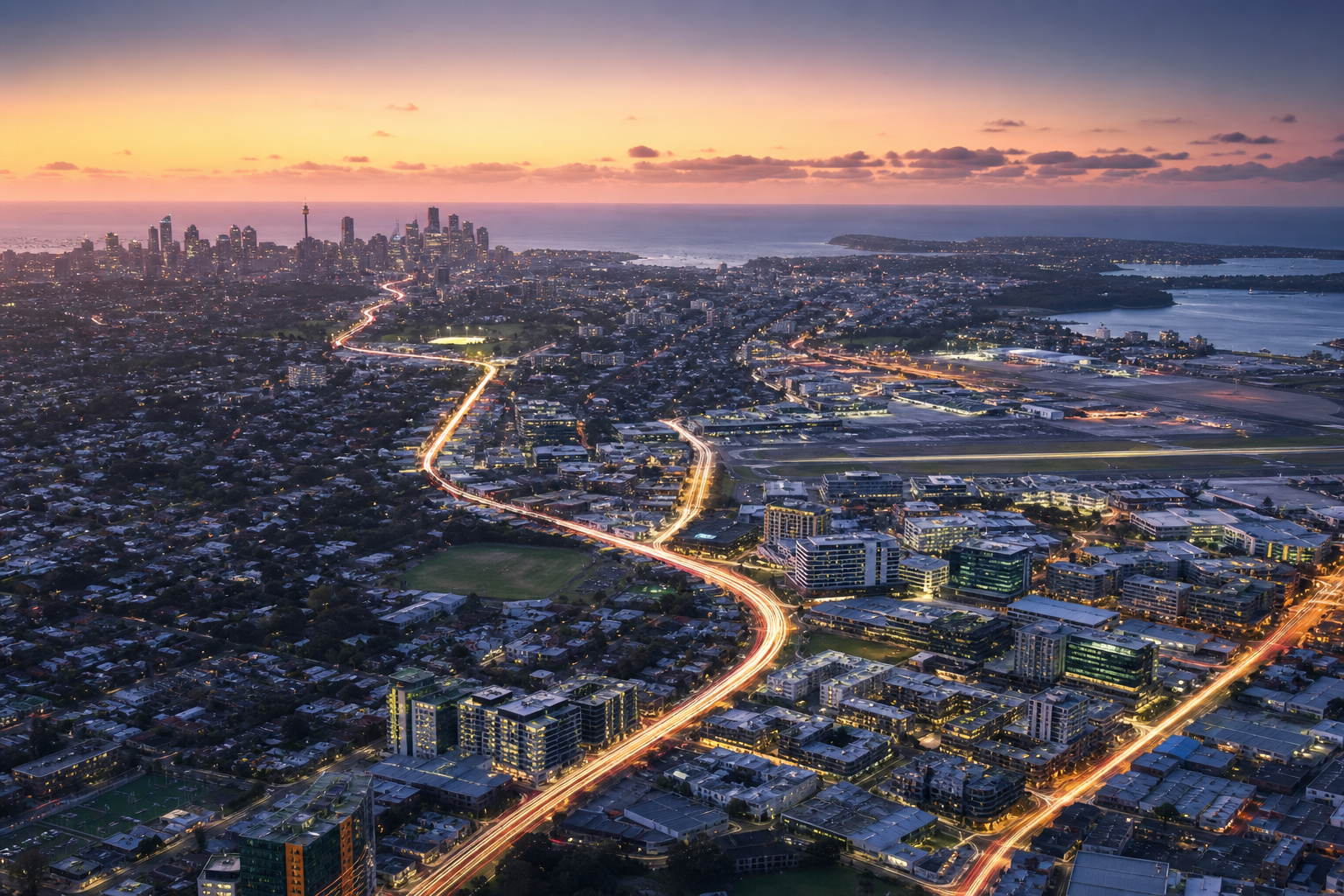
Upgrading from Green Square or Mascot into the Eastern Suburbs is safest when you (1) protect a 6–12 month buffer of stressed repayments and living costs, (2) keep loan splits clean by purpose, and (3) only use bridging if the term and exit are crystal clear.
Here are three realistic, numbers-based scenarios you can copy and adapt this week.

Case 1: Zetland apartment owner upgrading to a Rose Bay house
Profile
– Own-occupied 2‑bed unit in Zetland
– Target: freestanding home in Rose Bay
– Dual incomes, stable PAYG
Starting position (approximate)
– Zetland unit value: $1.1m
– Current home loan: $650k (P&I)
– Equity: ~$450k before costs
– Cash/offset: $80k
Goal: Buy a $2.3m–$2.5m family home in Rose Bay without a fire‑sale of the Zetland unit.
Step 1: Define the safe equity and buffer line
We model:
- 80% of new home value (to avoid LMI) on $2.4m ≈ $1.92m new lending.
- After sale of Zetland and costs, they can tip in ~$350k net.
That leaves ~$1.57m total owner‑occupied debt post‑move.
At an indicative 6.5% over 30 years, P&I is roughly $9,900/month.
We then stress test at 9.5% (APRA-style 3% buffer): about $12,500/month.
Living costs: ~$6,000/month.
So their stressed monthly total is $18,500.
A 6–12 month buffer means $111k–$222k in cash or true offset after settlement.
Result: they can safely use about half of their $80k cash for costs and keep $40k+, provided sale timing is tight and there’s an additional buffer coming from the Zetland proceeds.
Step 2: Tight, time‑boxed bridging
We borrow from the approach in [/insights/rose-bay-upgrade-apartment-family-home-bridging-case-study] and run a capped bridging window.
On day 1 of purchase:
- Existing loan: $650k (Zetland)
- New loan (Rose Bay): up to $1.92m
- Peak debt during bridging: about $2.57m
Interest‑only bridging for 4–6 months is manageable if:
- They can cover repayments at 3% higher than current rates.
- The Zetland unit is priced realistically and prepared properly pre‑listing.
- There’s a hard deadline to switch to contingency plan (discount price or temporary lease).
What made this safe:
– Conservative Rose Bay budget pegged to stressed cashflow, not bank max.
– Clear exit: list Zetland within 2 weeks of exchange on Rose Bay.
– At least 6 months of stressed repayments and essentials in offset.
The strategy continues below
You've seen the problem and the groundwork — now unlock the exact steps our CPA-certified brokers use, including 4 more sections. Enter your email for instant, free full access.
Free access. No spam — unsubscribe anytime. Your details stay confidential.
Frequently asked questions
Do I have to sell my Green Square or Mascot place before buying in the East?▾
Is keeping my Mascot unit as an investment always a good idea?▾
How much equity can I safely pull out to upgrade?▾
Speak with a specialist advisor
Confidential consultation, bespoke advice for your situation.