Article
Five Hidden Finance Traps in Green Square Off‑Market and Pre‑Market Deals
Quiet off‑market and pre‑market deals in Green Square and Zetland move fast and feel exclusive. This guide shows five specific finance traps, how they play out in real numbers, and the one‑week steps to protect yourself before you sign or transfer a holding deposit.
Key Takeaway
This guide explains the five main finance traps in Green Square and Zetland off‑market and pre‑market property deals: weak pre‑approvals, optimistic valuations, risky contract clauses, timing-related cashflow strain, and self‑employed or entity complexity. With over 28% of Australian mortgage holders already ‘at risk’ of stress, according to Roy Morgan, fast quiet deals can easily push buyers too far. The article provides concrete examples, lender concepts and a one‑week action checklist so buyers can move quickly without overcommitting.
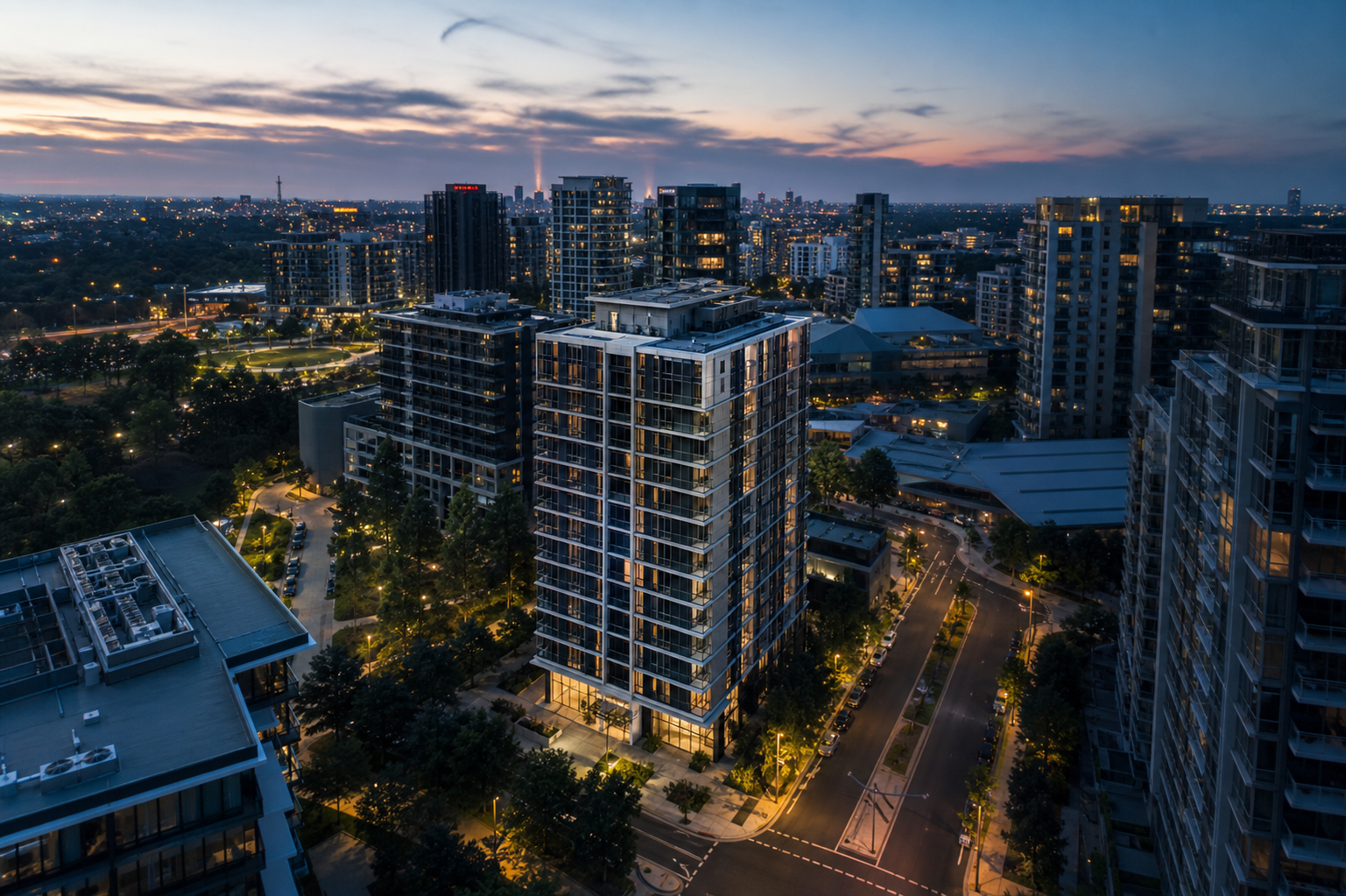
Off‑market and pre‑market deals in Green Square and Zetland are private sales that happen before a full public campaign. They often come with time pressure, limited information and a strong emotional pull. The core finance risk is simple: you’re making big, binding commitments before your bank or lender has fully tested the property and your numbers.
In practical terms, that means a higher chance of your valuation coming in low, your pre‑approval failing under pressure, or your cashflow being stretched just as rates are rising and around 28% of Australian mortgage holders are already ‘at risk’ of stress (Roy Morgan, 2026).
This guide unpacks five specific traps we see in Green Square, Zetland and the inner south — and the steps you can take this week to protect yourself before you sign or transfer a holding deposit.

How Green Square Off‑Market and Pre‑Market Deals Really Work
What “off‑market” and “pre‑market” mean in the inner south
In the Green Square pocket (Zetland, Waterloo, Alexandria, Rosebery), an:
- Off‑market deal is usually a quiet, invitation‑only sale. The property may never hit the portals, or appears only as a ‘coming soon’ teaser.
- Pre‑market deal is a deal agreed before the main auction or campaign. You might see a short private treaty period or a quick auction brought forward.
These can be genuine opportunities — fewer buyers, less competition, and less marketing cost for the vendor. But they also strip away the usual price signals and time buffers you’d get in a normal four‑week auction campaign.
For a broader view on similar risks in another market, see /insights/finance-traps-rose-bay-off-market-pre-market-deals.
Why the finance risk is higher than a standard campaign
Finance risk is higher in these deals because:
- You’re rushed – Agents often ask for a quick yes/no, with a 66W on the table.
- Less price transparency – There may be no comparable recent sales in your exact building, or they’re not visible to you.
- Property quirks – Green Square has mixed‑use buildings, high‑density stock and small apartments that some lenders treat cautiously.
- No time for Plan B – If your first lender says no, you have less time to pivot to another.
That’s the backdrop. Let’s get into the five specific traps.
Trap 1: Paper‑Thin Pre‑Approval That Fails Under Pressure
Desktop approvals vs real, human‑assessed pre‑approval
Many buyers in Green Square walk into a quiet deal armed with what looks like a pre‑approval but is really a quick computer tick‑box.
The danger:
- No human credit officer has checked your payslips, tax returns or business financials.
- The system hasn’t assessed the actual unit you want — just a generic property type.
- Conditions like “subject to satisfactory valuation” and “subject to verification” are barely understood.
When the real application hits credit, it can fall apart — especially for self‑employed clients or those using company/trust/partnership income.
For a deeper look at how lenders view business and structure income in this area, see /insights/company-trust-partnership-income-green-square-purchase-guide.
Worked example: a $90,000 borrowing gap
- Indicative pre‑approval: $1.2m at 90% LVR, P&I, based on a quick online application.
- Real application (after documents): lender excludes last year’s bonus and adjusts your business drawings down. Real borrowing limit: $1.11m.
- You’ve already offered $1.18m on a pre‑market Zetland 2‑bed with a 10% deposit.
You’re now $70,000 short, before stamp duty and costs. With a 66W, you may have no finance clause and risk losing your 10% deposit if you can’t bridge the gap.
How to harden your pre‑approval this week
- Insist on full assessment – A human‑signed pre‑approval with payslips, tax returns and bank statements checked.
- Target auction‑grade lenders – Focus on lenders known to support high‑density Green Square stock.
- Set a safe price cap – Bid/spend under your paper maximum, allowing for the APRA‑style 3% buffer and your own household buffer.
- Don’t sign on a desktop approval – If you don’t have a fully assessed pre‑approval, treat any off‑market opportunity as “nice to look at, not safe to buy yet”.
You can cross‑check your current approval standard against the checklist in /insights/green-square-home-loan-pre-approval-that-survives-auction.
Trap 2: Optimistic Valuations in Tricky Green Square Stock
Why valuations are more fragile in Green Square and Zetland
Green Square has:
- High‑density towers with many near‑identical units.
- Mixed‑use buildings with retail below and residential above.
- Buildings with cladding, defects or higher‑than‑average strata levies.
Valuers and banks know this. They sometimes apply more conservative assumptions, especially when:
- There’s recent sales evidence at lower levels than the vendor’s asking price.
- The building is on a watch‑list or has known issues.
- The unit is small or has an unusual layout.
Low valuation risk: what it looks like in numbers
Say you agree to buy a Zetland 1‑bed off‑market for $830,000 at 90% LVR.
- Contract price: $830,000
- Your deposit: $83,000 (10%)
- Expected loan: $747,000
Valuer comes in at $790,000.
- Max loan at 90% LVR: $711,000
- Shortfall: $36,000 plus costs
You must either:
- Find an extra $36k cash quickly,
- Re‑negotiate the price (hard in a quiet deal), or
- Scramble to a different lender who may still use the same valuation.
With around a third of mortgage holders already in some level of stress, this extra stretch can be enough to move you from safe to exposed if rates move again.
Guardrails before you offer
Before you sign or transfer a holding deposit:
- Ask your broker about building risk flags – Some lenders have internal guidance or reduced LVRs on specific postcodes/buildings.
- Run an informal valuation check – Use recent, settled sales in the same building or a similar one, not just listing prices.
- Keep your own buffer – Aim to have at least 2–3 months of essential living costs left after settlement (including strata, council, insurance and utilities, not just the mortgage, per our buffer guidance).
- Avoid max LVR where possible – If you can sit at 80–85% LVR instead of 90–95%, you give yourself more room if a valuation is a little soft.
The strategy continues below
You've seen the problem and the groundwork — now unlock the exact steps our CPA-certified brokers use, including 7 more sections. Enter your email for instant, free full access.
Free access. No spam — unsubscribe anytime. Your details stay confidential.
Frequently asked questions
Are off‑market deals in Green Square always better value?▾
How strong should my pre‑approval be before I sign a 66W?▾
What extra risks apply to small units or mixed‑use Green Square buildings?▾
How can self‑employed buyers reduce last‑minute finance surprises?▾
Should I use a local broker or my main bank for an off‑market deal?▾
Speak with a specialist advisor
Confidential consultation, bespoke advice for your situation.