Article
Local Property Red Flags Your Nearby Broker Spots Before The Bank
Some buildings, developers and strata schemes quietly scare lenders. A nearby broker often sees the red flags months before they hit bank systems. Here’s how that protects your borrowing power and helps you avoid a finance dead-end.
Key Takeaway
This article explains how a local mortgage broker can identify building, developer and strata red flags before they appear in bank systems, protecting borrowers from failed valuations and loan declines. It highlights risks like combustible cladding, major defects, builder insolvency, and underfunded sinking funds that commonly spook lenders. With around 70% of new Australian home loans written via brokers, the key takeaway is that buyers should get a broker to pre‑check a property’s local risk profile before signing or going unconditional.
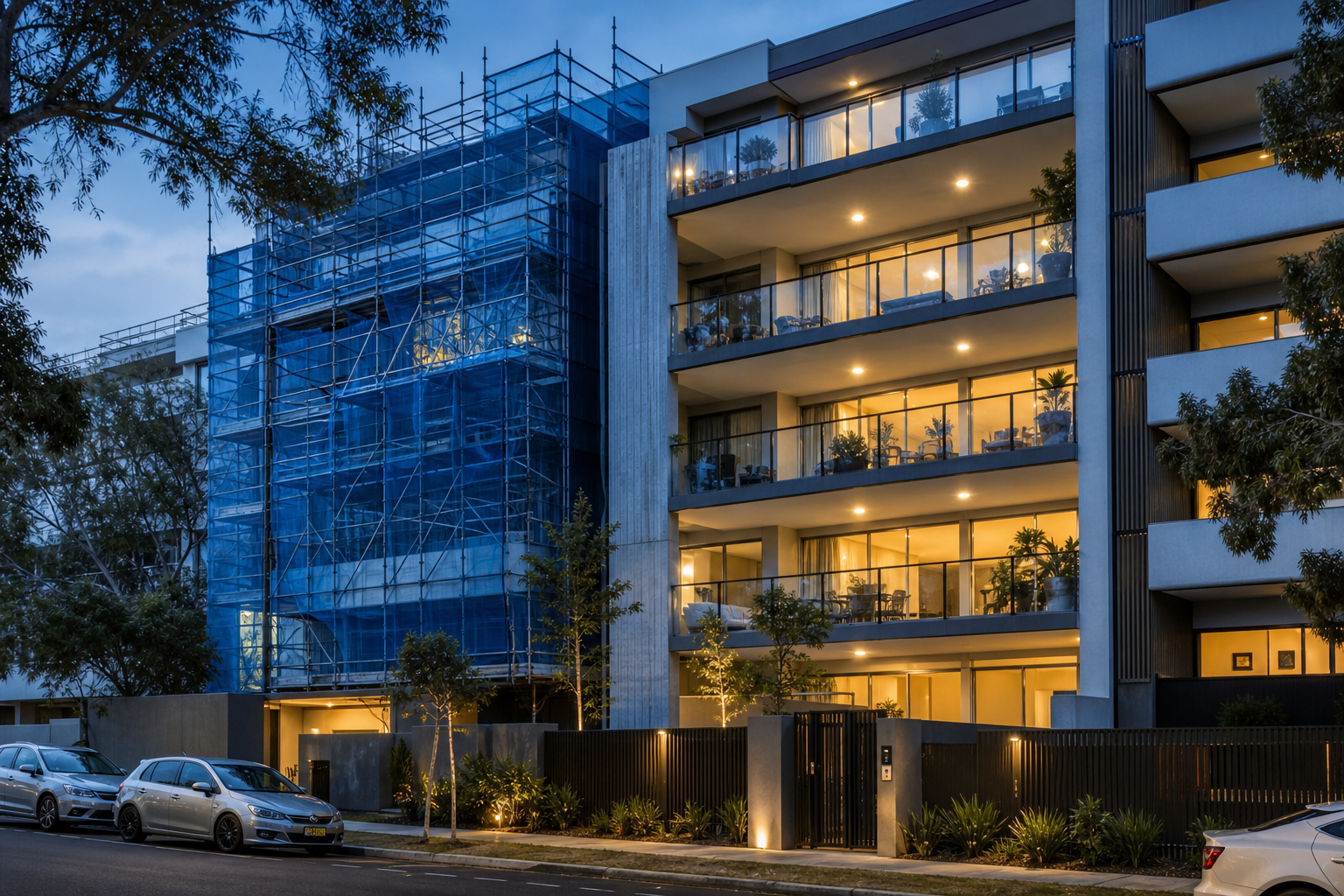
Some buildings, developers and strata schemes quietly end up on lender “avoid” lists, and a nearby broker will often know this long before you do.
That local history can be the difference between a smooth approval and a last‑minute loan collapse, especially for apartments, mixed‑use and newer developments.
Here’s how to use it this week.

The main red flags local brokers watch for
A suburb‑savvy broker tracks patterns across many clients, valuers and lenders.
They start to see the same addresses and developer names popping up with problems.
Common red flags:
-
Major defect or cladding histories
– Combustible cladding or serious water ingress.
– Remedial works running into the millions.
– Insurers hiking premiums or refusing cover. -
Developer and builder issues
– Projects delivered late with lots of variations and defects.
– Builder or developer insolvency on previous buildings.
– Aggressive rental guarantees or furniture packages used to prop up valuations. -
Strata financial stress
– Tiny or non‑existent sinking fund versus the age of the building.
– Special levies every year to plug gaps.
– Large unpaid levies, suggesting owner distress. -
Legal disputes and governance problems
– Ongoing litigation with the builder, council or individual owners.
– Dysfunctional or “captured” strata committees.
– Disputes over by‑laws that may affect use (short‑stay, pets, parking).
These issues don’t just make living there painful.
They can make lenders nervous, crush valuations and trap you if you need to sell.
For a broader view of how brokers use risk insight (not just approvals), see /insights/local-broker-insight-manage-risk-not-just-approval.
The strategy continues below
You've seen the problem and the groundwork — now unlock the exact steps our CPA-certified brokers use, including 4 more sections. Enter your email for instant, free full access.
Free access. No spam — unsubscribe anytime. Your details stay confidential.
Frequently asked questions
How do I know if a building is on a lender blacklist?▾
Is it still worth buying in a building with known defects?▾
What should I ask my broker before bidding at auction?▾
Speak with a specialist advisor
Confidential consultation, bespoke advice for your situation.