Article
Choosing Mascot Townhouses or Houses: How Loans Differ From Apartments
Buying near Mascot? Here’s how borrowing for townhouses and houses in suburbs like Eastlakes and Pagewood differs from financing a Mascot apartment, and what it means for your LVR, valuation risk and lending options this week.
Key Takeaway
Borrowing for Mascot-area townhouses and houses is usually easier than for high-density apartments because lenders see land-backed properties as lower risk, often allowing up to 90–95% LVR versus tighter limits on small or mixed-use units. Around 28.2% of Australian mortgage holders are already ‘At Risk’ of stress, so buyers should still stress-test repayments at current rates plus 3% and keep total home and investment repayments under 30–35% of after-tax income. The key action is to run side-by-side numbers on house vs apartment borrowing before committing to a property type.
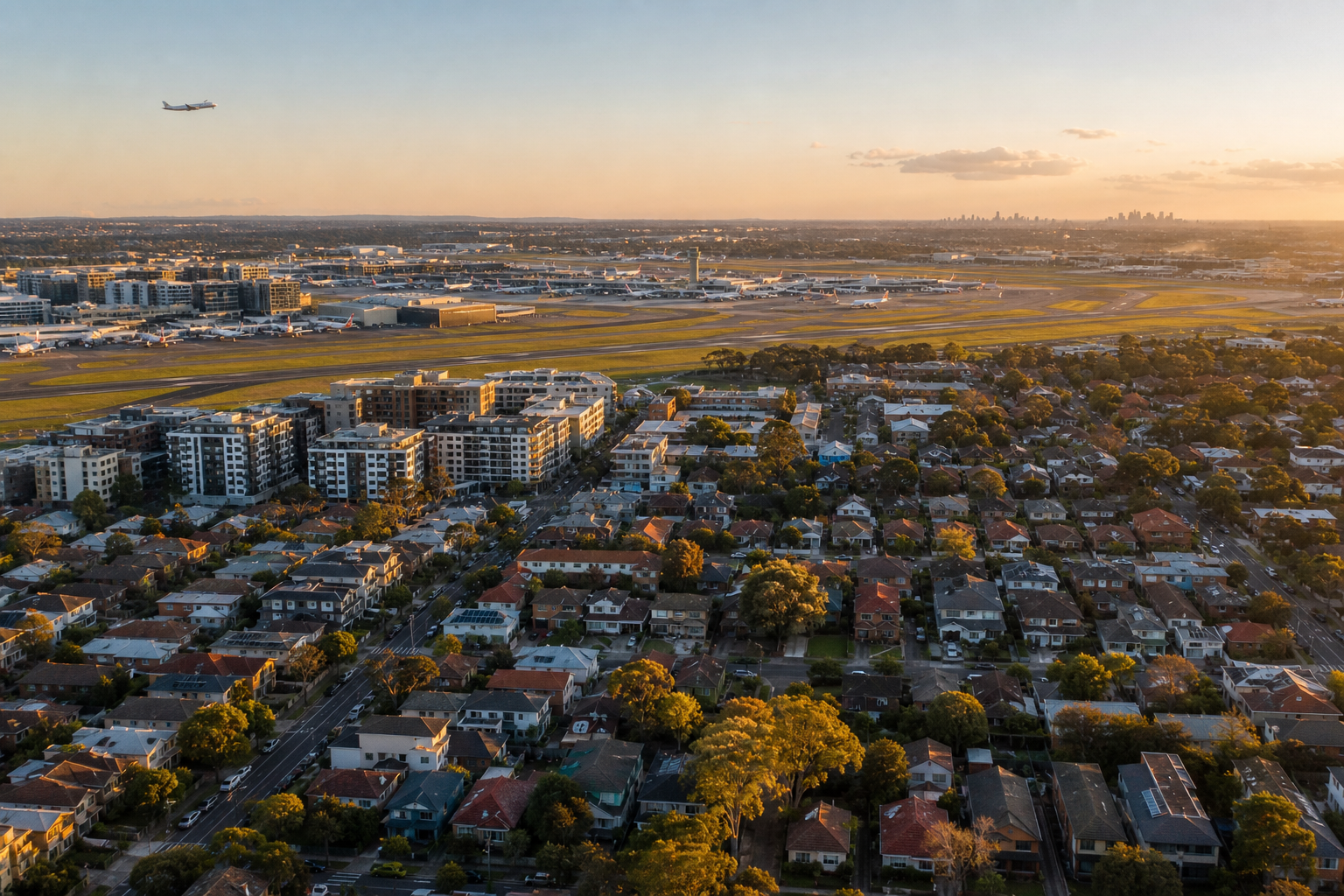
Buying around Mascot and wondering whether a townhouse or house will be easier to finance than an apartment? For most lenders, townhouses and houses with good land value in Mascot, Eastlakes and Pagewood are lower‑risk security than high‑density units, so you’ll often get more lender options, potentially higher LVRs and fewer valuation surprises than with apartments.
This guide shows how banks really look at Mascot townhouses and houses versus units, so you can choose a property type and borrowing plan you can act on this week.
1. How lenders see townhouses and houses vs Mascot apartments
1.1 Core lending differences
Lenders price and approve loans based on risk. Around Mascot, that risk comes down to:
- Land value versus building value
- Property type and density
- Location issues: aircraft noise, easements, zoning
- Valuation volatility in big apartment complexes
In practice, that means a Mascot townhouse or freestanding house in nearby streets, or in Eastlakes/Pagewood, usually ticks more boxes than a high‑density unit in a 200‑apartment block over retail.
1.2 Typical lending settings (indicative only)
| Factor | Mascot high‑density apartment* | Townhouse near Mascot | House Eastlakes/Pagewood |
|---|---|---|---|
| Max LVR (OO, mainstream) | 80–90% often capped; tighter on small units | Up to 90–95% if strong income | Up to 90–95% if standard block |
| Valuation variance risk | Higher (many comparables, incentives) | Moderate | Lower if solid sales evidence |
| Lender choice | Some credit policy exclusions | Broad panel | Broadest panel |
| LMI appetite at high LVR | Can be cautious | Generally better | Generally better |
| Sensitivity to mixed‑use/retail | High | Moderate | Low (if purely residential) |
*Especially if <50–60 m² internal or over busy retail.
Loans are always assessed under APRA’s 3% buffer, so your repayments must pass at current rates plus at least 3%, regardless of property type.
2. Land value, zoning and aircraft noise: what shifts between houses, townhouses and units
2.1 Land value: why houses often win
With a freestanding house or traditional duplex near Mascot, more of the price sits in the land. Lenders generally prefer this, because land doesn’t date like a 2015‑era fit‑out.
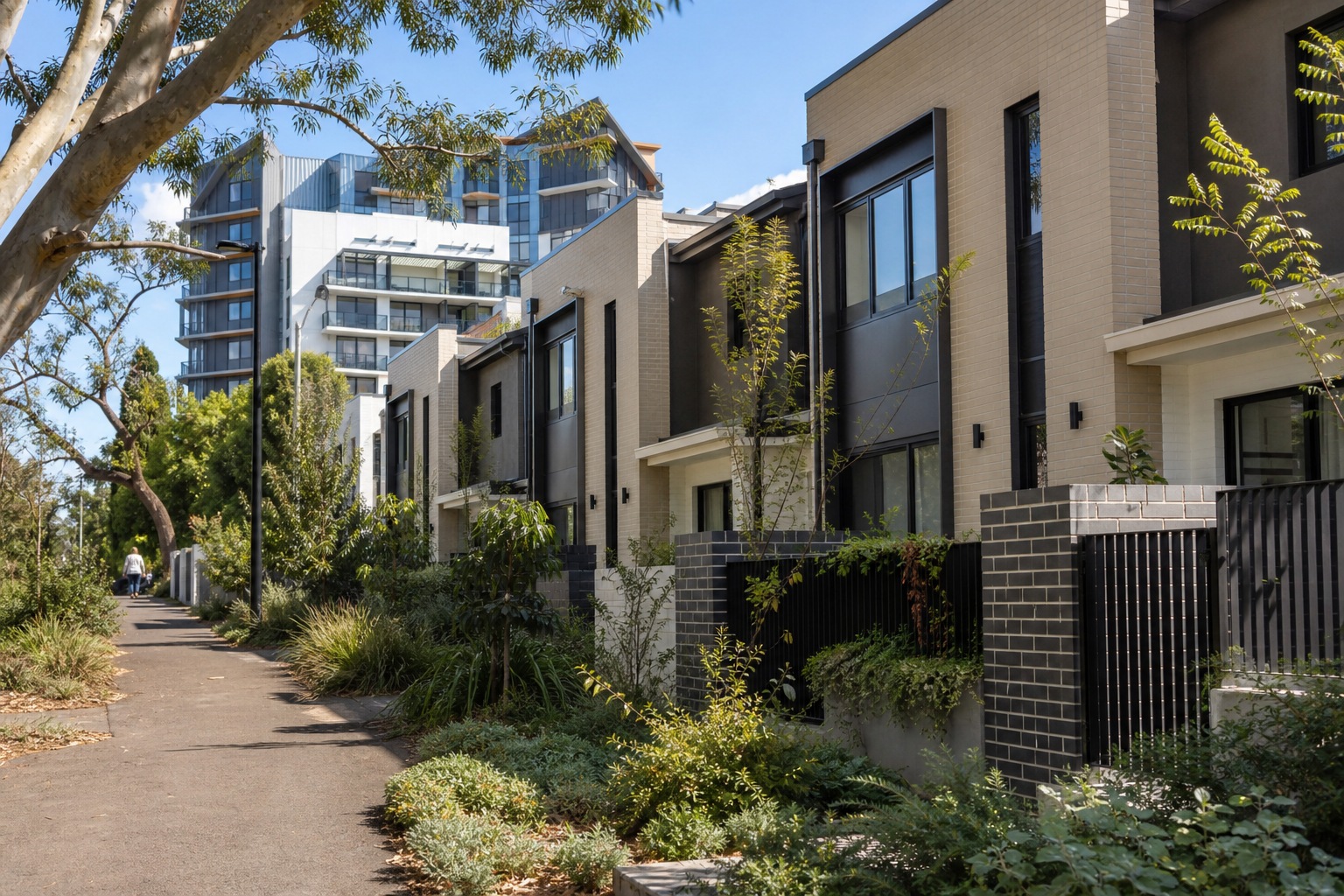
Townhouses sit between houses and units. You own a defined lot (often strata or community title) with some land and private open space, but density is still higher than detached houses.
Mascot apartments, especially in very large complexes, can see:
- Heavy developer incentives baked into original pricing
- More volatile resale values when many identical units hit the market
- Tight valuations when buyers try to refinance away from builder finance (see /insights/switching-from-developer-lender-to-long-term-mascot-mortgage).
2.2 Zoning and local overlays
Around Mascot, Eastlakes and Pagewood, lenders pay attention to:
- Zoning – standard R2/R3 residential is usually fine; anything mixed‑use, business or special purpose needs closer reading.
- Easements – drainage or right‑of‑way easements are common. Heavy easements eating into a small townhouse courtyard can affect value.
- Flood and overland flow – pockets near watercourses or low‑lying streets can trigger conservative valuations.
Aircraft noise contours also shape how some banks see Mascot properties. A townhouse or house just one or two streets further from the flight path may help valuation and resale, even if borrowing rules are technically similar.
The strategy continues below
You've seen the problem and the groundwork — now unlock the exact steps our CPA-certified brokers use, including 5 more sections. Enter your email for instant, free full access.
Free access. No spam — unsubscribe anytime. Your details stay confidential.
Frequently asked questions
Do banks prefer a townhouse or a Mascot apartment?▾
Is it easier to get a 90–95% home loan on a house near Mascot?▾
How does aircraft noise affect home loan approvals around Mascot?▾
Are townhouses more costly to hold than units around Mascot?▾
Should I sell my Mascot apartment before upgrading to a townhouse?▾
Speak with a specialist advisor
Confidential consultation, bespoke advice for your situation.