Article
Financing New vs Used Equipment: What Australian Lenders Allow
Thinking about financing new or second-hand equipment? This guide breaks down what Australian lenders like, what they avoid and the age, condition and policy rules to check before you sign a contract.
Key Takeaway
Australian lenders finance both new and used equipment, but they tighten terms as assets age, often capping total age at 10–15 years for vehicles and standard machinery. New assets typically qualify for up to 100% finance, longer terms and lower rates, while older or specialised equipment may need a deposit, valuation and extra security. Business owners should match asset age to loan term, check indicative age limits, and structure finance to protect both cashflow and home loan borrowing power.
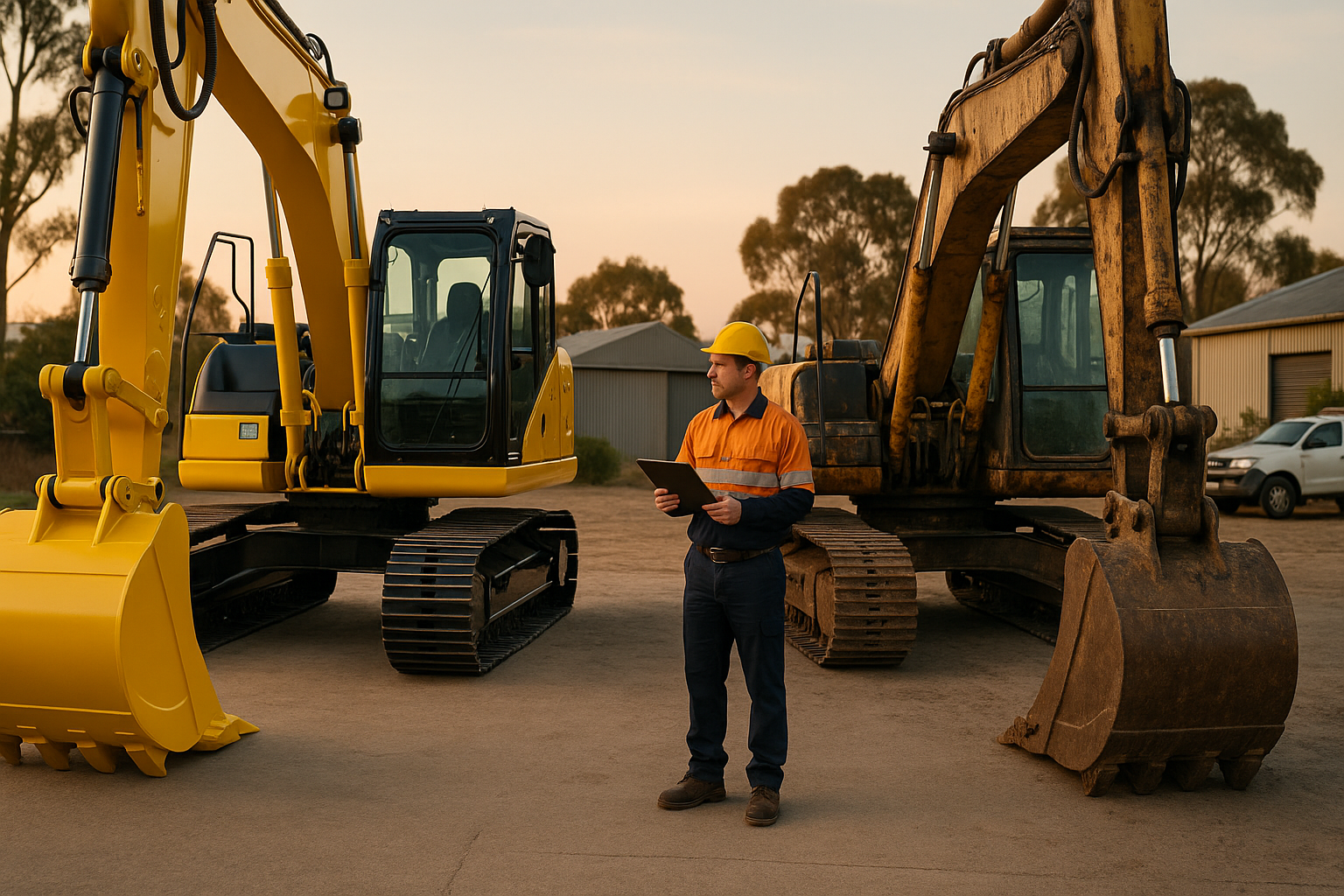
Australian lenders will finance both new and used equipment, but the rules change once an asset gets older, higher‑kilometre or hard to resell. New gear usually gets higher loan‑to‑value ratios (often up to 100% of the purchase price), longer terms and sharper pricing. Used or second‑hand equipment can still be funded, but lenders tighten age limits, terms and conditions, and some assets simply fall into the “no” bucket.
This guide gives you a decision‑grade, plain‑English view of what lenders will and won’t finance for new vs used equipment, and what you can do this week to move forward with confidence.

1. Quick answer: when new vs used equipment works best
If you only read one section, make it this.
New or near‑new equipment usually makes sense when:
- You want maximum funding (often up to 100% for standard assets).
- You need the longest possible term to smooth cashflow.
- Downtime, reliability and warranty support are critical.
- The asset will clock serious kilometres/hours (trucks, excavators, utes).
Used or second‑hand equipment can make sense when:
- You can buy a quality asset at a meaningful discount to new.
- The asset is still well within its effective working life.
- You’re comfortable with a shorter term and possibly a higher rate.
- You have some cash to contribute if the lender won’t fund 100%.
Where lenders often say “no” or “only with strong backing”:
- Very old vehicles or machinery where total age at end of term is too high (often 10–15 years max for standard assets, sometimes less for tech).
- Obsolete, hard‑to‑resell or highly customised equipment.
- Assets with poor condition, missing history, or non‑compliant modifications.
For a refresher on how lenders assess your business and the asset overall, see Your practical guide to equipment finance eligibility in Australia.
2. How lenders think about new vs used equipment
2.1 The risk lens: value, re‑sale and working life
For equipment finance, lenders care about three practical questions:
- Can your business comfortably afford the repayments? Serviceability is based on actual cashflow after expenses and owners’ drawings, not just turnover (see /insights/equipment-finance-basics-eligibility).
- How long will this asset reliably earn income? Terms usually follow the asset’s effective working life – commonly 3–7 years for vehicles and standard machinery.
- If it all goes wrong, what could the lender sell the asset for? This is where new vs used, condition and age really matter.
New gear is easier to sell, has a clearer value and is less likely to break down. Older or heavily used equipment is harder to value and re‑sell, so lenders protect themselves by:
- Reducing the maximum term.
- Requiring a deposit or extra security.
- Charging a higher rate to reflect higher risk.
2.2 Terms aligned to total age, not just loan start
One of the most important – and often misunderstood – rules: lenders usually look at total age at the end of the term, not just age at purchase.
Example:
- You’re buying a 7‑year‑old truck.
- Lender’s policy: maximum 12 years total age at the end of the term.
- That means the longest term they’ll offer is 5 years (7 + 5 = 12).
For a near‑new truck (say 1 year old), the same lender might offer a 6–7 year term because total age at expiry still fits their comfort zone.
3. What lenders like funding: new and near‑new assets
3.1 Typical rules for new equipment
While every lender is different, new or near‑new assets often share these settings (indicative only):
- Age at purchase: brand new to 2 years.
- Maximum term: 5–7 years for standard vehicles and machinery.
- Funding: up to 100% of the purchase price for established, profitable businesses.
- Security: the asset itself is usually enough for mainstream items.
- Seller: dealer sales are simplest; some lenders also accept private sales with extra checks.
This is why many businesses will push for new gear even if the sticker price is higher: the combination of longer term, higher LVR and sharper pricing can keep repayments very manageable.
3.2 Examples of “easy” new equipment
Lenders are generally comfortable with new or near‑new:
- Work vehicles – utes, vans, light trucks.
- Heavy vehicles – prime movers, tippers, rigid trucks.
- Yellow goods – excavators, loaders, skid steers.
- Standard manufacturing machinery.
- Medical and dental equipment from recognised brands.
If you’re weighing up vehicle options specifically, it’s worth reading Smart vehicle finance options for tradies and small businesses alongside this guide.
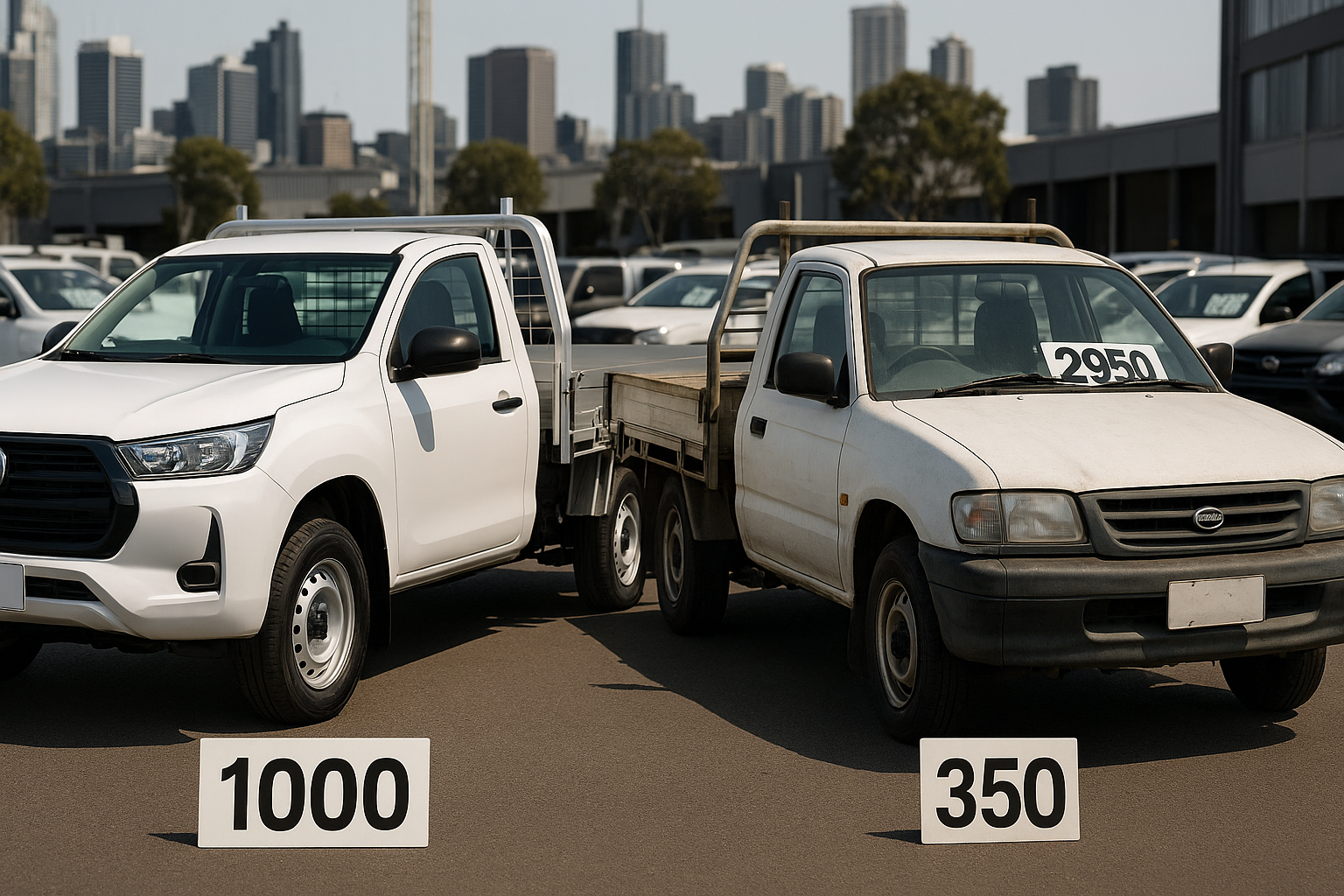
3.3 Worked example: new ute vs used ute
Assume you’re comparing:
- New ute from a dealer – $60,000 inc GST.
- Used ute (4 years old) – $35,000 private sale.
Indicative finance assumptions only:
- New ute: 6‑year term, 7.5% p.a. rate, 0% deposit.
- Used ute: 4‑year term (asset will be ~8 years old at expiry), 9.5% p.a. rate, 10% deposit required.
Approximate repayments:
- New ute: $60,000 over 6 years @ 7.5% ≈ $1,031/month.
- Used ute: $31,500 financed (after 10% deposit) over 4 years @ 9.5% ≈ $788/month.
The used ute is cheaper per month and overall, but the shorter term and deposit requirement may strain cashflow if your business is tight. The new ute’s longer term and 100% funding might be more attractive even though you pay more interest in total.
The strategy continues below
You've seen the problem and the groundwork — now unlock the exact steps our CPA-certified brokers use, including 7 more sections. Enter your email for instant, free full access.
Free access. No spam — unsubscribe anytime. Your details stay confidential.
Frequently asked questions
Can I get 100% finance for used equipment?▾
What is the maximum age lenders will finance for used equipment?▾
Will banks finance equipment bought privately instead of from a dealer?▾
Can a new business get finance for second‑hand machinery?▾
Is it better to use a balloon on new or used equipment?▾
Does equipment finance affect my home loan borrowing capacity?▾
Speak with a specialist advisor
Confidential consultation, bespoke advice for your situation.