Article
How add‑backs and normalising adjustments can lift your borrowing
Normalising adjustments (add‑backs) let lenders use a higher income than your taxable profit by reversing non‑cash, one‑off and certain discretionary expenses. Used correctly, they can materially increase your assessed income and borrowing capacity without changing your tax returns.
Key Takeaway
Normalising adjustments, or add-backs, increase a borrower’s assessed income by reversing non-cash, one-off, or discretionary expenses in their financials, such as depreciation, certain interest, and abnormal costs. In Australia, this can lift usable income by $30,000–$60,000 a year for some self-employed borrowers, significantly boosting borrowing capacity under APRA’s 3% serviceability buffer. Working with an accountant and broker to identify lender-acceptable add-backs is a practical step borrowers can take before applying.

This topic is covered in full on Local Knowledge Finance
Normalising adjustments (add‑backs) let lenders use a higher income than your taxable profit by reversing non‑cash, one‑off and certain discretionary expenses. Used correctly, they can materially increase your assessed income and borrowing capacity without changing your tax returns.
Read the full guide on localknowledge.financeNormalising adjustments (or “add‑backs”) are the adjustments lenders make to your tax returns to work out your real, sustainable income for a home or business loan. Instead of just using taxable profit, they add back certain non‑cash, one‑off or clearly discretionary expenses. Done properly, this can materially increase your assessed income – and your borrowing capacity – without changing your lodged returns.
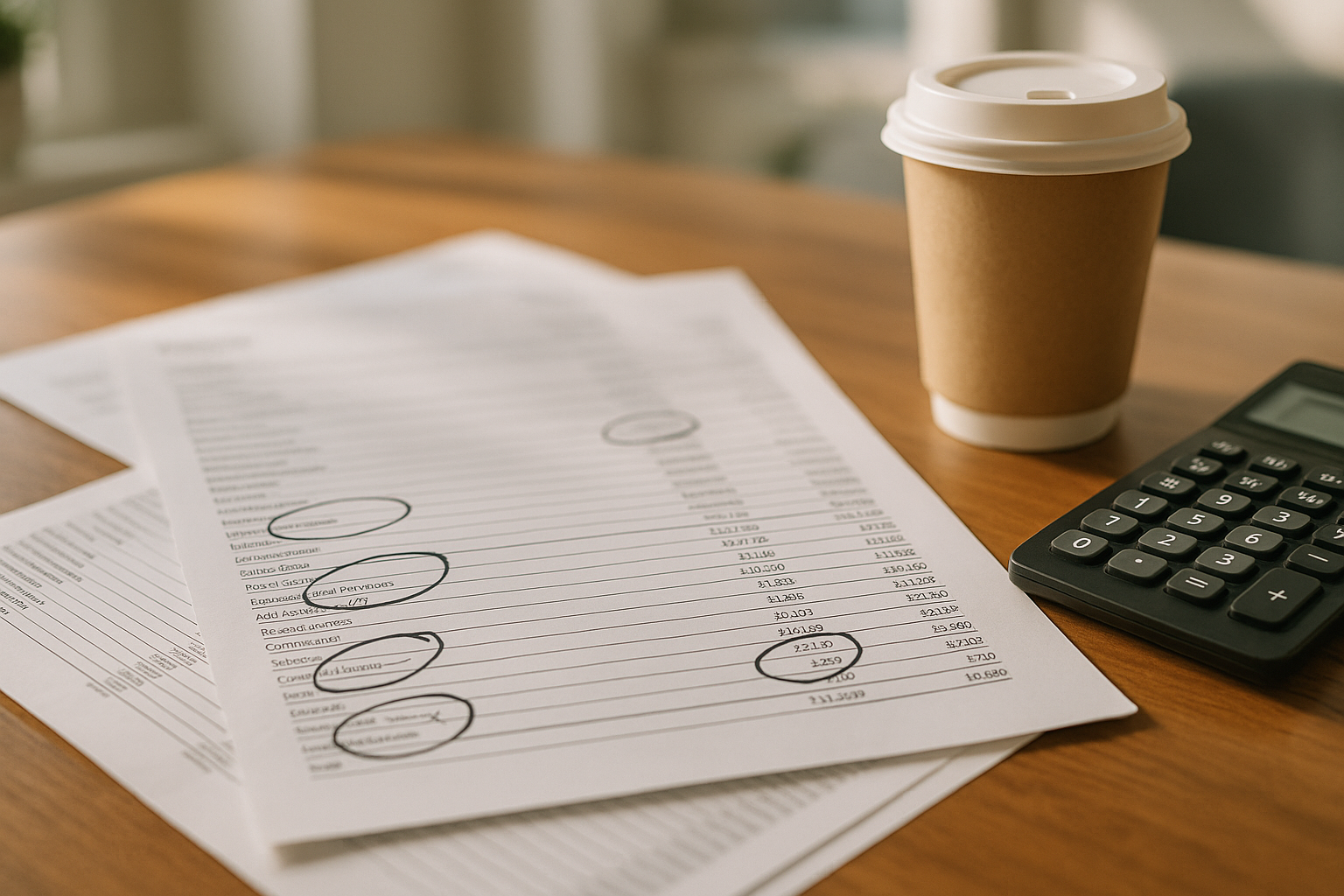
What are normalising adjustments – and why do lenders use them?
Normalising adjustments are corrections that turn your tax‑effective numbers into bank‑friendly numbers. The goal is to show what your income would look like in a normal year, if you stripped out:
- Non‑cash accounting entries (like depreciation).
- One‑off or abnormal expenses.
- Some owner decisions (like voluntary extra super).
Tax planning vs borrowing power
Tax law pushes you to minimise taxable income. Lenders want evidence you can comfortably repay a loan, even with APRA’s ~3% serviceability buffer on top of the actual interest rate.
That tension is why aggressive tax minimisation can hurt borrowing power, sometimes more than the tax saved (see /insights/home-loans-high-income-self-employed-professionals). Normalising adjustments help bridge the gap without rewriting tax returns.
Where normalising adjustments appear
For self‑employed and small business owners, add‑backs are typically made to:
- Company or trust financial statements.
- Your personal tax return (particularly rental schedules and business income).
Lenders start from your net profit (or taxable income) then add back eligible items to arrive at assessable income. Each lender has a policy list of what they will and won’t accept.
The strategy continues below
You've seen the problem and the groundwork — now unlock the exact steps our CPA-certified brokers use, including 4 more sections. Enter your email for instant, free full access.
Free access. No spam — unsubscribe anytime. Your details stay confidential.
Frequently asked questions
What are normalising adjustments for a home loan?▾
Which expenses can usually be added back to boost income?▾
Can I add back my personal drawings and living expenses?▾
Do normalising adjustments change my tax or require amended returns?▾
How much can add-backs increase my borrowing power?▾
Speak with a specialist advisor
Confidential consultation, bespoke advice for your situation.