Article
Personal loans vs BNPL vs vendor finance for solar: real costs
Thinking about ‘interest free’ solar? This guide compares personal loans, BNPL and vendor finance for Australian solar buyers, with clear pros, cons and traps so you can choose safely this week.
Key Takeaway
This article explains how personal loans, buy now pay later (BNPL) and vendor finance for solar differ in cost, risk and impact on future borrowing, with emphasis on Australian conditions. It notes that vendor finance often embeds higher credit costs in inflated system prices and platform fees, and that BNPL can reduce borrowing power for a later home loan even when repayments are small. Readers are urged to compare total cost over the full term and keep solar borrowing within a 5–10 year window.
Watch the short answer
Can you rely on an online pre‑approval certificate?
Watch how online pre‑approvals differ from a fully checked loan assessment.
Read the transcript
An online pre-approval certificate generated by a banking app isn't worth the paper it's printed on. It's an automated guess, not a guarantee. With the spring property rush around the corner, you need a fully assessed credit pipeline that stands up under auction pressure. Don't risk your deposit on a glitchy algorithm. DM me 'SECURE' to get your file fully credit vetted by our team this week.
General information only, not personal advice. Your situation is assessed before any recommendation.
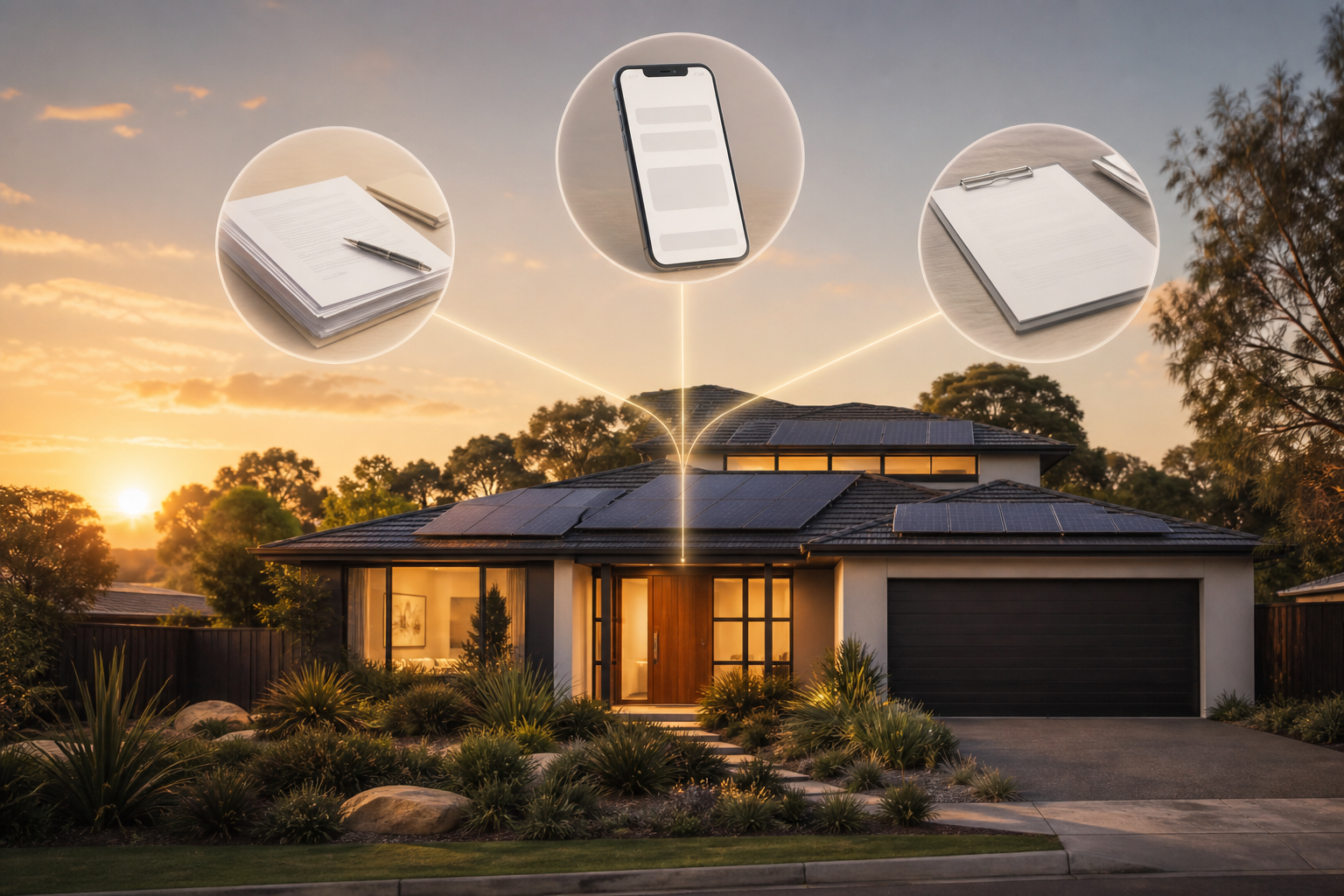
Thinking about using a personal loan, buy now pay later (BNPL) or installer “interest‑free” deal to get solar on your roof?
In Australia, personal loans are usually the safest of these three, BNPL is the riskiest for your future borrowing power, and vendor finance often looks cheap but hides high effective interest in the system price and platform fees. The right choice depends on your cashflow, home loan plans and how disciplined you are with debt.
Fast answer: If you expect to refinance, buy another property or borrow for business in the next 2–3 years, avoid BNPL and be very cautious with vendor finance. A transparent, fixed‑term personal loan (or a properly structured home‑loan option) is usually cleaner and easier to compare.

1. The three main ways to finance solar without touching your home loan
1.1 Personal loans for solar
A personal loan is a fixed‑term loan (usually 3–7 years) with a set interest rate and repayments. It’s often unsecured, sometimes secured against the solar system or a vehicle.
Pros
- Clear term and repayment schedule.
- Easy to compare between banks and non‑bank lenders.
- Keeps solar debt separate from your home loan.
Cons
- Higher interest rates than home loans (often 9–15% p.a., indicative only).
- Fees can vary and add to the real rate.
- Lower maximum amounts than home‑loan top‑ups.
A short, fixed term that roughly matches the system’s useful life (say 5–10 years) is a big plus; it stops you dragging solar debt out for 25–30 years. This aligns with the principles in structuring solar borrowing.
1.2 BNPL for solar panels and batteries
BNPL platforms now fund some solar installs in instalments (e.g. 12–60 months) with “zero interest” but fixed fees.
Pros
- Fast approvals, minimal paperwork.
- Small, fixed instalments can feel manageable.
- Often promoted as “no interest” or “no credit check” (but there is nearly always an internal assessment).
Cons
- Fees can mimic high interest when you annualise the cost.
- Late fees and missed payments can escalate quickly.
- All facilities typically show on your credit report and reduce your borrowing power.
Even if repayments are only $40–$80 a week, lenders must factor them into serviceability under APRA’s 3% buffer, which can materially reduce how much you can borrow for a home or business loan.
1.3 Vendor or installer‑arranged solar finance
Vendor finance is where the solar company arranges a finance facility – often branded, sometimes via BNPL or a specialist platform.
Pros
- One “package”: quote, install, finance handled together.
- Teaser offers (e.g. 24 months interest‑free) can look attractive.
- May suit households who cannot access mainstream bank credit.
Cons
- The real cost of credit is often hidden in higher system prices and platform fees.1
- Teaser rates commonly revert to high interest after the promo period.
- Contracts can be complex and hard to exit early.
Before signing anything, read Spotting Dangerous Solar Finance Red Flags Before You Sign. It walks through teaser structures and contract clauses you must understand.
Footnotes
-
Vendor or installer‑arranged solar finance frequently embeds the real cost of credit in higher system prices and platform fees rather than in the advertised interest rate. ↩
The strategy continues below
You've seen the problem and the groundwork — now unlock the exact steps our CPA-certified brokers use, including 5 more sections. Enter your email for instant, free full access.
Free access. No spam — unsubscribe anytime. Your details stay confidential.
Frequently asked questions
Is a personal loan or BNPL better for solar in Australia?▾
Are “interest‑free” solar deals really interest free?▾
Will BNPL for solar stop me getting a home loan?▾
Is vendor finance for solar ever a good idea?▾
Should I wait and pay cash for solar instead of borrowing?▾
Speak with a specialist advisor
Confidential consultation, bespoke advice for your situation.