Article
Decoding Rose Bay Property Types and Lending Rules This Year
A practical, decision‑grade guide to how banks see different Rose Bay property types – from Art Deco apartments to harbourside homes and small commercial spaces – and what that means for your borrowing this week.
Key Takeaway
This guide explains how Australian lenders treat different Rose Bay property types and the lending rules that apply, from Art Deco apartments to harbourside prestige homes and small commercial spaces. It notes that well‑maintained older blocks can be easier to finance than defect‑risk new builds and that harbourside prestige properties may be capped at 60–70% LVR. The key actionable insight is to align pre‑approval, lender choice, and valuation checks to the specific blocks and streets you’re targeting before you make offers.
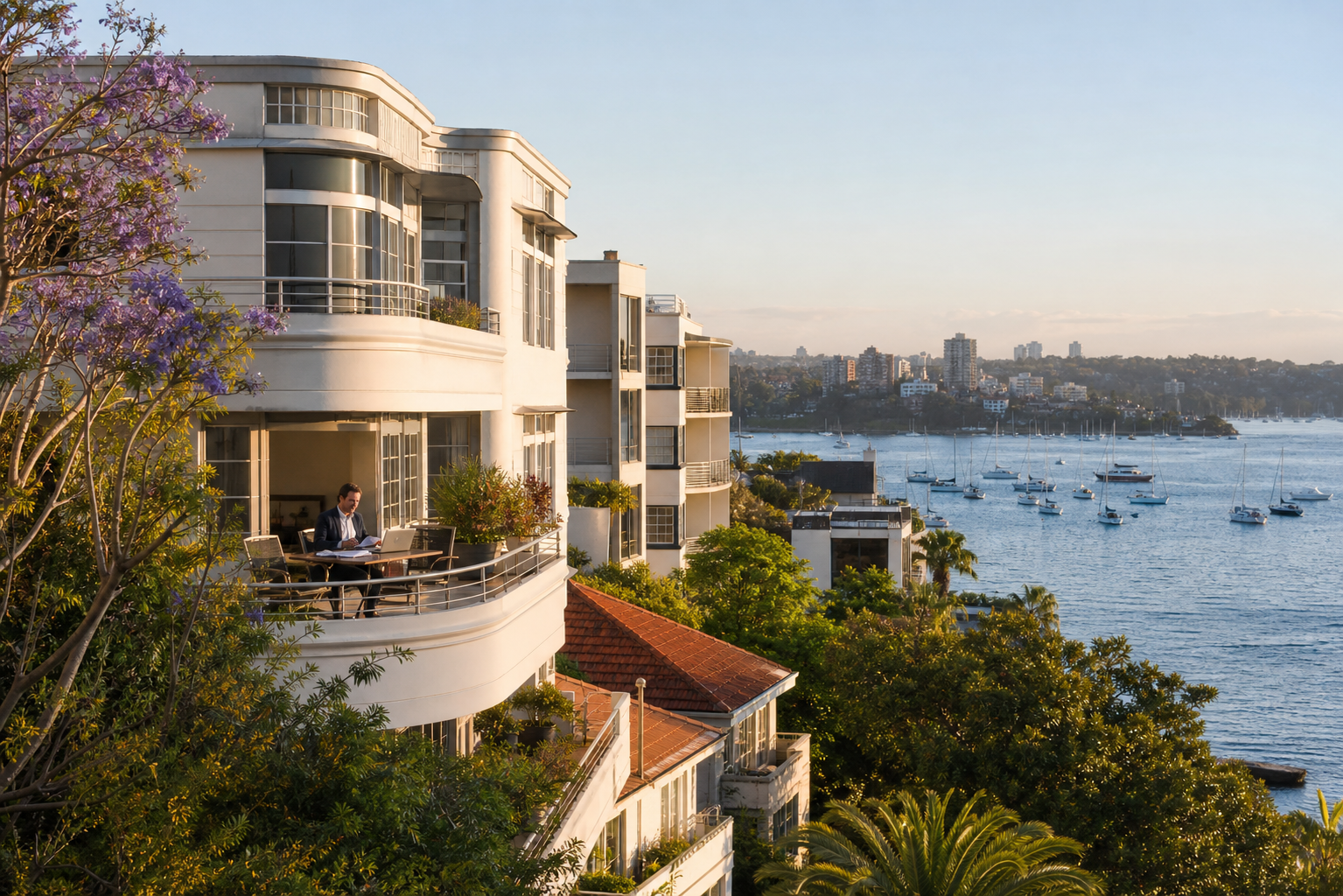
Buying, refinancing or investing in Rose Bay isn’t just about picking a nice property and hoping the bank says yes. Different local property types – Art Deco walk‑ups, small strata blocks, harbourside homes, mixed‑use buildings – are all treated differently by lenders, with distinct rules on LVR, valuations, strata, income and risk.
If you understand how banks categorise Rose Bay properties and the lending rules that follow, you can: (1) target blocks and streets your borrowing profile actually suits; (2) avoid nasty valuation surprises; and (3) negotiate with confidence this week, not after finance falls over.
1. How lenders see Rose Bay in one glance
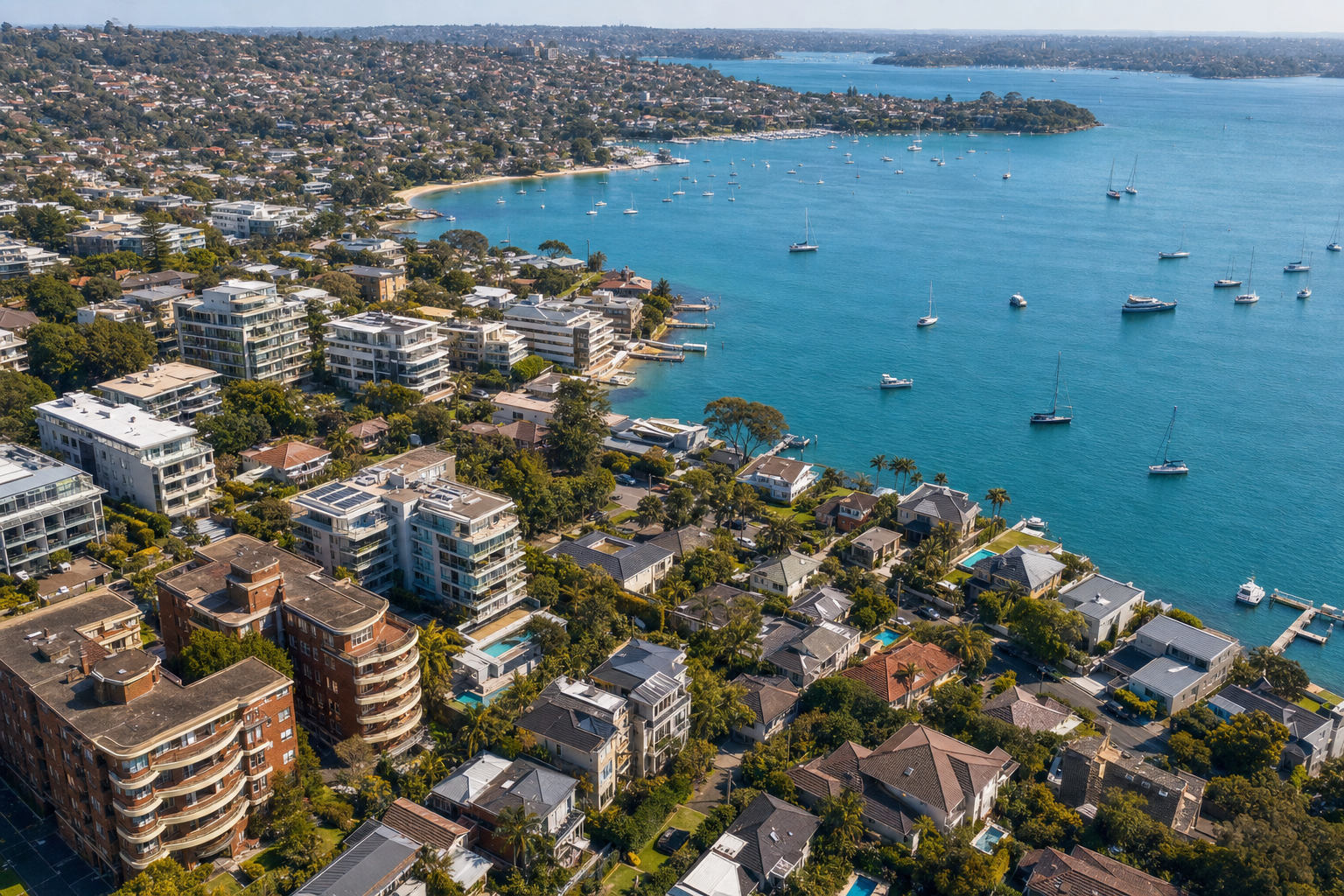
From a bank’s perspective, Rose Bay sits in a high‑income, high‑price, low‑risk LGA (Woollahra) with strong demand and limited land. That’s positive for finance, but it also means large loan sizes, tight serviceability and closer scrutiny of certain building types.
Key features that shape lending decisions:
- High property and rent levels – Woollahra’s 2021 median rent was $695 per week versus $470 Greater Sydney, signalling strong rental backing and investor interest.
- A lot of medium and high‑density housing – especially older Art Deco and mid‑century blocks plus pockets of newer apartments.
- Large share of professionals and self‑employed – great incomes, but often complex for serviceability and documentation.
- Prestige waterfront and harbourside pockets – sometimes treated as “luxury” or “specialised security” with tighter LVR caps.
In practice, this means:
- Standard houses and mainstream apartments in solid blocks are usually easy to fund at up to 80–90% LVR (sometimes higher with LMI, depending on your profile).
- Very high‑value, harbourside, or quirky properties can face lower LVRs, tougher valuations and a smaller pool of lenders.
- Small apartments, mixed‑use and commercial stock (shops, suites) are often assessed under stricter rules than a typical home.
The rest of this guide unpacks each property type and what you can do this week to line up the right finance.
The strategy continues below
You've seen the problem and the groundwork — now unlock the exact steps our CPA-certified brokers use, including 7 more sections. Enter your email for instant, free full access.
Free access. No spam — unsubscribe anytime. Your details stay confidential.
Frequently asked questions
Are older Art Deco blocks in Rose Bay harder to finance than new builds?▾
Will a very small Rose Bay apartment hurt my borrowing options?▾
Do banks treat harbourside Rose Bay homes differently?▾
How does being self-employed affect my ability to buy in Rose Bay?▾
Can I use a standard home loan to buy a Rose Bay shop or mixed-use property?▾
How can I avoid my pre-approval collapsing on a specific Rose Bay property?▾
Speak with a specialist advisor
Confidential consultation, bespoke advice for your situation.