Article
Safely Using 66W, Short Settlements and 5% Deposits in Dover Heights
How to use 66W certificates, short settlements and 5% deposits safely in Dover Heights, without blowing up your finance approval or settlement.
Key Takeaway
This article explains how to safely use 66W certificates, short settlements and 5% deposits in Dover Heights by aligning finance timing, valuation risk and cash buffers before signing. With around 28.2% of Australian mortgage holders already ‘At Risk’ of stress, misjudging a short settlement or unconditional contract can be costly. Readers learn when these terms are appropriate, red flags to watch for, and a practical checklist to negotiate safer clauses this week.
Watch the short answer
Is Your Accountant Only Looking Backwards at Your Tax Papers?
Thinking about a move but your tax is behind This clip shows how lenders can still assess you.
Read the transcript
If your accountant is still working on your past tax papers, traditional bank branch staff will tell you that you cannot apply for a loan. They're wrong. We use alternative documentation frameworks that allow us to verify your true financial trajectory using your active rolling business bank statements. Don't let backlogged accounting portals freeze your personal wealth. DM me 'ALTDOC' to run your assessment today.
General information only, not personal advice. Your situation is assessed before any recommendation.

Signing a 66W, taking a short settlement or offering a 5% deposit in Dover Heights only makes sense if your finance is already rock‑solid, valuation risk is contained and you have cash buffers for surprises. If any of those three are weak, you’re effectively betting your entire deposit on the deal settling perfectly.
A 66W (NSW) waives the cooling‑off period, so your contract is effectively unconditional on exchange. Short settlements compress the time to get a formal approval and valuation. A 5% deposit magnifies risk if the valuation comes in low and the vendor chases you for losses.
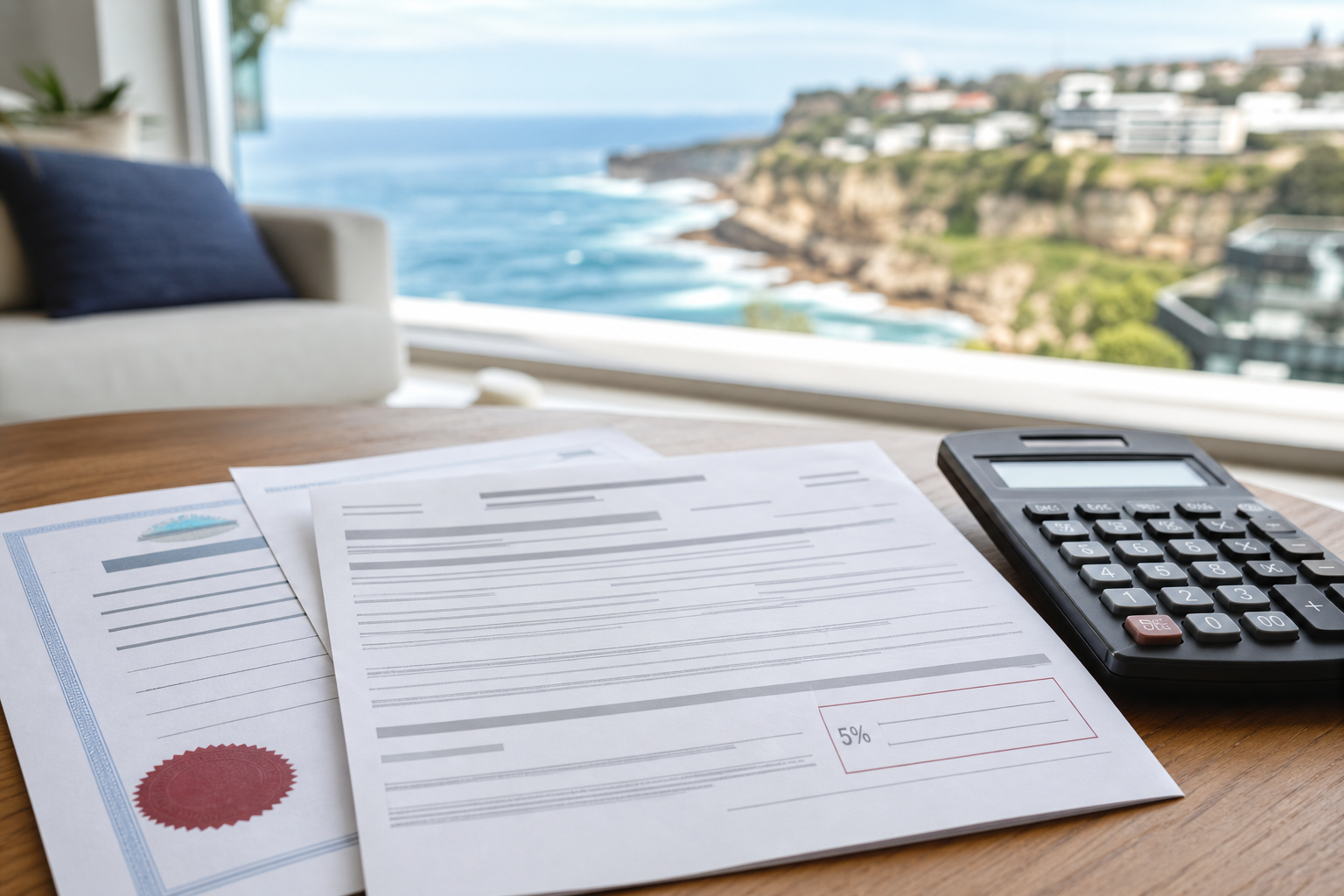
1. What a 66W actually means in Dover Heights
In Dover Heights, a signed 66W is the norm for auctions and common in competitive private treaties. It means:
- No cooling‑off period.
- You cannot walk away for “finance not approved”.
- Your deposit is at risk if you can’t settle.
That’s fine if:
- You have full‑assessment pre‑approval (not an online calculator) from a lender who understands local values.
- The property type and price line up with that lender’s policy.
- Your situation hasn’t changed (income, business, other debts).
It’s dangerous if you’re relying on:
- A verbal “you’ll be fine” from a banker.
- A generic pre‑approval with no credit assessor sign‑off.
- A lender that’s conservative on prestige postcodes.
In Dover Heights, small shifts in valuation can kill a deal. Understanding how valuers behave locally is critical – see /insights/dover-heights-broker-valuers-auction-rhythms for a deeper dive on that piece.
2. Short settlements: when they’re safe, when they’re not
A short settlement in the Eastern Suburbs is usually 21–30 days. Standard is closer to 42 days.
Short settlements can work if:
- Your pre‑approval is fully assessed and recent (ideally < 60 days).
- Your documents are ready: BAS, tax returns, payslips, trust deeds, company financials.
- You’re borrowing at a conservative LVR (e.g. ≤80%) with no LMI.
They’re risky if:
- You’re self‑employed and still finalising accounts.
- You’re pushing to 88–95% LVR with LMI.
- There’s anything unusual: older clifftop house, major works, mixed‑use zoning.
Worked example: 30‑day vs 42‑day settlement
- Purchase price: $3.2m house in Dover Heights.
- Loan: $2.4m (75% LVR), P&I over 30 years.
- Indicative rate: 6.5% p.a. (illustrative only).
Approx monthly repayment ≈ $15,180.
With 42 days, there’s usually enough room to:
- Reorder valuation if the first val is low.
- Pivot to a backup lender if policy issues pop up.
With 30 days, one slow valuation or missing tax return can burn that buffer. You then either negotiate an extension (from a vendor who now has leverage) or risk default.
For bigger upgrades – e.g. moving from an apartment to a house – you’re often juggling two settlements. That extra stress is covered in more detail in /insights/dover-heights-upgrade-apartment-to-house-borrowing-limits-risks.
The strategy continues below
You've seen the problem and the groundwork — now unlock the exact steps our CPA-certified brokers use, including 3 more sections. Enter your email for instant, free full access.
Free access. No spam — unsubscribe anytime. Your details stay confidential.
Frequently asked questions
Is it safe to sign a 66W in Dover Heights with only a basic pre‑approval?▾
Can I really buy in Dover Heights with only a 5% deposit?▾
How short can a Dover Heights settlement safely be?▾
Speak with a specialist advisor
Confidential consultation, bespoke advice for your situation.