Loading the latest on mortgages, RBA & inflation…

Article

Playing With Fire: Short Settlements, 66Ws and 5% Deposits Safely

Eastern Suburbs agents love buyers who sign 66Ws, offer 5% deposits and promise 21‑day settlements. Here’s how to use those levers strategically without blowing up finance, valuation or your buffer.

3 Aug 2026Updated 3 Aug 202610 min read

Key Takeaway

Short settlements, section 66W certificates and 5% deposits can secure harbourside and Eastern Suburbs property deals but materially increase settlement risk if finance, valuation and buffers are not locked down. With roughly 28% of Australian mortgage holders already ‘at risk’ of stress (Roy Morgan, 2026), over-committing on terms can quickly push buyers into hardship. The article outlines practical checks, numeric examples and step‑by‑step sequencing so buyers can negotiate attractive terms without gambling on approval or low valuations.
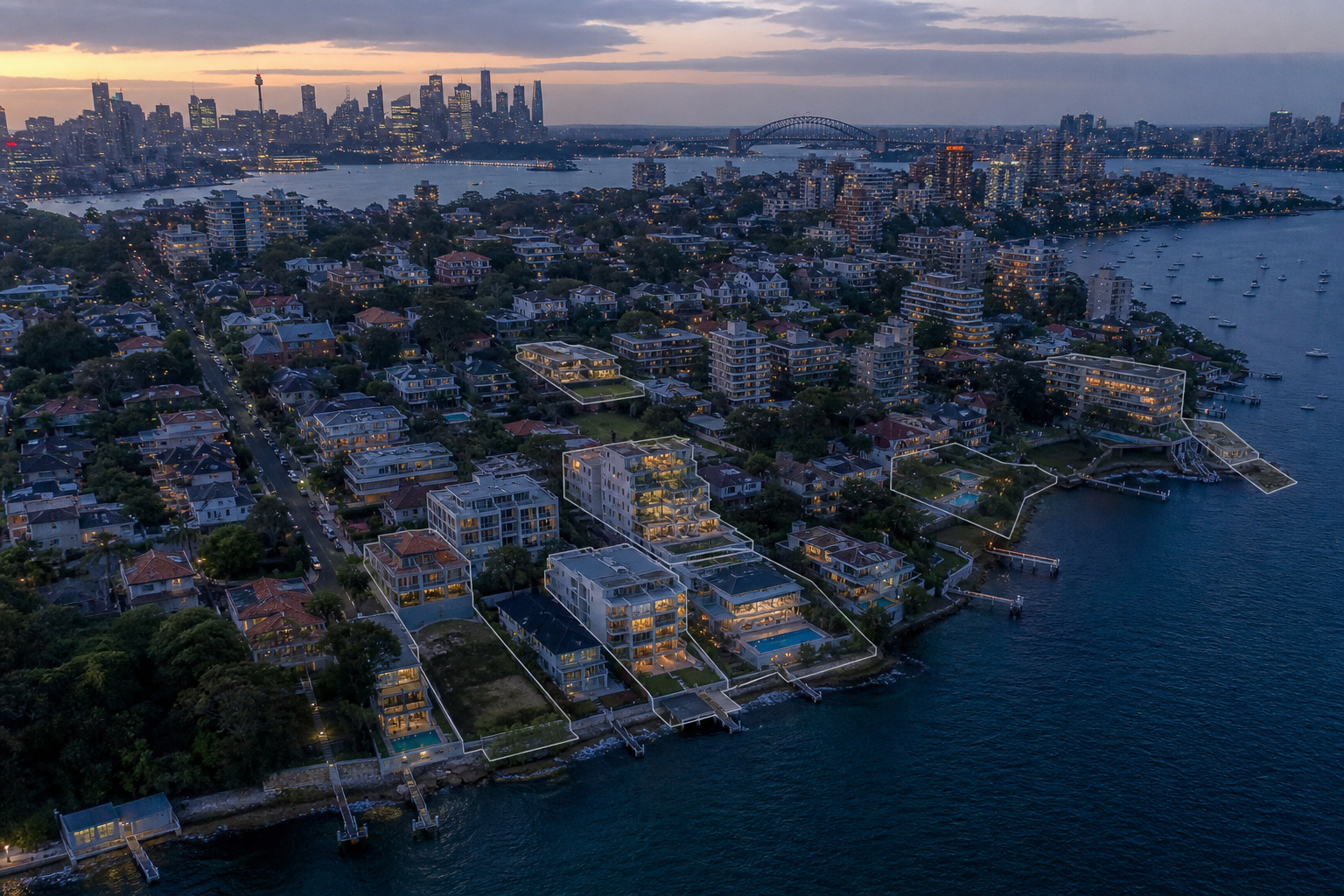
Playing With Fire: Short Settlements, 66Ws and 5% Deposits Safely

Most Eastern Suburbs buyers think the danger is paying too much. In practice, the bigger disasters I see come from signing 66Ws, accepting 21‑day settlements and offering 5% deposits before the finance side is bulletproof. The property is beautiful; the terms quietly load the gun.

In this context, short settlements, section 66W certificates and 5% deposits are not just ‘strong offers’ – they’re risk levers. Used correctly, they can win harbourside deals. Used casually, they create a single‑event failure: one low valuation or slow assessor and your entire plan unravels.

What I tell my clients: you can absolutely play in this space – but only if you’re prepared to walk away when the numbers or timing don’t line up.


What these “sharp terms” really mean in practice

Before you sign anything, it’s worth getting clear on the mechanics.

Short settlements: why agents push them

In Sydney’s East, a “short settlement” usually means 21–28 days from exchange. Standard is often 42 days.

Agents love short settlements because:

  1. The vendor gets certainty and access to funds faster.
  2. It smokes out weaker buyers – they know most can’t settle that quickly.
  3. It signals you’re “finance‑ready”, even if you’re not.

From your side, a short settlement compresses everything:

  • Full approval (if you’re not already there).
  • Valuation and any re‑valuation.
  • Discharge from your current lender if you’re refinancing.
  • Sale of your existing home (if you’re relying on it).

If any of those steps slips, you’re scrambling for bridging finance or breaching the contract.

Section 66W: what you’re actually signing away

A section 66W certificate in NSW is a document your solicitor or conveyancer signs that waives your cooling‑off period. Once it’s exchanged with the contract and deposit, you’re effectively unconditional from day one.

No cooling‑off means:

  • You can’t just change your mind.
  • You can’t walk away if your bank says no tomorrow.
  • Your only real out is if the vendor is in breach, which is rare.

Used well, a 66W can win you a property ahead of a slower buyer. Used badly, it’s agreeing to jump out of the plane before checking the parachute.

5% deposits: why they’re both smart and risky

In harbourside and Eastern Suburbs deals, 5% deposits (instead of 10%) are common.

Pros for you:

  • Less cash tied up at exchange.
  • More cash left in your buffer for renos, moving and life.

Risks:

  • If you default, you’re still liable for losses beyond the 5%.
  • Some vendors and their lenders are nervous about low deposits.
  • Psychologically, buyers often treat 5% as “cheap risk” and over‑commit.

The critical point: deposit size doesn’t cap your downside. If you can’t settle and the property sells for less later, the vendor can pursue you for the shortfall.

NSW property contract showing section 66W and short settlement terms Short settlements and 66Ws can win harbourside deals, but only when the finance side is ready.


Where buyers actually get hurt: three real‑world failure points

The mistake I see most is assuming that pre‑approval plus a friendly banker equals zero risk. In the East, that’s how people end up with breached contracts and frantic family bailouts.

1. Valuation risk in hot harbourside markets

In fast‑moving pockets – think Rose Bay, Vaucluse, Dover Heights – contract prices sometimes run ahead of bank valuations.

Example:

  • Purchase price: $3.5m unit in a tightly held block.
  • Lender’s valuation: $3.3m (they use comparable sales from 3–6 months ago).
  • You planned: 80% LVR → $2.8m loan, $700k cash (20%) plus costs.
  • Bank now lends: 80% of $3.3m = $2.64m.
  • Shortfall: $160k extra cash required at settlement.

On a 21‑day settlement with a 66W signed, you don’t have time to:

  • Shop other lenders.
  • Argue valuations.
  • Re‑structure ownership or gifts/loans from family.

If you don’t have the extra $160k, you’re in breach.

This is why, in harbourside deals, I often pair this article with our finance‑first guides like Fast-Track Finance Moves for Off-Market and Pre-Market Deals in Sydney’s East – the sequencing matters more than the rate.

2. Document and policy risk – especially for self‑employed

Self‑employed buyers are the ones most tempted to “just sign” because the business is going well and their banker is positive.

Risks:

  • Your latest tax return isn’t lodged yet; the bank won’t use projections.
  • ATO debt shows on your portal that wasn’t disclosed.
  • Add‑backs you assumed were fine don’t fit the lender’s current policy.

APRA’s 3% serviceability buffer also bites. You might afford the loan in real life, but the calculator must show you can handle current rate + 3%.

Compress all that into a 21‑day settlement and there is no margin for extra questions, missing docs or a credit officer on leave.

3. Cashflow and buffer risk in a high‑stress environment

Roy Morgan’s research shows about 28.2% of Australian mortgage holders were ‘at risk’ of mortgage stress in early 2026, largely driven by rate rises. In that environment, using your buffer to “be competitive” on terms can be reckless.

If you:

  • Commit to a short settlement,
  • Sign a 66W,
  • Offer 5%,
  • And empty your buffer to make it work…

…you have zero shock absorption for a valuation shortfall, urgent repairs, or another rate rise.

One of the standing rules I use – echoed in Eastern Suburbs Home Loans: Dodging the Classic Buyer Finance Traps – is that you separate your buffer from your deposit and treat it as untouchable.


A safer way to use sharp terms in harbourside deals

You don’t have to sit on the sidelines. You just need a framework that makes your offer strong without gambling on a single lender or assumption.

Step 1: Decide your non‑negotiables before the campaign

Ahead of time, set hard lines:

  • Maximum price (tight, realistic, based on what you’d still be happy with in 12 months).
  • Minimum buffer after settlement (often 3–6 months of total repayments; more for self‑employed).
  • Max LVR you’re comfortable with.

Then ask: “Would I still do this deal at that price with those terms if rates rose another 1–2%?” If not, you don’t sign a 66W on it.

This aligns with building a bigger plan, like I outline in Build a 10–15 Year Property and Mortgage Roadmap for Your Eastern Suburbs Family – your current purchase should fit the roadmap, not blow it up.

Step 2: Get genuinely ‘deal‑ready’, not just pre‑approved

Pre‑approval is necessary but not sufficient for short settlements and 66Ws.

Deal‑ready means:

  • All income docs are current and verified.
  • For self‑employed: latest returns, BAS, and ATO position are clear.
  • You’ve run scenarios with two lender options, not one.
  • Your broker has a quick‑turn valuation option lined up.

For some Eastern Suburbs buyers, this is a 5–7 day sprint before they seriously offer, not something to do after they sign. I walk through that sprint in more detail in Auction finance tactics to beat investors in Sydney’s East.

Step 3: Use terms as a menu, not all‑in chips

Think of settlement, cooling‑off and deposit as three separate levers you can adjust:

  • If the vendor really needs speed: you might offer a 28‑day settlement but keep the cooling‑off (no 66W), or make the 66W conditional on a valuation by a set date.
  • If they’re price‑sensitive but flexible on time: you might agree to 10% deposit (or a 10% guarantee) but keep a longer settlement.
  • If they want certainty above all: you might sign a 66W only after your broker confirms valuation, lender and structure.

You rarely need to max out all three levers at once.

Step 4: Sense‑check the numbers with a simple worked example

Let’s say you’re buying a $2.5m apartment in Rose Bay:

  • Deposit: 5% at exchange = $125k.
  • Loan: aiming for 80% LVR = $2m.
  • Remaining 15% plus costs (~5% stamp duty/legals): $500k.

Total cash you need: about $625k.

Question set I use with clients:

  1. If the valuation came in 5% low ($2.375m), the bank’s 80% lend is $1.9m. Can you find another $100k in 21–28 days without raiding your minimum buffer?
  2. If rates rise 1% before or soon after settlement, are repayments still within your safe band (often 25–35% of net income, consistent with broader Eastern Suburbs guidance)?
  3. If your income dropped 20% for six months, do you have a plan that doesn’t involve emergency selling?

If the answer to any of those is “no”, you should think very hard before combining a short settlement, 66W and 5% deposit.


Premium insight

The strategy continues below

You've seen the problem and the groundwork — now unlock the exact steps our CPA-certified brokers use, including 4 more sections. Enter your email for instant, free full access.

Free access. No spam — unsubscribe anytime. Your details stay confidential.

Frequently asked questions

Is it safe to sign a 66W if I have pre-approval?
Pre-approval helps, but it doesn’t make signing a 66W automatically safe. The risk is that pre-approvals are usually conditional and can be withdrawn after a low valuation, policy change or extra questions on your income. It’s safer to sign a 66W only once your broker and solicitor confirm the lender, structure and key risks are under control.
How short is too short for a settlement in Sydney’s Eastern Suburbs?
In the Eastern Suburbs, 21 days is considered a very short settlement, while 28 days is fast but more manageable. Whether it’s “too short” depends on your situation, including refinance needs, sale of an existing property and how complex your income is. If you’re self-employed or restructuring multiple loans, pushing for 28–42 days is usually safer.
Does a 5% deposit limit my liability if I can’t settle?
No. Paying a 5% deposit does not cap your liability to that amount. If you default, the vendor can usually keep your deposit and pursue you for further losses if the property later sells for less, plus potential costs. A 5% deposit is a cashflow tool, not an insurance policy, so you still need a realistic plan to settle.
Can I negotiate on settlement and still be competitive?
Yes. Vendors care about certainty, not just speed. You can often trade a slightly longer settlement for stronger evidence of finance readiness or a clearer path to unconditional status. Packaging your offer with a realistic settlement, a clear deposit structure and credible finance backing can be more persuasive than an unrealistic 21-day promise.
What should self-employed buyers do before agreeing to a short settlement?
Self-employed buyers should have recent tax returns lodged, BAS and ATO positions clarified, and full documentation reviewed by a broker before agreeing to short settlements. It’s also wise to have at least two lender options mapped out and to avoid 21-day settlements if a refinance, complex structure or unresolved tax issues are involved.

Speak with a specialist advisor

Confidential consultation, bespoke advice for your situation.