Article
What A Solar And Battery System Really Costs Australians In 2026
A blunt, numbers-first look at what solar and batteries really cost Australians in 2026 – before rebates, after rebates and once finance is included.
Key Takeaway
In 2026, a quality 6.6 kW solar system in Australia typically costs $5,000–$9,000 after Small-scale Technology Certificate (STC) rebates, while pairing it with a 10–13 kWh battery brings the total to about $14,000–$22,000. Larger 10 kW systems generally sit between $8,500–$13,000 without batteries. Finance structure can double or triple total interest over 20–30 years, so buyers should compare full contract costs and stress-test savings before borrowing. The key actionable step is to lock in a written, itemised “cash price” quote before discussing finance.
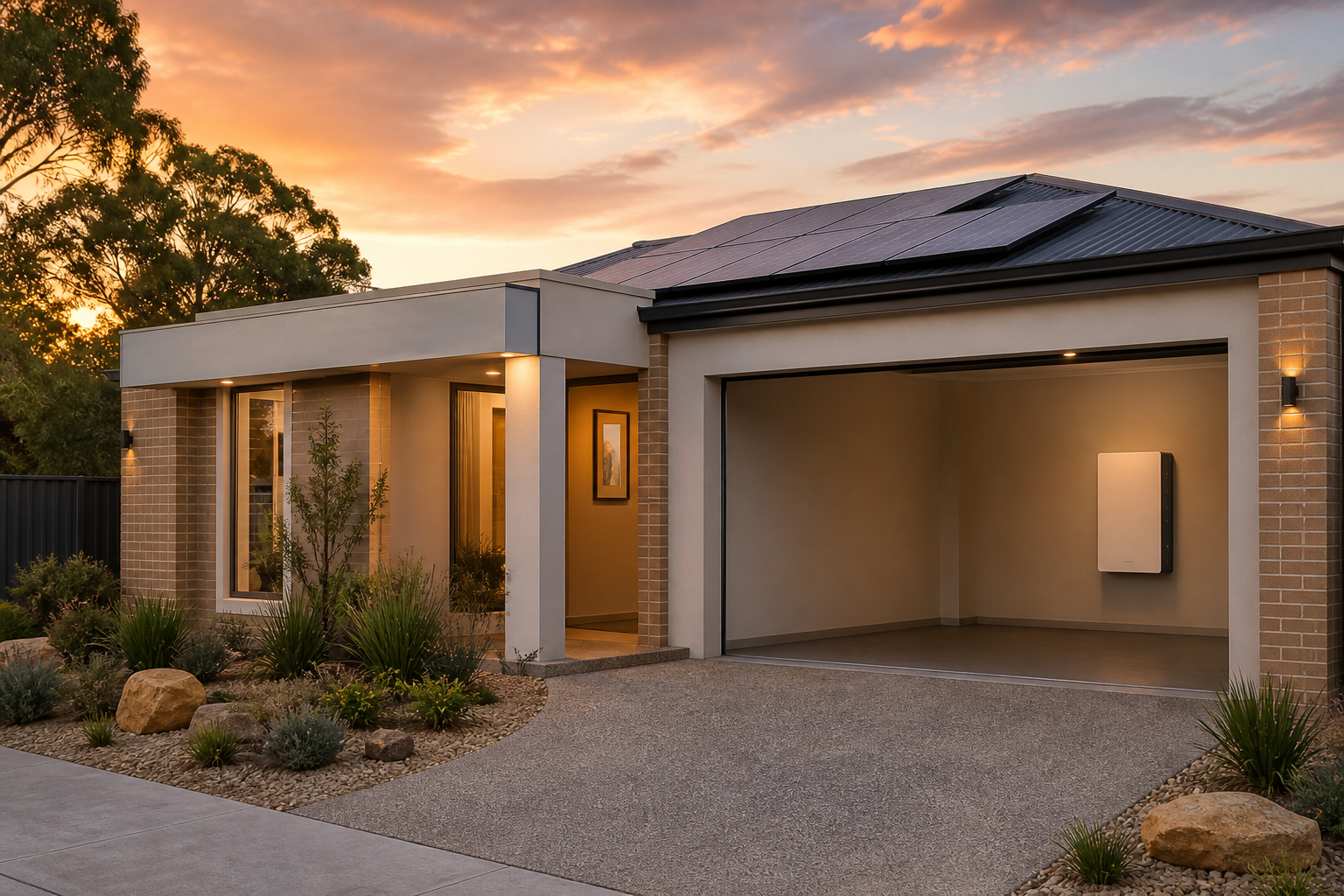
Most people ask the wrong question about solar. It’s not “What’s your best deal?” – it’s “What’s the true, all‑in cost of this system over its life?” In 2026, with power prices and interest rates both elevated, that difference can be tens of thousands of dollars.
A realistic answer: a solid 6.6 kW solar system in Australia usually costs $5,000–$9,000 after STC rebates, and a packaged solar + battery system typically runs $14,000–$22,000 for a 6.6 kW array and 10–13 kWh battery. From there, roof complexity, hardware quality and finance can push it well above $30,000 in lifetime cost.
This piece is the numbers-first guide I wish every client read before they call me. It’s written so you can shortlist systems and know, this week, what’s reasonable – whether you’re a home owner, investor or small business.
1. The three prices you must know before you sign anything
What I tell my clients: you don’t have one solar price, you have three.
- Cash system price (after STCs) – the real market cost of panels, inverter, battery and labour.
- Net out‑of‑pocket price (after rebates and tax) – what you actually bear once state programs and any tax benefits are counted.
- Financed price (total over term) – what you’ll really pay including interest, fees and promo terms.
If your quote or finance pitch doesn’t spell out all three, you’re flying blind. A core rule from our other work on solar finance is that a like‑for‑like comparison must use the same system cash price, itemise all fees and show the full contract period (see /insights/solar-finance-prime-near-prime-credit-repair-guide).
Let’s anchor the rest of this guide in the cash system price – then we’ll layer in rebates and finance.
2. What a typical home solar system costs in 2026
2.1 Common system sizes and price ranges
Here’s what I’m seeing in 2026 across solid, Tier‑1 installers (indicative, Australia‑wide, after STCs, including standard installation):
| System | Typical use case | Indicative price range* |
|---|---|---|
| 3–4 kW solar only | Small unit / low use | $3,000 – $5,000 |
| 6.6 kW solar only | Standard suburban home | $5,000 – $9,000 |
| 8–10 kW solar only | Larger home / pool / EV | $8,500 – $13,000 |
| 6.6 kW + 10–13 kWh battery | Solar + evening cover | $14,000 – $22,000 |
| 10 kW + 10–15 kWh battery | High use / home + office | $20,000 – $30,000 |
*After STC rebate, before any state rebates, for quality mid‑range brands. Super‑cheap promo systems can be lower; premium brands or difficult sites can be higher.
If you’re seeing 6.6 kW “premium” systems under about $4,500 advertised in 2026, I assume one or more of:
- very low‑wage labour or rushed installs
- short workmanship warranty
- lower‑tier panel or inverter brand
- upsell coming later (e.g. switchboard work, tilt frames, cabling runs).
2.2 Why 6.6 kW is still the workhorse
A 6.6 kW system remains the sweet spot for many homes:
- It uses a standard 5 kW inverter, which is common and cost‑effective.
- On a decent roof, it can generate 24–30 kWh per day on average in much of Australia.
- For many families, that can cover daytime loads plus some export.
Indicative example
– Sydney family home, 6.6 kW system, $7,500 after STCs.
– Average usage: 20 kWh/day, power price: 35c/kWh (inc. GST and supply).
– If they self‑consume 60% and export 40% at 7c/kWh feed‑in, annual bill reduction can sit around $1,100–$1,400.
– That’s roughly a 5.5–7 year simple payback on the solar component alone.
This is why, for most households with roof space, I’d rather see a well‑priced 6.6–8 kW solar‑only system than a compromised solar + tiny battery at the same overall budget.
3. How much do batteries really add in 2026?
The mistake I see most is people treating batteries as a no‑brainer add‑on. In 2026, they’re still not – they’re a comfort and resilience decision first, and a return decision second.
3.1 Typical battery price ranges
Indicative installed prices (after STCs on the solar portion, before state battery rebates):
- 10–13 kWh battery with hybrid inverter: $8,000–$13,000 added to a solar quote.
- 15–20 kWh battery: $12,000–$18,000 additional.
That’s why you often see packages like:
- 6.6 kW solar only – $6,500–$8,000
- 6.6 kW + 10–13 kWh battery – $16,000–$19,000
So the solar halves your bill; the battery often doubles the project price.
3.2 A simple battery value test
A decent quick check:
If your extra spend on the battery divided by annual extra bill savings because of the battery is over 12–14 years, you’re in “nice to have” territory, not obvious value.
Example (same Sydney family):
- 6.6 kW solar only: $7,500; bill saving: ~$1,250/year.
- 6.6 kW + 10 kWh battery: $17,500 total (so $10,000 extra for the battery).
- Battery lifts annual saving from $1,250 to $1,800 (extra $550/year).
Battery payback: $10,000 ÷ $550 ≈ 18 years. That’s longer than many product warranties.
Does that mean “never buy a battery”? No. For rural clients, medically dependent households, or small businesses that hate outages, a battery can still be worth it. But the bar is high.
If you’re leaning heavily on the numbers, read our guide on how banks and valuers actually treat these systems: /insights/how-valuers-treat-solar-batteries-investment-property.
The strategy continues below
You've seen the problem and the groundwork — now unlock the exact steps our CPA-certified brokers use, including 5 more sections. Enter your email for instant, free full access.
Free access. No spam — unsubscribe anytime. Your details stay confidential.
Frequently asked questions
How much does a 6.6 kW solar system cost in Australia in 2026?▾
How much extra does a battery add to a solar system?▾
Is it cheaper to add solar and batteries to my mortgage?▾
What is a realistic payback period for solar in 2026?▾
Should I wait for cheaper batteries or install now?▾
Speak with a specialist advisor
Confidential consultation, bespoke advice for your situation.