Loading the latest on mortgages, RBA & inflation…

Article

Turn Green Square Apartment Equity Into a Family Home Upgrade

Clear, numbers‑based guide for using equity in a Green Square or Zetland apartment as the deposit for a family home in Sydney’s inner south or beyond, without blowing up your risk profile.

25 July 2026Updated 25 July 20268 min read

Key Takeaway

This article explains how owners can unlock equity in a Green Square or Zetland apartment to buy a family home by refinancing up to around 80% loan-to-value ratio (LVR) and using a separate equity split as the deposit. It shows with a worked example how a $1m unit with a $550k loan can release about $250k while keeping LMI costs down, and stresses stress-testing repayments at rates 3% higher, as required by APRA, before committing. Readers get a step-by-step plan they can act on this week.

Turn Green Square Apartment Equity Into a Family Home Upgrade

If you already own a Green Square or Zetland apartment, you can often use its equity as the deposit for a family home by refinancing up to around 80% LVR and taking a separate equity split for the new purchase. The real work is getting the valuation right, keeping your risk inside safe LVR bands, and making sure the post‑upgrade repayments still fit your life.

This guide focuses on one thing: turning Green Square equity into a bigger home without over‑stretching.

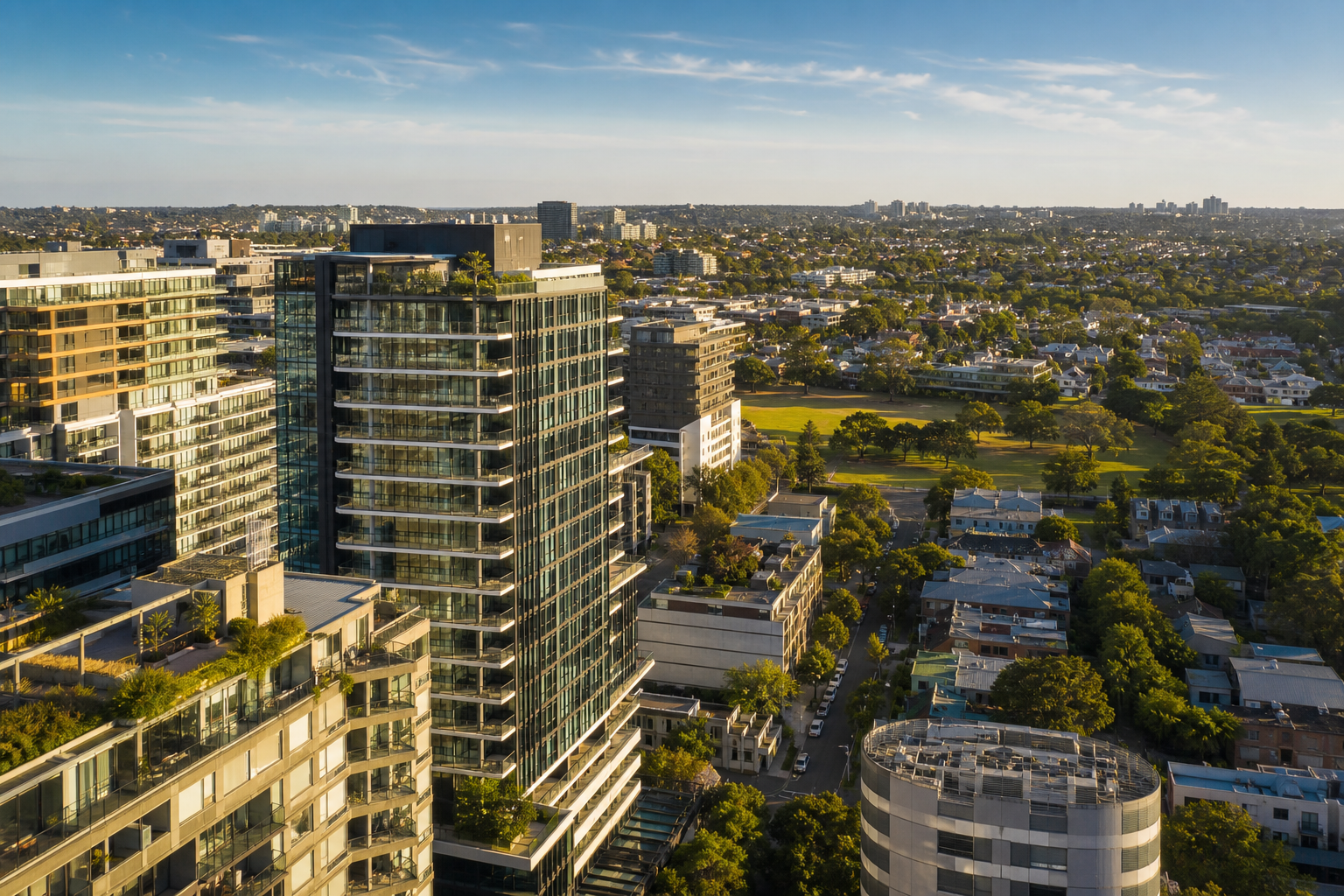
Green Square apartment owners reviewing equity plans Checking how much equity your Green Square apartment can safely release.

1. Understand how much Green Square equity you can safely use

1.1 What “usable equity” really means

Equity is the property value minus your loan. Usable equity is how much a lender will let you tap while staying inside their LVR rules and your borrowing capacity.

Most mainstream lenders are most comfortable at or under 80% LVR on apartments to avoid LMI.

Usable equity ≈ (Property value × target LVR) − current loan

For Green Square and Zetland, different lenders can give very different valuations and maximum LVRs for the same building, sometimes changing usable equity by tens of thousands (see /insights/local-green-square-broker-building-knowledge).

1.2 Worked example: refinancing your Zetland unit for a house deposit

Assume:

  • Current unit value: $1,000,000 (bank valuation)
  • Current loan: $550,000
  • Target LVR: 80%

Maximum loan at 80% LVR: 0.80 × $1,000,000 = $800,000
Usable equity: $800,000 − $550,000 = $250,000

That $250k can usually be set up as a separate split and used as part or all of the deposit and costs on a family home.

If a second lender values the unit at $950,000, your usable equity drops to about $210,000, which can change which suburbs or price points are realistic this year.

2. Structure the upgrade: sell, keep or rent out the unit?

2.1 Three main paths

Upgrading from a Green Square apartment to a family home usually comes down to one of three structures.

StrategyProsCons / RisksBest for
Sell unit, then buy houseSimple, no extra debt, no cross‑collateralisationNeed to move twice or rent short‑termMaximal simplicity, low risk
Keep unit, use equity for depositStart building a portfolio, potential rent incomeHigher total debt, tighter cash flow & buffersStable income, growth mindset
Buy house first (bridging / equity)Avoid missing ideal house, timing flexibilityComplex, risk if market drops or unit sells slowlyStrong serviceability & buffers

If you’re only moving from one apartment to the next, see /insights/upgrading-apartment-green-square-zetland-guide for apartment‑to‑apartment scenarios.

2.2 Keeping the Green Square unit as an investment

Keeping the unit and renting it out can work if:

  • Your combined loans still pass serviceability at a rate at least 3% above the actual rate (APRA buffer).
  • You’ve allowed for vacancy, strata increases and maintenance.
  • The loan splits clearly separate non‑deductible (new home) and investment (unit) purposes.

Loan purpose, not the security, drives interest deductibility. If you mix home and investment purposes in one big split, your tax life gets messy later.

3. Step‑by‑step: using Green Square equity as your house deposit

3.1 Week‑one numbers check

In one week, you can usually answer three critical questions:

  1. What will a bank think your unit is worth?
    Get 2–3 desktop or full valuations through a broker who knows your specific building.

  2. How much deposit can you safely pull out?
    Aim to keep your unit around or under 80% LVR. Above that, LMI premiums can eat into your deposit and flexibility.

  3. What price range is realistic for the new home?
    A quick borrowing power check (at P&I repayments, stress‑tested +3%) will show if your target suburbs are in range.

If you’re still working out your starting point, the Green Square‑specific basics in /insights/first-home-buyers-green-square-guide are worth a skim.

3.2 Typical refinance + purchase structure

A clean structure often looks like this:

  • Split 1 – Existing apartment loan
    Refinance your current $550k to, say, $800k at 80% LVR. Keep this split clearly labelled as “Apartment / Investment” if you’ll later rent it out.

  • Split 2 – Equity release
    New split for $250k. Purpose: deposit + costs on the family home. This is usually non‑deductible, so you want a plan to pay it down sooner.

  • New loan – Family home
    You then take a separate loan secured against the new house for the remaining purchase price.

Keeping each purpose in its own split simplifies tax tracing if you later move out of the house or change how you use the unit.

Diagram of using apartment equity to buy a family home Using structured equity release to bridge from an apartment to a family home.

4. Can you actually afford the upgraded home?

4.1 Repayment reality check (numbers)

Say you:

  • Refinance your unit loan to $800,000
  • Use $250,000 as deposit + costs
  • Buy a $1,400,000 family home with a new $1,150,000 loan (after stamp duty and costs)

Total debt: $1,950,000.

Indicative P&I repayments at 6.5% p.a. over 30 years (illustrative only):

  • $800,000 loan ≈ $5,060 per month
  • $1,150,000 loan ≈ $7,270 per month
  • Total ≈ $12,330 per month

Lenders will test this at around 9.5% (6.5% + 3% buffer). On those rates, repayments jump materially, so your income and living expenses (HEM benchmarks) need to be able to carry that.

If the unit will be an investment, lenders will shade the expected rent, often only counting 70–80% of it in their assessment.

4.2 Risk checks before you commit

Before signing a contract on a house:

  • Valuation risk: Can your Green Square lender and the new home lender both support your valuations? A low valuation on either property can derail the plan.
  • Rate risk: Model repayments at +2% and +3% above today. Could you still sleep at night? If not, consider a cheaper home or keeping some equity untouched.
  • Buffer risk: Aim to keep 3–6 months of total repayments in offset, especially if you’re self‑employed or bonuses make up a big share of income.

For a deeper dive into using equity safely for future purchases, the framework in /insights/using-equity-off-the-plan-deposit is directly relevant, even if you’re buying an established house rather than off‑the‑plan.

5. Special issues for self‑employed and professional families

5.1 Self‑employed in Green Square / inner south

If you’re self‑employed:

  • Lenders will usually want 2 years of tax returns and notices of assessment.
  • They’ll focus on taxable income after deductions, which might be lower than your actual cash flow.
  • Some alt‑doc options exist, but policy can be tighter for high‑density postcodes and smaller apartments.

A broker who is also a tax agent and CPA can help you weigh up how much income to declare versus your borrowing power before the next financial year ends.

5.2 Professional couples with future plans

For professional households considering children, private schooling, or part‑time work:

  • Model one income only (or 1.2 incomes) to see if the upgraded home is still sustainable.
  • Consider fixing part of the home loan or using an offset to give you more payment flexibility while incomes change.
  • Review your insurance – at least enough life cover to clear the home loan – so one event doesn’t force a sale.

These planning layers matter more than squeezing an extra 0.1% off the rate.

6. One‑week action plan to unlock Green Square equity safely

Day 1–2 – Clarify targets

  • Decide: keep the unit as investment or sell later?
  • Shortlist target suburbs and price range for the family home.

Day 2–3 – Valuation and lending checks

  • Order 2–3 bank valuations on your Green Square / Zetland apartment via a broker.
  • Run quick borrowing power scenarios for: unit only, unit + house, and unit sold.

Day 4–5 – Structure and risk settings

  • Map out loan splits by purpose (unit, equity release, home).
  • Choose a safe maximum LVR for the unit (e.g. 70–80%) and a minimum buffer you’ll hold in offset.

Day 6–7 – Decision and next steps

  • If numbers and risk settings work, start a refinance application so your equity is ready before you hunt seriously.
  • If they don’t, adjust: cheaper house, sell the unit, or push the upgrade out 12–24 months.

FAQs

Can I use all my Green Square equity as a house deposit?

You usually shouldn’t. While a bank might technically allow you above 80% LVR, pushing too high can trigger LMI and leave you with no buffer if valuations slip or rates rise further. A safer rule is to pick a maximum LVR (often 70–80%) and keep extra equity or cash aside for emergencies and future moves.

Is it better to sell my Green Square apartment before buying a family home?

Selling first keeps the structure simple and lowers your overall debt, which can make sense if your income is stretched or you’re worried about rates. Keeping the unit can build wealth faster if rents and values grow, but it adds risk and complexity. Running both versions side‑by‑side with actual numbers is the best way to decide.

Will my apartment’s lender let me keep using FHBG or other schemes?

First Home Guarantee and similar schemes are generally for your first purchase and require owner‑occupation rules. When you upgrade to a family home, those schemes typically no longer apply, but your existing loan keeps running. The main point is whether the equity and new borrowing will pass today’s servicing tests and LVR rules, not whether schemes carry over.

What if I bought my Green Square apartment off‑the‑plan and the valuation is low?

If your current valuation comes in below your expectations, your usable equity drops and may limit your house budget. In some cases, switching lenders or waiting for more sales in your building can improve valuations. If you’re still in the pre‑settlement phase, see /insights/common-first-home-off-the-plan-mistakes-green-square for traps and options.

Can I unlock equity if I’m only a few years into my Green Square mortgage?

Yes, provided your apartment has grown enough in value and your income supports the higher debt. Even 3–5 years of growth can create usable equity, especially if you started with a solid deposit or made extra repayments. The key is to verify the current valuation and run careful servicing tests before you commit to a larger home.


Key takeaways

  • You can often use Green Square or Zetland apartment equity as a deposit for a family home by refinancing up to around 80% LVR and taking a separate equity split.
  • Different lenders can value the same apartment very differently, which can change your usable equity and upgrade options.
  • Clean loan structuring by purpose – unit, equity release, new home – makes tax and future moves simpler and safer.
  • Stress‑testing repayments at higher rates and setting clear buffer rules is more important than maximising how much you borrow.

Next step: If you want a numbers‑first view of your upgrade options, book a free 15‑minute strategy call at /contact – one conversation covers your tax, your loan and your next home plan with a CPA, Tax Agent and Broker in one.

General advice only.

Frequently asked questions

Can I use all my Green Square equity as a house deposit?
You usually shouldn’t use every dollar of equity as a deposit. Staying around or below 80% LVR on your apartment keeps LMI costs down and leaves room for valuation changes. It’s safer to set a maximum LVR and keep some equity or cash aside as a buffer for rate rises, vacancies and unexpected expenses.
Is it better to sell my Green Square apartment before buying a family home?
Selling first is simpler and reduces your total debt, which can help with borrowing power and sleep‑at‑night factor. Keeping the unit can build wealth if rents and prices grow, but adds risk and cash‑flow pressure. Running both scenarios with realistic numbers is the only way to see which fits your income and risk comfort.
Will my first‑home scheme still apply when I upgrade to a family home?
First‑home schemes like the First Home Guarantee generally apply only to your first purchase and require you to live in the property for a minimum period. When you upgrade, you can’t usually reuse those schemes, but your existing loan remains. For the upgrade, lenders focus on equity, LVR, your income and today’s serviceability rules.
What if my Green Square apartment valuation is lower than expected?
A low valuation reduces your usable equity and may force you to lower your target house budget or contribute more cash. Sometimes trying an alternative lender with better appetite for your building can help. Otherwise, you may need to delay the upgrade to allow more time for value growth or extra repayments.
Can self‑employed borrowers in Green Square still use equity for a house upgrade?
Yes, but lenders will dig more deeply into your income history. Most want at least two years of tax returns and will base servicing on taxable income, not turnover. Planning your tax position ahead of time and choosing the right lender policy is critical so you can show enough income to support both the unit and the new home debt.

Speak with a specialist advisor

Confidential consultation, bespoke advice for your situation.