Loading the latest on mortgages, RBA & inflation…

Article

Should Mascot Business Owners Use Their Home for Equipment Loans?

Mascot business owners are often pushed to use the family home as security for equipment finance. Here’s when it can make sense, when it’s dangerous, and what safer alternatives you can use this week.

30 July 2026Updated 30 July 20268 min read

Key Takeaway

Mascot business owners should be cautious about using their home as security for equipment loans because it concentrates risk on the family home and can restrict refinancing or selling later. Dedicated equipment finance over 3–7 years, often secured only by the asset, better matches equipment life and protects personal property, even if interest rates are higher. Owners should compare structures, keep limits modest, and seek integrated tax and lending advice before offering their home as security.

Should Mascot Business Owners Use Their Home for Equipment Loans?

Using your Mascot home as security for business equipment can improve approval odds and pricing, but it also puts your family home on the line if the business hits trouble. In most cases, Mascot owners are safer using stand‑alone equipment finance or modest unsecured facilities and only using property as security deliberately, for clear strategic reasons.
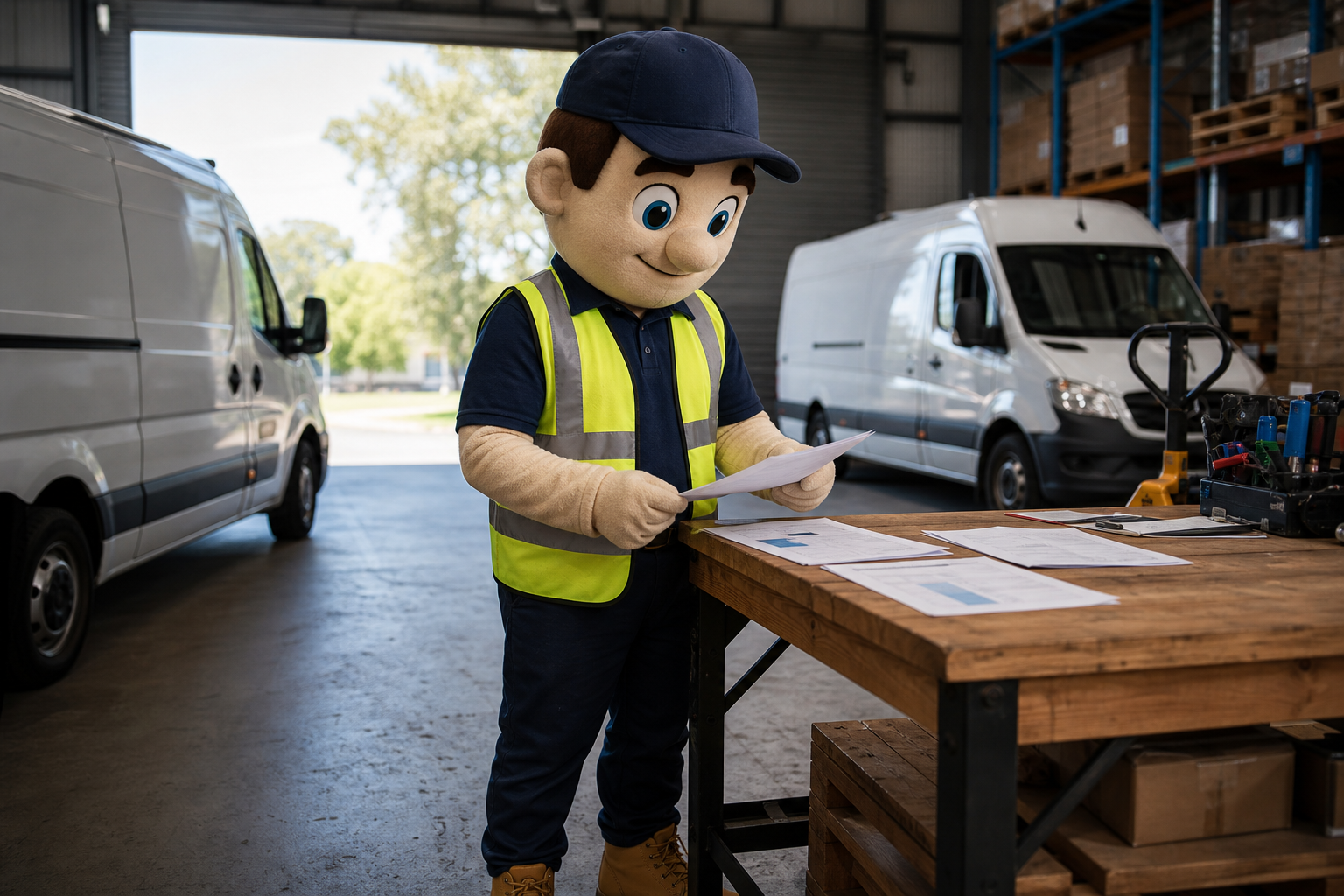
Mascot business owner comparing home‑secured and equipment finance options for new gear. Mascot business owners often face a choice between using the home or stand‑alone equipment finance.

1. What “using your home as security” actually means

When you use your home as security for a Mascot business loan, the lender:

  1. Takes a mortgage over your home (or investment property), and
  2. Links that security to your business facility – overdraft, equipment loan, or commercial loan.

This is often called cross collateralisation – different loans tied to the same property. If the business can’t meet repayments, the lender can force the sale of the property to clear the debt.

Common Mascot scenarios

  • Café owner funding a new coffee machine and fit‑out
  • Freight or logistics operator buying trucks or forklifts
  • Airport‑adjacent trades or aviation‑support firms financing tools or ground‑service equipment

Many banks’ first reflex is: “Use your home, keep it simple.” Your job is to decide if that’s actually smart.

2. The risks of cross‑collateralising your home for equipment

Cross‑collateralising equipment to your Mascot home loan has three big risks.

2.1 You can lose the family home

If the business fails and you can’t meet repayments, the lender can:

  • Call in the business loan, and
  • Enforce over the home, not just the equipment.

For Mascot owners juggling both home and business debt, that’s a double hit. We talk about this broader risk in how small business owners can gear into property without losing everything.

2.2 You lose flexibility to refinance or sell

Cross‑collateralisation can:

  • Make it harder to refinance your home to a sharper rate unless the business facility also moves
  • Block you from selling or restructuring a property because the business loan depends on it

This reduced flexibility is a key reason we say any cross‑collateralisation should be a conscious, justified decision, not a default.

2.3 Term mismatch: 5‑year gear on a 30‑year loan

Rolling $150k of equipment into a 30‑year home loan:

  • Stretches a short‑life asset over decades
  • Means you might still be paying for obsolete gear long after you’ve scrapped it

Dedicated 3–7 year equipment finance usually better matches asset life and keeps risk off the home.

3. When using property security can make sense

There are situations where using property for a Mascot business equipment loan is reasonable.

3.1 Bigger, longer‑life, productive assets

It can be justifiable where:

  • The asset is large and productive (e.g. $500k CNC machine, major truck fleet, rooftop solar install)
  • It has a long effective life (10+ years)
  • The facility is structured with a shorter term than your home loan, not simply blended into it

You still want the loan ring‑fenced – ideally a separate facility secured by property, not just hidden in a bigger home loan balance.

3.2 Start‑ups with no trading history

For Mascot start‑ups near the airport, lenders may:

  • Refuse stand‑alone business facilities
  • Offer funding only if you secure it with property

If the choice is “no funding” versus “property‑secured funding that unlocks a major contract”, offering limited, well‑structured property security can be rational – but only with:

  • Clear exit plan (when/how you move back to stand‑alone equipment finance)
  • Strict limits on amount and term

3.3 Worked example: Mascot transport operator

You need $200k for two trucks.

  • Home value: $1.3m in Mascot
  • Home loan: $800k (LVR ~62%)

Option A – roll into home loan (property security)
Add $200k to the 25‑year remaining term at 6.2% p.a. (illustrative only):

  • Repayment: ≈ $1,320/month
  • Total interest over 25 years: ≈ $196k

Option B – 5‑year chattel mortgage (equipment security) at 7.8% p.a. (illustrative only):

  • Repayment: ≈ $4,060/month
  • Total interest over 5 years: ≈ $43k

Option B hits cashflow harder now, but you:

  • Pay the trucks off in line with their useful life
  • Keep your home largely unencumbered by the business
  • Can refinance or sell the home more easily later

For many Mascot owners, that trade‑off is worth it.

Premium insight

The strategy continues below

You've seen the problem and the groundwork — now unlock the exact steps our CPA-certified brokers use, including 4 more sections. Enter your email for instant, free full access.

Free access. No spam — unsubscribe anytime. Your details stay confidential.

Frequently asked questions

Is it normal for banks to ask for my home as security for a Mascot business loan?
Yes, it’s common for banks to request property security for small business loans and equipment in Mascot, especially if the business is young or financials are thin. That doesn’t mean it’s always necessary. With solid trading history and clean numbers, many standard assets can be financed stand‑alone, without tying your home to the business.
Is unsecured equipment finance in Mascot always more expensive?
Unsecured equipment or business loans usually carry higher interest rates than property‑secured loans, because the lender has less collateral. However, the total risk may still be lower for you because the exposure is capped and your family home is not at stake. Shorter terms also limit how much interest you pay over the life of the loan.
Can I move equipment debt off my home later?
Often you can refinance equipment or business debt that was originally secured by your home onto separate business or equipment facilities later. This typically requires a new application, updated financials and possibly valuations. It’s easier once the business has a stronger track record and your ATO obligations and financial statements are up to date.
What if I already cross‑collateralised my home and business loans?
Many owners only discover cross‑collateralisation when they try to refinance or sell. Start by asking your lender or broker for a full list of which securities support which loans. Then work on a staged plan to reduce or unwind it, which may include paying down certain facilities or refinancing them to stand‑alone business or equipment loans over time.
Should I ever use my home to back a Mascot start‑up?
In some cases, offering your home as security is the only way to access enough capital to launch or scale a Mascot start‑up. If you do, keep the amount modest, set a clear time frame, and have a specific plan for moving the debt onto stand‑alone business or equipment facilities once the business is proven. Always consider the impact on your family if the business fails.

Speak with a specialist advisor

Confidential consultation, bespoke advice for your situation.