Article
Why Two Eastern Suburbs Properties Value So Differently (Real Cases)
Two near‑identical Eastern Suburbs homes can get very different bank valuations. This guide walks through real‑style case studies to explain why, how valuers think, and what you can do this week if your valuation comes in low.
Key Takeaway
Two similar Eastern Suburbs properties can receive very different bank valuations because valuers prioritise recent comparable sales, micro‑location factors like traffic and views, and lender‑specific risk policies. In blue‑chip Sydney postcodes, even a 5–10% difference can mean tens of thousands in extra cash required or lost refinancing options. By understanding how valuers select comparables and how lenders treat risk, borrowers can prepare stronger evidence, choose valuation types strategically, and add fallback options before they order the next valuation.

Two Eastern Suburbs properties can look almost identical online and still come back with bank valuations that are $100,000 apart.
In Sydney’s East, that gap can be the difference between:
- Getting 80% LVR and avoiding LMI, or being stuck at 85–90%
- Refinancing to a sharper rate, or being trapped with your current lender
- Settling a purchase smoothly, or scrambling to find extra cash in a week
This guide uses real‑style Eastern Suburbs case walkthroughs to explain why valuations differ so much – and what you can do this week if your number comes in low.
Quick answer: Two similar‑looking Eastern Suburbs properties can value very differently because valuers rely on recent comparable sales, and small differences in street, views, condition, parking and land can push those comparables up or down. Lender postcode policies, risk appetite and the type of valuation report ordered then amplify the gap. Preparing better evidence and having backup lender options are your best levers.
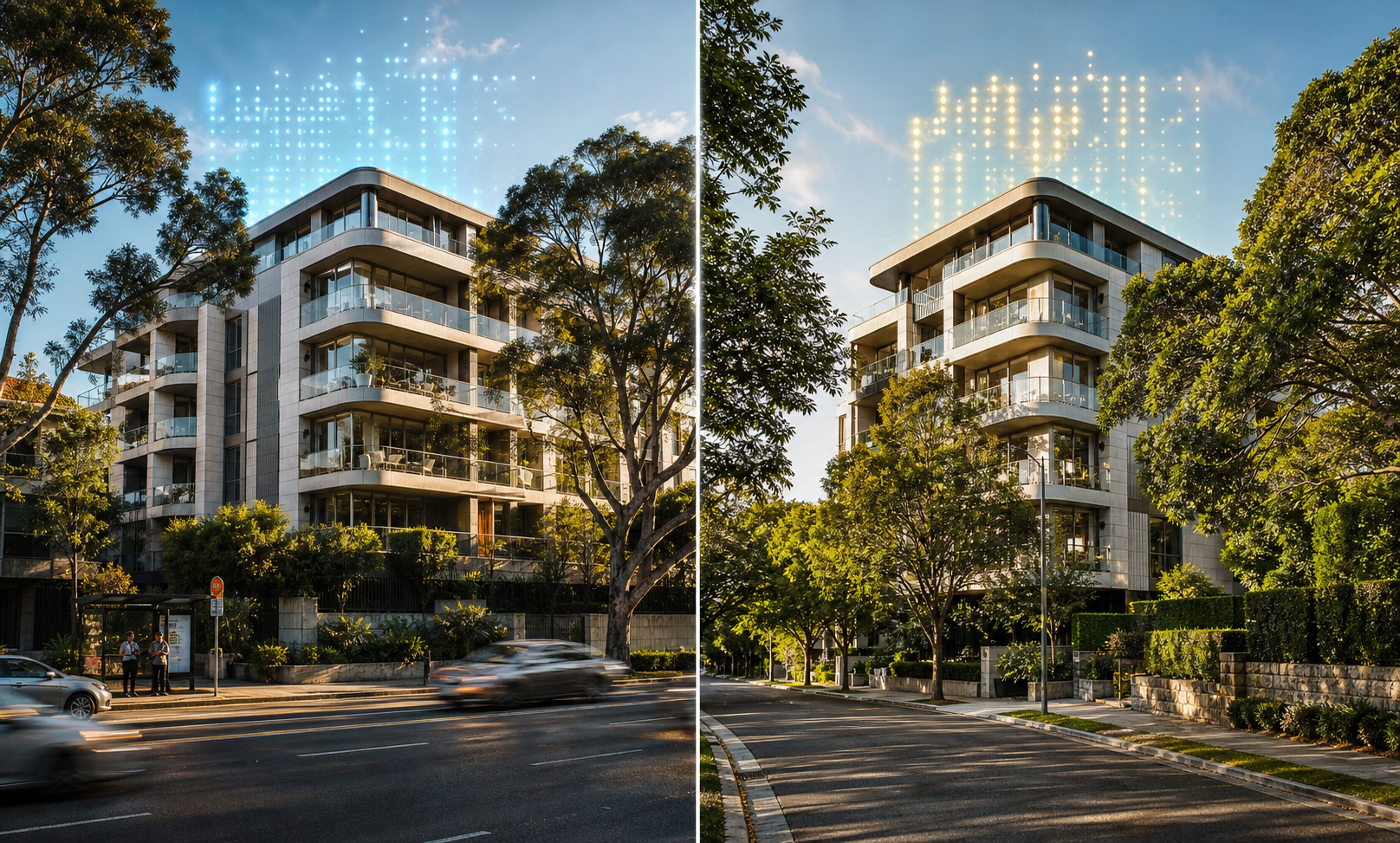
1. How bank valuations really work in Sydney’s Eastern Suburbs
Before we hit the case studies, it helps to understand the moving parts in a valuation.
1.1 The three main inputs valuers juggle
When a lender orders a valuation, the valuer is effectively answering one question:
“At a sensible sale campaign in today’s market, what would this property likely sell for?”
They get there using three main inputs:
-
Recent comparable sales ("comps")
- Usually 3–6 settled sales in the last 3–6 months.
- Same suburb or tightly comparable nearby suburb.
- Adjusted up/down for differences in land size, condition, views, parking, noise.
-
On‑the‑ground inspection
- Layout, natural light, level of renovation.
- Evidence of structural or moisture issues.
- Quality of common areas in apartments.
-
Lender’s instructions and risk policy
- Some lenders want “conservative” numbers in certain postcodes.
- Different LVR cut‑offs and rules for houses vs units.
- APRA’s focus on prudent lending and a 3% serviceability buffer flows through into how cautious banks want valuers to be.
For premium Eastern Suburbs areas, valuers are also very aware of price volatility around views, school zones and buyer sentiment – a point I explore more in /insights/school-zones-train-lines-beaches-borrowing-strategy.
1.2 Common valuation types you’ll see
- Full (short form) valuation: Internal and external inspection, photos, detailed comparable sales grid. Standard for higher LVR or more complex deals.
- Desktop valuation: Done from a desk using data and photos. Common for lower LVR refinances and simple properties.
- Kerbside / drive‑by: External only, often combined with data sources.
The same property can get slightly different figures from each method because:
- Desktops lean harder on data and automated models.
- Full valuations can capture renovation quality – for better or worse.
2. Case study 1 – Two near‑identical Double Bay units, $80k valuation gap
Let’s start with a simple, very common scenario.
2.1 The two properties
-
Unit A – 2 bed, 1 bath, 1 car, 70 m², mid‑1960s block in Double Bay.
Renovated kitchen and bathroom 6 years ago, mid‑floor, faces quiet rear lane, leafy outlook. -
Unit B – Same block, same layout and size, also 2 bed, 1 bath, 1 car.
Original 1980s kitchen, basic bathroom, lower floor, facing busy road.
Two different lenders ordered full valuations for refinance at the same time.
2.2 The valuation outcomes
| Property | Owner’s expectation | Valuation result | LVR impact (on $800k debt) |
|---|---|---|---|
| Unit A | $1,250,000 | $1,230,000 | 65% LVR – no issues |
| Unit B | $1,200,000 | $1,150,000 | ~70% LVR – no issues, but less equity release |
That’s an $80,000 valuation gap between almost “identical” units.
2.3 What the valuer actually saw
The key differences in the valuer’s commentary:
-
Condition:
Unit A’s renovated kitchen and bathroom were in “good modern condition”.
Unit B’s were described as “original, average condition, nearing end of economic life”. -
Aspect and noise:
Unit A had “pleasant rear outlook, minimal traffic noise”.
Unit B had “high exposure to road noise, limited outlook”. -
Comparable sales used:
For Unit A, recent sales included two nicely renovated, quiet‑aspect units.
For Unit B, the closest comp was an older, noisier unit in the same pocket.
2.4 Why the gap mattered in practice
The owners of Unit B wanted to roll higher‑interest personal debts into the home loan. With that $1.15m valuation, they could only safely release about $80,000 at a conservative 80% LVR – not enough to fully consolidate.
At that point, we needed to:
- Re‑test whether debt consolidation still stacked up – much like the framework in /insights/consolidate-personal-investment-debts-eastern-suburbs-home-loan.
- Consider whether a second valuation with a different lender might support a higher value.
2.5 What could the Unit B owner do this week?
Actionable steps if this sounds like your situation:
-
Gather hard evidence:
- Print 3–5 recent sales of unrenovated units on busy roads in the same suburb.
- Note land size, level, aspect and condition.
-
Ask your broker to request a review:
- Brokers can often lodge a short, factual submission asking the valuer to reconsider or the lender to order a second opinion.
- Don’t argue “my neighbour says it’s worth more”; stick to comparable sales.
-
Consider a second lender:
- A different lender might use a different valuer panel or valuation type.
- This is where working with a broker who understands Eastern Suburbs nuances – not just a generic process – really matters. If you’re still choosing a broker, see /insights/boutique-vs-franchise-mortgage-broker-sydney-pros-cons-fit.
The strategy continues below
You've seen the problem and the groundwork — now unlock the exact steps our CPA-certified brokers use, including 7 more sections. Enter your email for instant, free full access.
Free access. No spam — unsubscribe anytime. Your details stay confidential.
Frequently asked questions
Why would two similar properties in the same Eastern Suburbs street have different valuations?▾
Can I challenge a low bank valuation on my Eastern Suburbs property?▾
Do renovations always increase a bank valuation in Sydney’s East?▾
Is a desktop valuation worse than a full valuation for my home?▾
What should I do before ordering a valuation for a refinance?▾
Why do bank valuations in blue‑chip areas feel more conservative?▾
Speak with a specialist advisor
Confidential consultation, bespoke advice for your situation.