Article
Alexandria property red flags your local broker catches early
The biggest risks with Alexandria property rarely appear in glossy listings. Here’s how a suburb‑savvy broker spots building, noise, flood, contamination and developer issues before your bank says no.
Key Takeaway
A local Alexandria mortgage broker spots property red flags such as building defects, weak strata finances, aircraft noise easements, and flood or contamination risks before banks apply stricter LVRs or even decline loans. These issues can reduce borrowing capacity, trigger higher deposits, and impact valuation by tens of thousands of dollars. The key actionable insight is to involve a suburb‑savvy broker before you sign, so they can run pre-checks on the building, strata, zoning and developer history and structure your finance accordingly.

Busy Alexandria buyers don’t have time to read every report, but the risk is simple: if your broker doesn’t catch local red flags first, the bank might decline your loan or slash your valuation days before settlement. A suburb‑savvy Alexandria broker screens for building defects, strata issues, aircraft noise, flood and contamination risk, and developer problems so you can either renegotiate or walk away before you commit.
In practice, that means three steps this week: send your target property to your broker before offering, get a quick risk run‑through, and only then set your maximum bid or contract price.
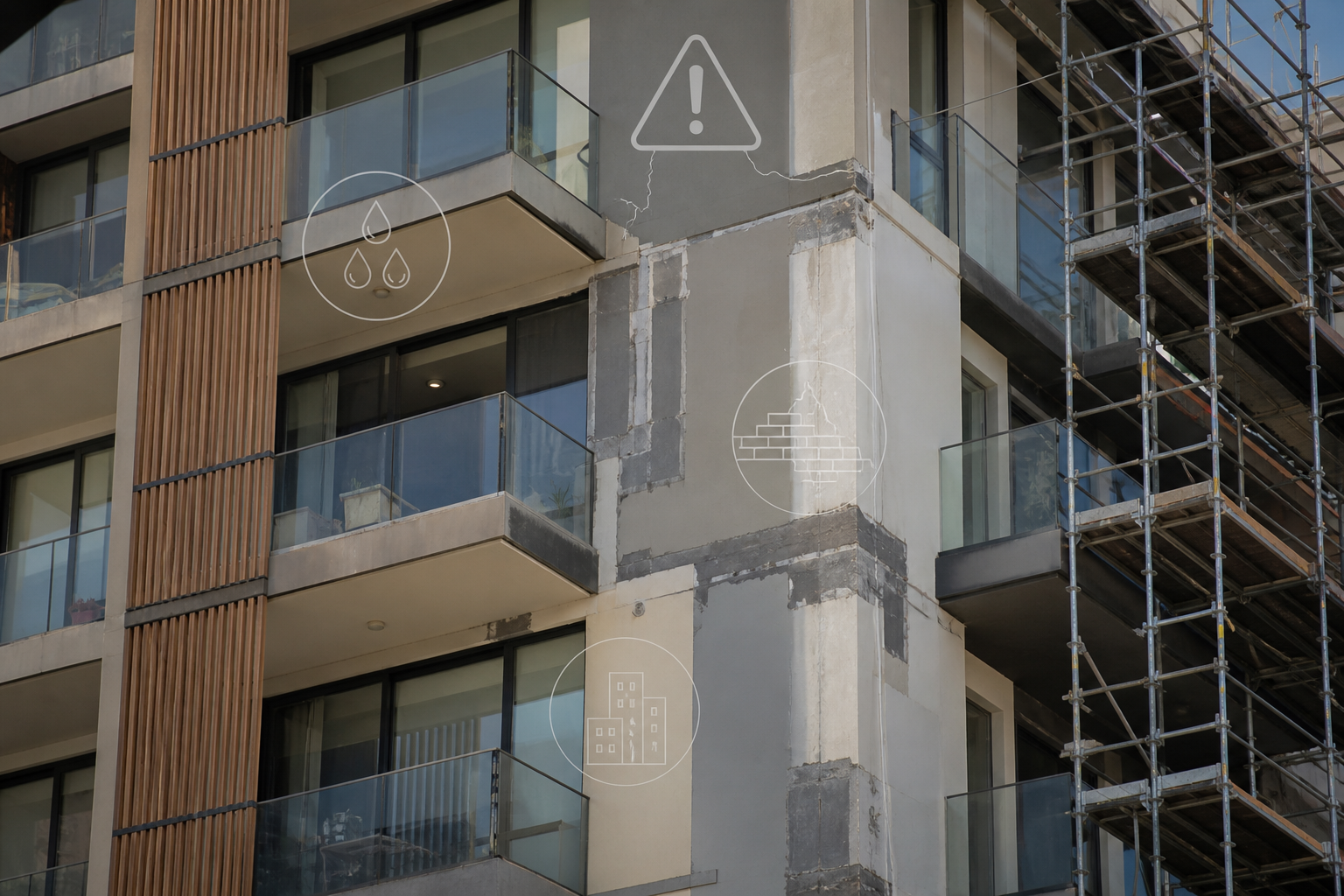
1. Building defects and strata warnings the bank won’t spell out
1.1 Typical Alexandria building defect red flags
Inner‑south stock is a mix of older terraces, converted warehouses and newer unit blocks. Common building red flags your broker looks for include:
- Known cladding or waterproofing issues in the complex.
- Repeated concrete spalling or balcony repairs in minutes.
- Recent or upcoming major works (lift replacement, membrane works).
- Litigation involving the owners corporation or builder.
These don’t just affect peace of mind. Many lenders treat buildings with significant defects as higher risk, which can mean lower maximum LVRs, conservative valuations, or outright declines.
1.2 How strata issues affect loans
Your broker should always ask for the strata report early, because banks quietly punish weak strata schemes. Common problems include:
- Low or negative sinking fund balances relative to age and size.
- Large special levies already raised for structural issues.
- Poorly enforced by‑laws, high short‑stay usage or chronic arrears.
| Strata situation | Likely lender reaction* | Impact on you |
|---|---|---|
| Strong sinking fund, no major defects | Standard policy, up to 80–90% LVR | Normal deposit, smoother valuation |
| Low fund, flagged waterproofing issues | Tighter valuation, 70–80% LVR | Need bigger deposit, more scrutiny |
| Active litigation, major structural defects | Some lenders decline, others 60–70% | Fewer lender options, higher rates |
*Illustrative only. Actual policies vary by lender and over time.
If your chosen lender caps LVR at 70% due to strata risk, a $900,000 purchase suddenly needs a $270,000 deposit instead of $180,000. That’s a deal breaker for many buyers.
For more on how lenders view quirky titles and strata, see /insights/company-title-strata-quirks-inner-south-finance-basics.
2. Noise, flight paths and easements: not just an annoyance
2.1 Aircraft noise easements in the inner south
Alexandria sits under key Sydney Airport flight paths. Banks look closely at:
- Published ANEF/ANEC noise contours and any required easements.
- Contract clauses where you acknowledge high aircraft noise.
- Building designs relying on mechanical ventilation and fixed glazing.
Some lenders are cautious with properties in very high noise zones, especially if they think future resale demand might be softer. A local broker knows which pockets are noisier, which lenders are comfortable, and where you might face valuation haircuts.
2.2 Other easements and encumbrances
Beyond aircraft noise, your broker will ask the solicitor to confirm:
- Drainage and services easements across key parts of the land.
- Shared access driveways in older terraces and warehouse conversions.
- Any heritage or conservation overlays restricting improvements.
These won’t always kill a deal, but they can narrow the lender list or limit how much value you can add later.
The strategy continues below
You've seen the problem and the groundwork — now unlock the exact steps our CPA-certified brokers use, including 4 more sections. Enter your email for instant, free full access.
Free access. No spam — unsubscribe anytime. Your details stay confidential.
Frequently asked questions
What are the biggest Alexandria building defect red flags for lenders?▾
How do strata issues in Alexandria affect my home loan approval?▾
Does aircraft noise around Alexandria really matter to the bank?▾
How can I check for flood or contamination risk in Alexandria?▾
Why does a developer’s track record matter for an Alexandria apartment loan?▾
Speak with a specialist advisor
Confidential consultation, bespoke advice for your situation.