Article
Smart ways to finance hospitality equipment without choking cashflow
A practical guide to financing kitchen equipment, point‑of‑sale systems and delivery vehicles for Australian cafés, restaurants and food operators, without strangling cashflow.
Key Takeaway
Australian hospitality businesses can finance kitchen equipment, POS systems and delivery vehicles using stand-alone equipment loans, leases and fit-out funding rather than stretching home loans, keeping total repayments within a safer 15–25% of realistic revenue. Terms typically range from 3–7 years for vehicles and heavy equipment and 3–5 years for technology, with lenders capping total asset age at 5–7 years for POS and 10–15 years for vehicles. The key is matching each loan’s term to asset life and cashflow, then comparing total dollars repaid before signing.
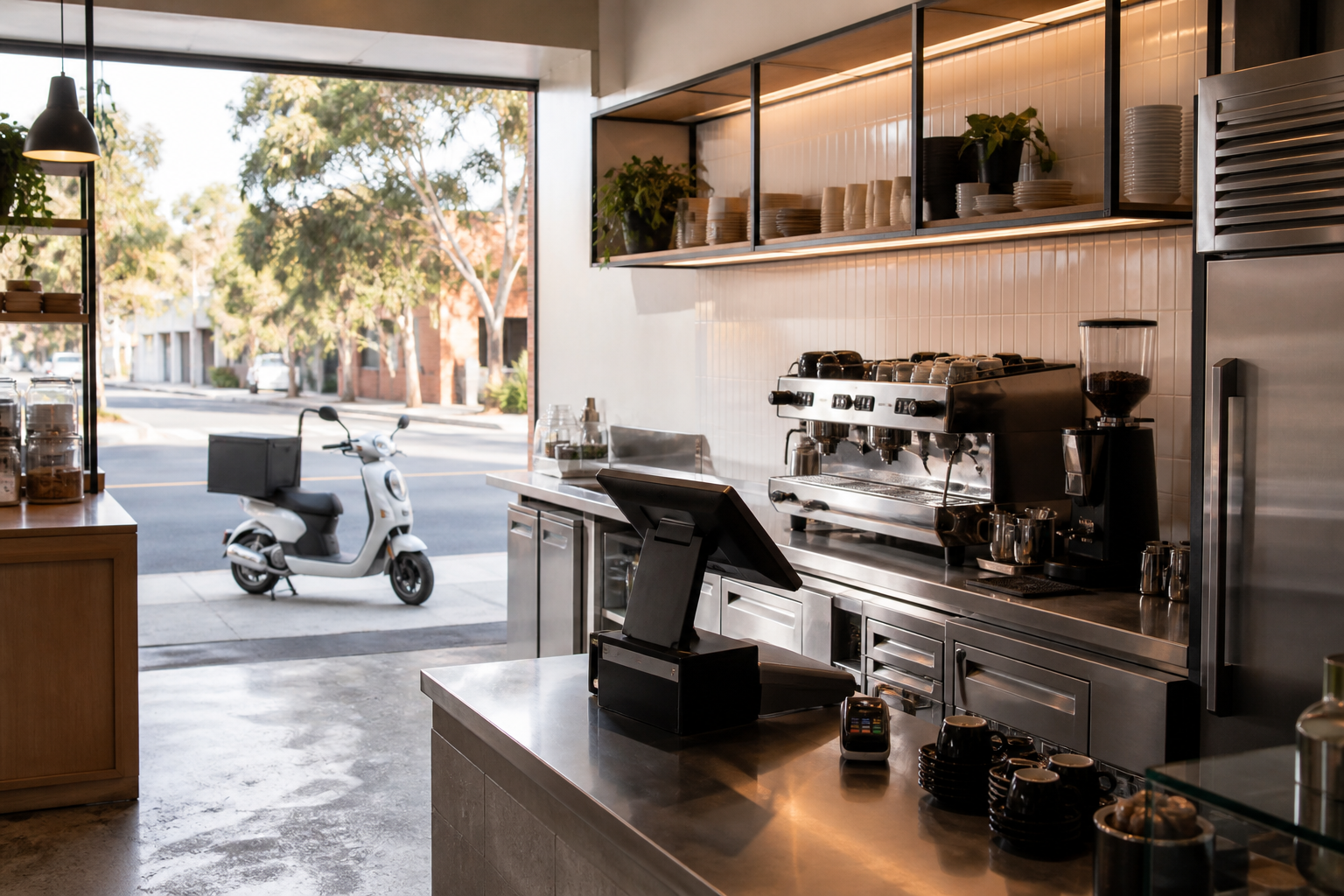
Hospitality businesses can finance kitchen equipment, POS systems and delivery vehicles using stand‑alone equipment loans, leases and structured fit‑out funding, rather than loading everything onto a home loan. The safest approach is to keep total repayments within about 15–25% of realistic revenue, match each loan term to the gear’s working life, and avoid paying interest on obsolete tech.
1. What you can actually finance in hospitality
1.1 Typical kitchen equipment
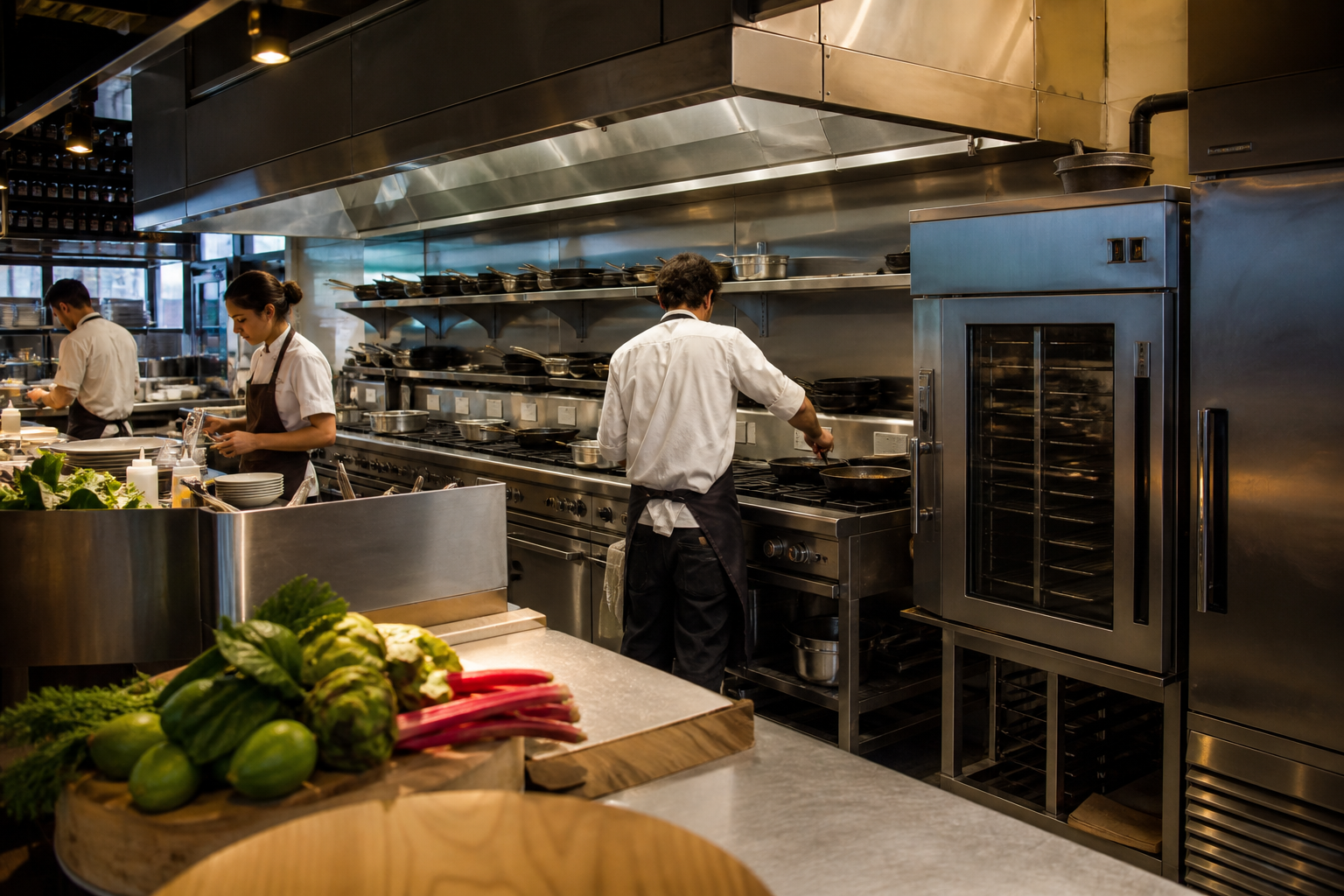
Lenders are generally comfortable funding standard, resaleable kitchen assets, for example:
- Commercial ovens, ranges and grills
- Refrigeration and freezers
- Dishwashers and glasswashers
- Coffee machines and grinders
- Stainless benches, exhausts and smallwares packages
New gear is usually easier to fund than used. As a guide, many lenders will finance 80–100% of the cash price for new equipment and a lower percentage for older or very specialised items (see also /insights/how-much-can-i-borrow-for-business-equipment-lvrs-terms-security).
1.2 Point‑of‑sale (POS) and tech
Most POS funding covers:
- Touchscreen terminals and tablets
- Receipt printers and cash drawers
- Kitchen display screens
- Software licences and subscriptions (sometimes bundled)
Tech has a shorter life. Lenders often want POS terms at 3–5 years, with a maximum asset age of 5–7 years by the end of the loan (consistent with broader tech rules from /insights/new-vs-used-equipment-what-lenders-will-and-wont-finance).
1.3 Delivery vehicles and scooters
For delivery‑focused venues and dark kitchens, finance can cover:
- Cars and small vans
- Refrigerated utes
- Scooters and motorbikes
Here, lenders usually cap total asset age at 10–15 years at the end of the term, so a 5‑year loan suits a 5–8 year old vehicle, and 5–7 years for brand‑new ones.
2. Main finance options: side‑by‑side
There’s no single “best” structure. The right answer mixes different products so each asset’s loan matches its working life.
2.1 Common facilities for hospitality equipment
| Asset type | Typical product | Indicative term | Security | When it fits best |
|---|---|---|---|---|
| Heavy kitchen gear | Chattel mortgage / lease | 4–7 years | Gear itself | Long‑life items with good resale value |
| Coffee machine only | Small ticket equipment loan | 3–5 years | Machine, personal guar. | Smaller deals, income‑critical equipment |
| POS hardware/terminals | Technology equipment loan | 3–4 years | POS equipment | Fast‑changing tech, frequent upgrades |
| Delivery vehicles | Vehicle chattel mortgage | 3–7 years | Vehicle, sometimes PG | Cars, vans, scooters linked to deliveries |
| Full fit‑out mix | Blend of above + biz loan | 3–7 years | Mix of asset & cashflow | New venues, refurbishments and multi‑asset projects |
For full fit‑outs, splitting funding into buckets is usually safer than one big blended loan. That principle is explained in detail for cafés in /insights/funding-mascot-cafe-restaurant-retail-fitout-without-killing-cashflow.
2.2 Why not just top up your home loan?
Using your home for business equipment can look cheap, but you’re often repaying a 5‑year asset over 25–30 years. Prior articles show this can nearly triple total interest versus a 5–7 year stand‑alone facility (see /insights/cross-collateralisation-property-equipment-loans-pros-cons-alternatives).
For hospitality operators, that also concentrates risk: one bad season and both the business and the family home are on the line.
The strategy continues below
You've seen the problem and the groundwork — now unlock the exact steps our CPA-certified brokers use, including 4 more sections. Enter your email for instant, free full access.
Free access. No spam — unsubscribe anytime. Your details stay confidential.
Frequently asked questions
Can I finance second-hand kitchen equipment for my café or restaurant?▾
Is equipment leasing or buying better for hospitality businesses?▾
How much can I safely borrow for hospitality equipment?▾
Can a start-up restaurant get equipment finance without two years of financials?▾
Should I use my home loan to fund restaurant equipment?▾
Speak with a specialist advisor
Confidential consultation, bespoke advice for your situation.