Article
Car Spaces, Storage Cages and Shared Facilities: Loan Approval Risks
How car spaces, storage cages and shared facilities in Green Square and Zetland actually affect valuations, LVRs and loan approvals – with clear examples you can act on this week.
Key Takeaway
Car spaces, storage cages and shared facilities affect Australian home loan approvals because valuers and lenders assess how they change an apartment’s market value, demand and risk. In dense areas like Green Square and Zetland, an on-title car space can add well over $50,000 in value, while unusable or separate parking can drag valuations down. Buyers should check title, layout and lender policy early, then model worst‑case valuations to avoid settlement gaps or declined loans.
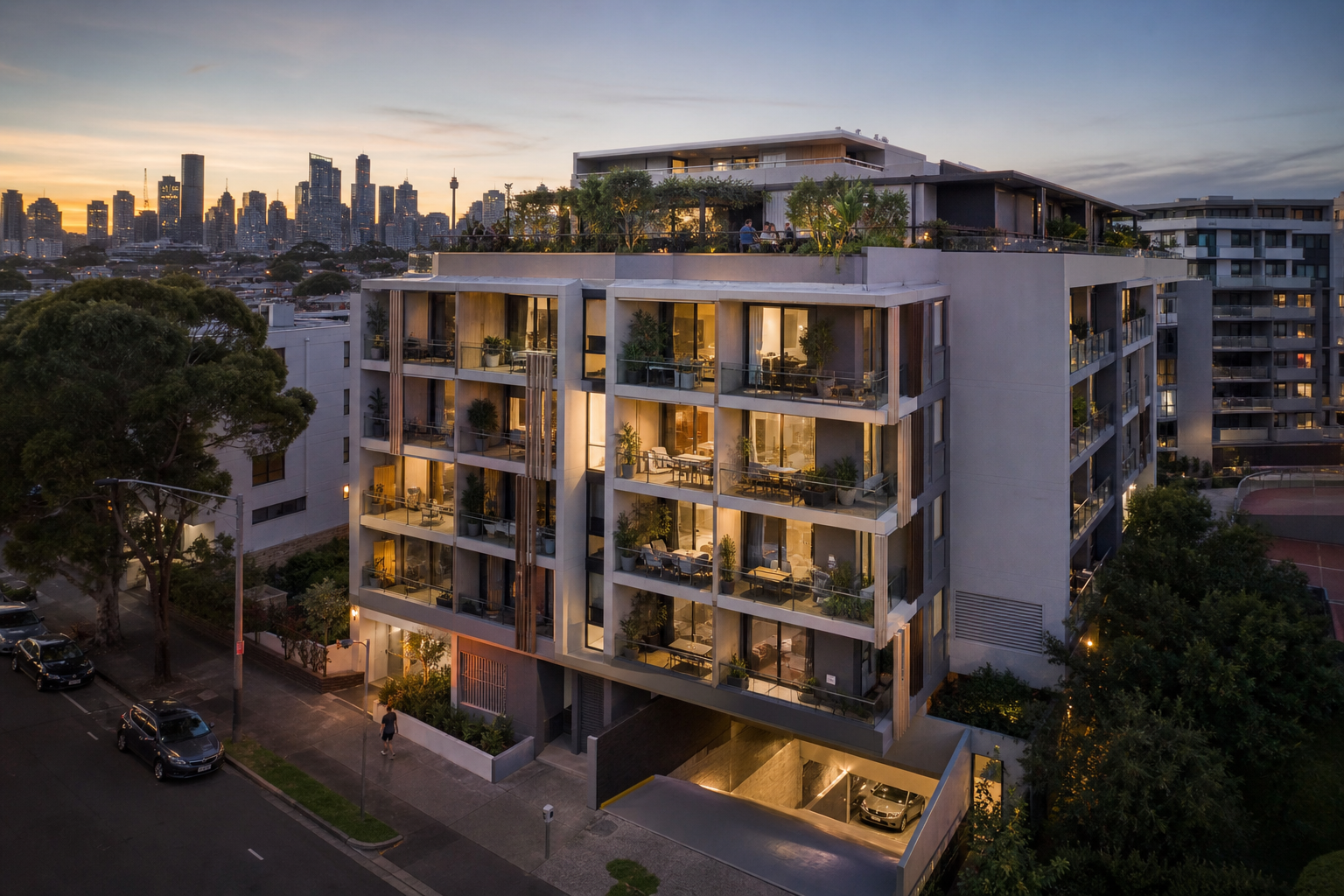
In Sydney’s inner south, car spaces, storage cages and shared facilities can make or break your loan approval.
For lenders, these aren’t “nice extras”. They directly affect valuation, maximum loan‑to‑value ratio (LVR) and how risky your apartment or townhouse is to resell if something goes wrong. In places like Green Square and Zetland, a car space alone can swing value by well over $50,000, which can be the difference between approval and a painful settlement gap.
This guide unpacks how different parking and storage setups are treated, what red flags valuers call out, and the practical steps you can take this week to protect your approval.
1. Why car spaces and storage matter so much to lenders
The lender’s lens: value, marketability, exit strategy
Every lender is asking three questions:
- What is this security worth today?
- How easy will it be to resell if needed?
- What is a safe LVR in this building and postcode?
Car spaces, storage cages and shared facilities affect all three.
- Value: On‑title parking and secure storage usually increase value; awkward or separate parking can reduce it.
- Marketability: A unit without parking in a car‑dependent pocket will appeal to a smaller buyer pool.
- Risk settings: In high‑density Green Square buildings, many lenders already apply tighter LVR caps and more conservative valuations. Extras are scrutinised harder than in a typical suburban block.
(For a broader lens on how property type shapes policy, see How Green Square Property Types Shape Your Home Loan Options.)
Typical Green Square and Zetland scenarios
In the inner south, valuers routinely see:
- One‑bed apartments with no parking but strong transport links.
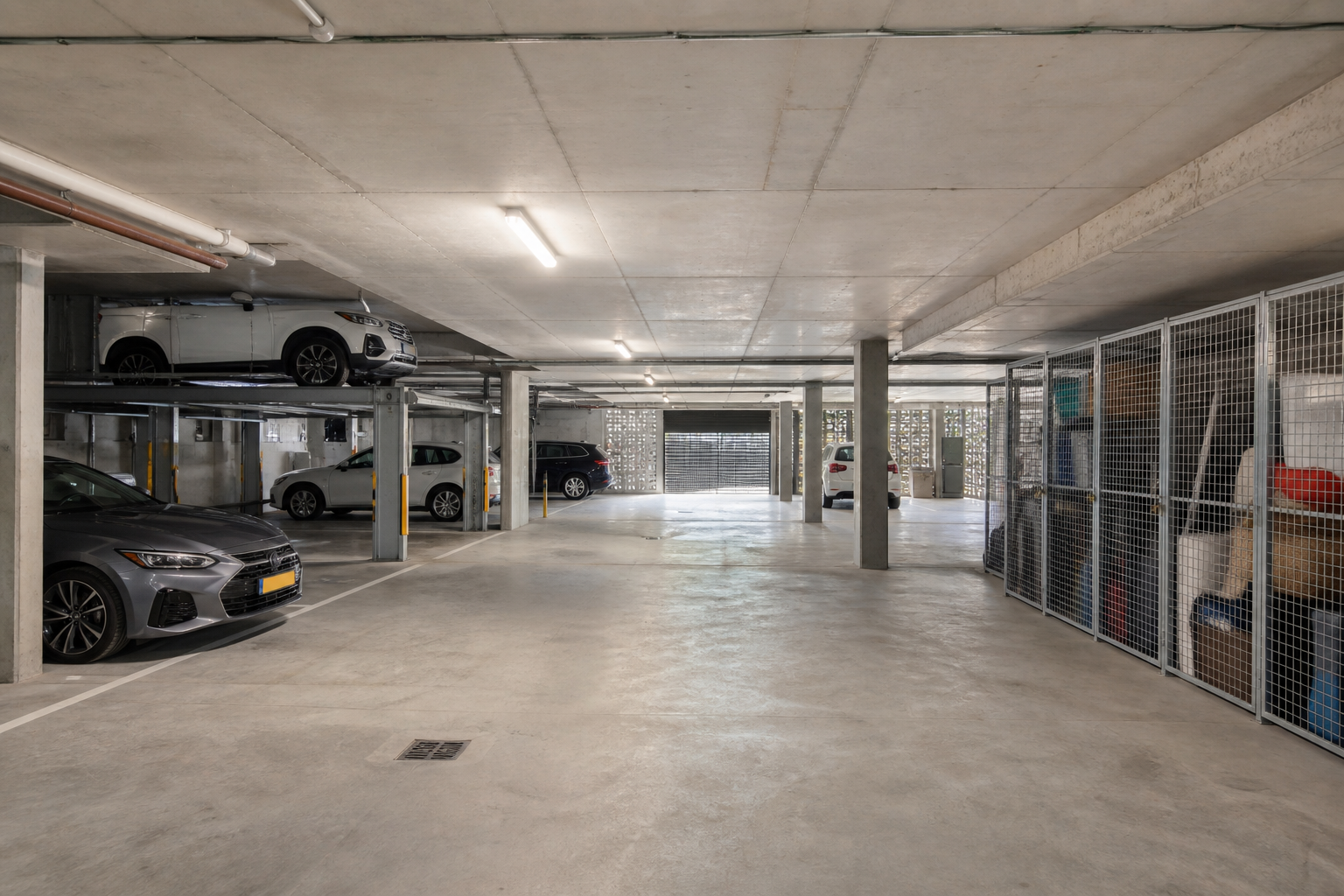
- Compact units with a stacker or car lift space instead of conventional parking.
- Separate car‑space lots in a different part of the building, or even different basement.
- Storage cages near car parks, sometimes poorly built or insecure.
- Extensive shared facilities: gyms, pools, co‑working spaces, roof gardens.
Each of these changes how a valuer compares your property to recent sales.
Quick answer: what helps vs what hurts approval
Helps approval (usually):
- On‑title, standard‑dimension car space, usable for most vehicles.
- Secure, on‑title storage cage with compliant construction.
- Shared facilities that are well maintained and not unusually expensive to run.
Hurts approval (often):
- No car space in a car‑dependent micro‑location.
- Car stackers, tandem, or very tight spaces with usage restrictions.
- Car space or storage on a separate title with extra levies or separate finance.
- Storage that encroaches on fire egress or is non‑compliant.
- Shared facilities pushing strata levies far above comparable buildings.
2. Car spaces: value impact and lender red flags
2.1 How much is a car space worth around Green Square?
In inner‑city markets, a good car space can be worth from $40,000 to north of $100,000, depending on:
- Proximity to heavy rail and bus links (e.g. Green Square vs fringe streets).
- Local street parking restrictions.
- Building density and number of visitor spots.
- Whether the space is exclusive use, on title or common property.
Valuers will look at recent comparable sales:
- 1‑bed with parking vs 1‑bed without.
- Same building, similar level and aspect where possible.
Worked example – Car space value swing
- Contract price: $900,000 for 2‑bed in Zetland with a standard car space.
- Valuer’s research: very similar units without parking selling around $820,000–$840,000.
- Valuer decides parking premium at $60,000.
If they see your car space as inferior (e.g. stacker), they may value it closer to the “no parking” sales, pulling your valuation down to $840,000–$860,000.
At 90% LVR:
- Expected lend on contract: 90% × $900,000 = $810,000.
- If valuation comes in at $850,000: 90% × $850,000 = $765,000.
- Settlement gap = $45,000 extra cash required.
That’s the real financial impact of how a valuer treats your parking.
2.2 Lender red flags with car spaces
Lenders tend to be wary when:
- No car space and no realistic alternative: e.g. 10+ minute walk to station, strict resident parking restrictions, minimal car‑share.
- Stackers or car lifts: Mechanical systems introduce additional risk (maintenance, breakdowns, usage limits for large vehicles). Some lenders treat stacker spaces as if there’s “no parking”.
- Very tight, awkward or encumbered spaces: Obstructions, columns, pipework, or legally shared driveways can limit use.
- Separate‑title car spaces: A separate lot number with its own title and levies can complicate finance and resale.
Where risk is higher, lenders may:
- Lower the valuation uplift they attribute to the car space.
- Impose a maximum LVR below their headline (e.g. 80% instead of 90–95%).
- Decline altogether if building or parking quirks breach policy.
If you’re already stretching your deposit, even a modestly lower car‑space value can trigger the same “valuation short” issues discussed in When Your Green Square Valuation Comes In Short: What To Do Now.
2.3 Comparison: standard space vs no parking vs stacker
| Feature | Standard car space (on title) | No car space (inner south, close to train) | Stacker / car lift space |
|---|---|---|---|
| Typical buyer appeal | High | Moderate | Mixed / niche |
| Indicative value impact | Baseline | −$40k to −$80k vs with parking | −$10k to −$50k vs standard space |
| Common lender treatment | Normal security | Case‑by‑case, some LVR caps or shading | Often discounted or treated as no car |
| Valuation risk | Standard | Higher in car‑dependent micro‑locations | High if stacker policy is restrictive |
| Resale marketability | Broad | Narrower, depends on transport and parking | Narrow; depends on buyer flexibility |
Figures are indicative only and will vary by building, street and market cycle.
3. Storage cages: small spaces, surprisingly big consequences
3.1 How valuers look at storage
Storage rarely has as large a dollar impact as parking, but it still matters for:
- Comparability: A 1‑bed with generous storage will sit at the stronger end of comparable sales.
- Marketability: In small apartments, good storage solves a key buyer pain point.
- Compliance and safety: Poorly built or placed storage can actually trigger valuation notes and lender concerns.
In Green Square and Zetland, many buyers actively look for:
- Secure basement storage cages with power (for bikes, boards, boxes).
- On‑title cages near their car space.
- Well‑designed internal storage (linen, pantry, laundry cupboards).
Valuers will note whether storage is:
- On the strata plan and on title.
- Located in a safe, accessible area.
- Consistent with the building’s standard fit‑out.
3.2 Risks and lender issues with storage cages
Red flags include:
- Informal or unapproved storage: Timber boxes, mesh extensions or private enclosures built without approval in common areas.
- Encroachment: Storage blocking fire exits, car‑park manoeuvring space or services.
- Security concerns: Cages that are easily accessible from public areas, or visibly damaged.
These can lead to:
- Valuers noting “non‑compliant storage” and excluding value.
- Building or fire‑safety issues being escalated to the lender.
- Strata being required to remediate, which feeds into higher future levies.
3.3 Separate‑title storage vs common property
Some developments create separate strata lots for storage cages. This can:
- Allow developers to sell or reallocate storage independently.
- Create different levy structures for storage lots.
From a lender’s point of view:
- Storage on the same title as the apartment is simpler, and its value is implicitly baked into the unit.
- Separate‑title storage can be:
- Ignored in the main valuation; or
- Valued separately with a modest uplift; or
- Treated as slightly riskier if it leads to complex ownership.
If you’re offered “bonus” storage on a separate title, ask your broker how your chosen lenders treat it before assuming it helps your borrowing power.
The strategy continues below
You've seen the problem and the groundwork — now unlock the exact steps our CPA-certified brokers use, including 5 more sections. Enter your email for instant, free full access.
Free access. No spam — unsubscribe anytime. Your details stay confidential.
Frequently asked questions
Will a unit without a car space always hurt my loan approval?▾
Are car stackers a deal‑breaker for banks?▾
Do storage cages add much to my valuation?▾
Can high strata levies make my home loan application fail?▾
What happens if the valuer thinks my car space is worth less than the agent claims?▾
Is it better to buy a cheaper unit without amenities to keep levies low?▾
Speak with a specialist advisor
Confidential consultation, bespoke advice for your situation.