Article
How to Safely Sell, Buy and Renovate When Upgrading in Mascot
Most Mascot upgraders underestimate how messy it gets when you try to sell, buy and renovate in one move. This guide shows you how to stage the sequence, structure the finance and protect your cashflow so you can upgrade and improve your new home without gambling the family balance sheet.
Key Takeaway
Upgrading and renovating in Mascot is safest when sale, purchase and renovation are treated as three separate but coordinated projects with clear cash buffers and peak debt limits. Using APRA’s 3% serviceability buffer and a 6–12 month cash reserve, buyers can choose between sell-then-buy, bridging, or keeping their unit while funding renovations via equity top-ups or construction loans. The key actionable insight: decide on a maximum peak debt and renovation budget before you list or sign any contract.
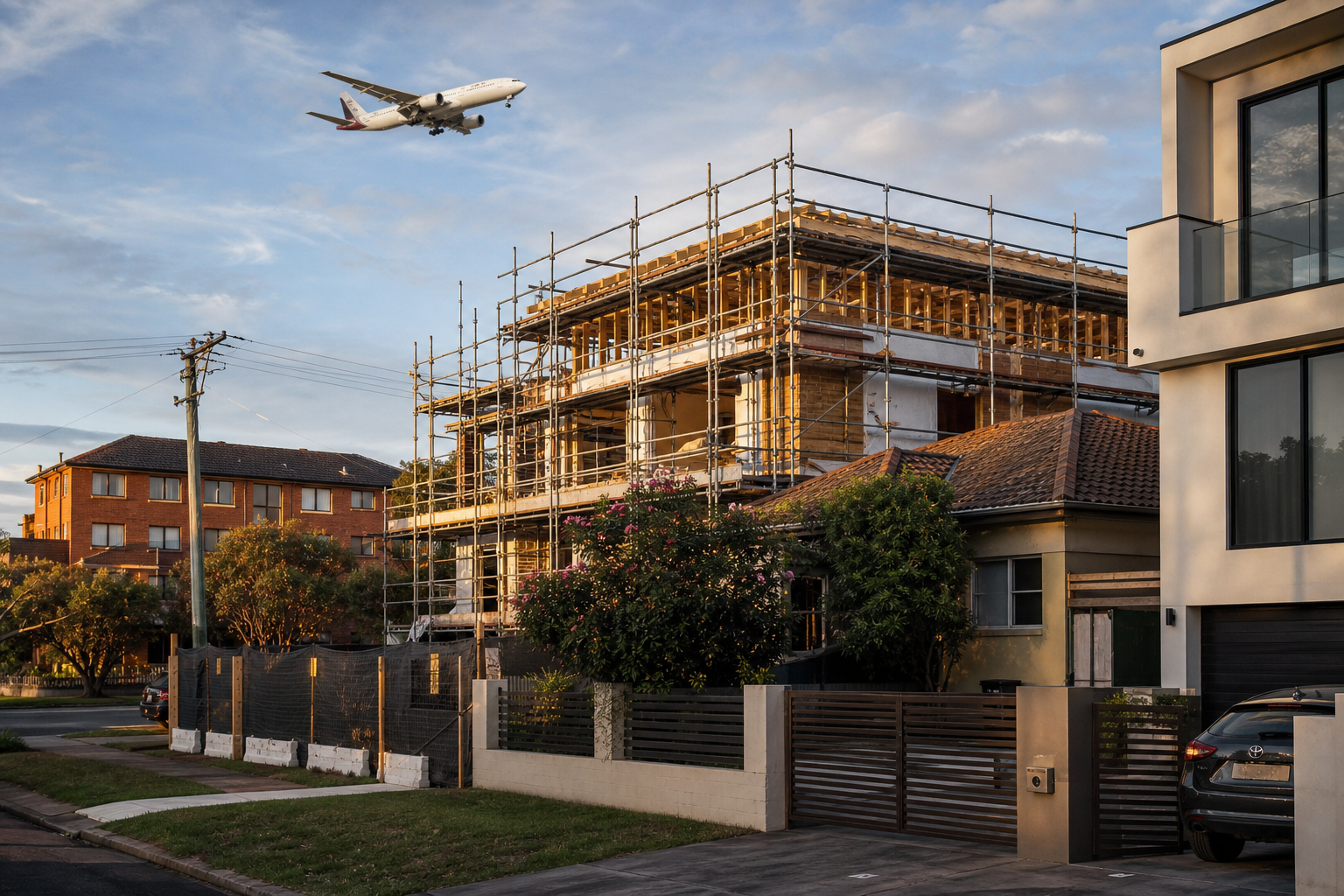
Most Mascot upgraders don’t get into trouble because they buy the “wrong” house. They get into trouble because they try to sell, buy and renovate in one heroic leap – and underestimate how brutal that can be on cashflow.
Coordinating a sale, a purchase and a renovation in Mascot means planning three separate projects and one number: your safe peak debt. Once that number is clear, you can choose a sequence and a loan structure that fits your real life, not just the bank’s maximum.
What I tell my clients in Mascot is simple: the calendar and the cashflow matter more than the property brochure. If we can get those right, the rest becomes logistics.
The real question: what’s your safe “peak debt”?
Before you decide whether to sell first, buy first or start renovating straight after settlement, you need one anchor: peak debt – the highest total debt you’ll owe at any point in the upgrade.
In practice, your safe peak debt is the lower of:
- What the bank will lend you (with APRA’s 3% serviceability buffer), and
- What you’re comfortable repaying after stress-testing your numbers.
I use a simple stress test with clients, building on the buffer framework from /insights/six-twelve-month-cash-buffer-mascot-property:
- Model repayments at an interest rate 3% above today’s rate.
- Add your realistic essential living costs (not a fantasy budget).
- Make sure you can hold 6–12 months of that stressed total cost in cash or true offset (towards the upper end if you’re self-employed).
A quick worked example
- Current Mascot unit loan: $550,000
- Likely sale price (conservative): $900,000
- Target house/townhouse: $1,600,000
- Purchase costs (stamp duty, legals, misc): ~$80,000
- Planned renovation: $250,000
If you buy for $1.6m and borrow the lot plus costs, you’re at ~$1.68m. Add your existing $550k until the unit settles and your peak debt could hit ~$2.23m.
For many Mascot families, the bank might technically say “yes” to that number. My question is: can you sleep at night with repayments stress-tested 3% higher, plus a renovation, plus kids, plus rising construction costs?
Often the honest answer is no – which is why we adjust the sequence, not the sleep.
Choose your sequence: de-risk one big move at a time
The biggest mistake I see is trying to do everything at once. The safest paths usually stage the risk.
There are three main sequences Mascot upgraders consider:
- Sell first, then buy, then renovate (most conservative)
- Buy with bridging, then sell, then renovate (timing flexibility)
- Keep the unit as an investment, buy, then renovate (max growth, max complexity)
I’ve written in more depth about these trade-offs in /insights/coordinating-sale-purchase-renovation-premium-home-cashflow. Here’s how they play out specifically in Mascot.
1. Sell-then-buy-then-renovate: safest for most families
Who it suits: Households who value certainty over squeezing every last dollar out of the market.
How it works in Mascot:
- Prepare and list your existing unit for sale.
- Aim for a long settlement (8–12 weeks) to give you time to buy.
- Once the unit is under contract, firm up borrowing capacity and buy within those numbers.
- Move into the new home.
- Then plan and fund the renovation once your new baseline cashflow is clear.
Pros:
- Clear budget from day one – you know exactly what equity you have.
- Lower peak debt; you’re rarely holding two full mortgages for long.
- Easier to protect your 6–12 month buffer.
Cons:
- Risk of not finding the “right” property in time.
- You might need short-term accommodation if transactions don’t line up.
2. Buy with bridging, then sell, then renovate: timing flexibility
This is where Mascot clients can get into trouble if they don’t understand how bridging interacts with renovation plans.
You’ll find more detail on bridging risks in /insights/one-specialist-broker-home-investment-business-loans-mascot.
Key points for Mascot upgraders:
- Your peak debt under bridging often equals:
Existing loan + new purchase price + costs – (sometimes) expected sale price discount. - Lenders often assess servicing as if you’re holding both properties at once, even if only for six months.
- Renovations are usually not funded inside the bridging limit; they’re a separate discussion.
If construction costs keep rising – and ABS data shows building input costs have been running well above general inflation – a sloppy bridging + renovation plan can leave you overexposed.
3. Keep the Mascot unit and upgrade: growth with complexity
Some of my sharpest clients want to keep the unit as an investment when they upgrade to a bigger home. I’ve unpacked the numbers in /insights/keep-or-sell-mascot-unit-when-you-upgrade.
This path is most viable when:
- You have usable equity in the unit for a deposit.
- The rent meaningfully covers the investment loan.
- You can still hold your 6–12 month buffer after funding the new purchase and renovation.
If keeping the unit means no buffer and a half-funded renovation, it’s usually a sign you’re asking your balance sheet to do too much.
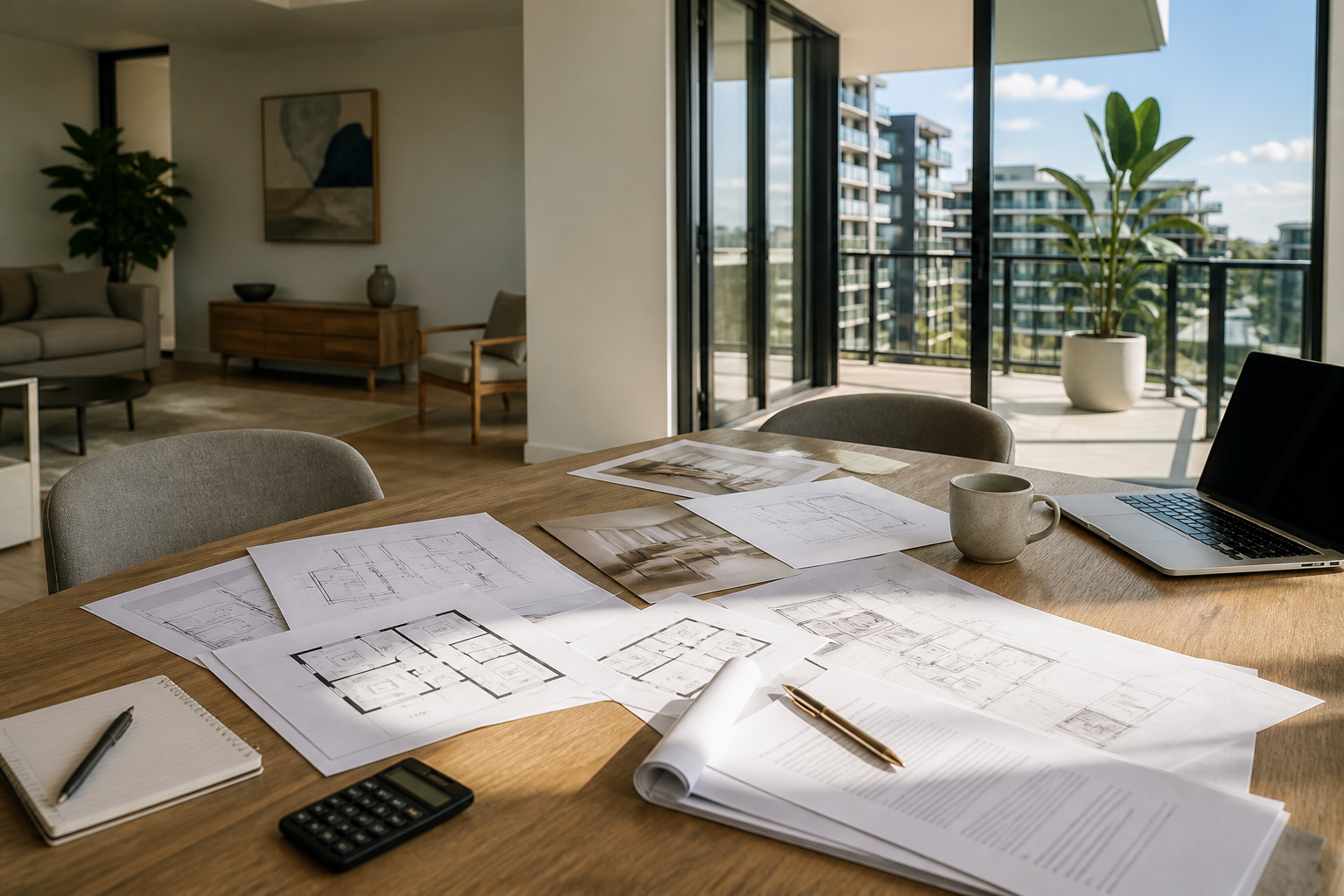 Treat sale, purchase and renovation as three linked but separate projects. ###…
The strategy continues below
You've seen the problem and the groundwork — now unlock the exact steps our CPA-certified brokers use, including 6 more sections. Enter your email for instant, free full access.
Free access. No spam — unsubscribe anytime. Your details stay confidential.
Frequently asked questions
Do I have to renovate immediately after buying in Mascot?▾
Is a construction loan always more expensive than a simple top-up?▾
Can I live in my Mascot home while using a construction loan?▾
What happens if my Mascot unit sells for less than expected?▾
I’m self-employed in Mascot – should I delay my renovation until after lodging tax returns?▾
Speak with a specialist advisor
Confidential consultation, bespoke advice for your situation.