Article
Smart Ways to Fund a Café or Retail Fit‑Out Without an Overdraft
A practical guide to funding an Australian café or retail fit‑out without leaning on your bank overdraft, including equipment finance, unsecured business loans, landlord contributions and tax‑smart structures.
Key Takeaway
Funding a café or retail fit-out without relying on a bank overdraft typically involves combining equipment finance, unsecured business loans, and landlord or supplier contributions to match repayment terms to asset life and protect cashflow. For many Australian SMEs, keeping total equipment and fit-out repayments under 15–25% of stable revenue is a prudent threshold. The article provides concrete examples, eligibility tips, and a step-by-step one-week action plan so small business owners can structure fit-out finance safely and tax-effectively.
Watch the short answer
How business debt, home loans and tax strategy fit together
If you juggle business and home loans, this shows how they link with your overall tax position.
Read the transcript
Your business debt, your home loan, and your tax strategy are all fighting each other. When self-employed operators use different banks, an accountant, and a generic online broker, their financial web becomes tangled. Your business equipment loan starts blocking your residential refinance. We act as the central architect. We map your entire portfolio, placing your asset finance, commercial loans, and residential debt in strategic isolation so one doesn't drag down the other. Untangle your wealth. DM me the word 'ARCHITECT' for a holistic portfolio review.
General information only, not personal advice. Your situation is assessed before any recommendation.
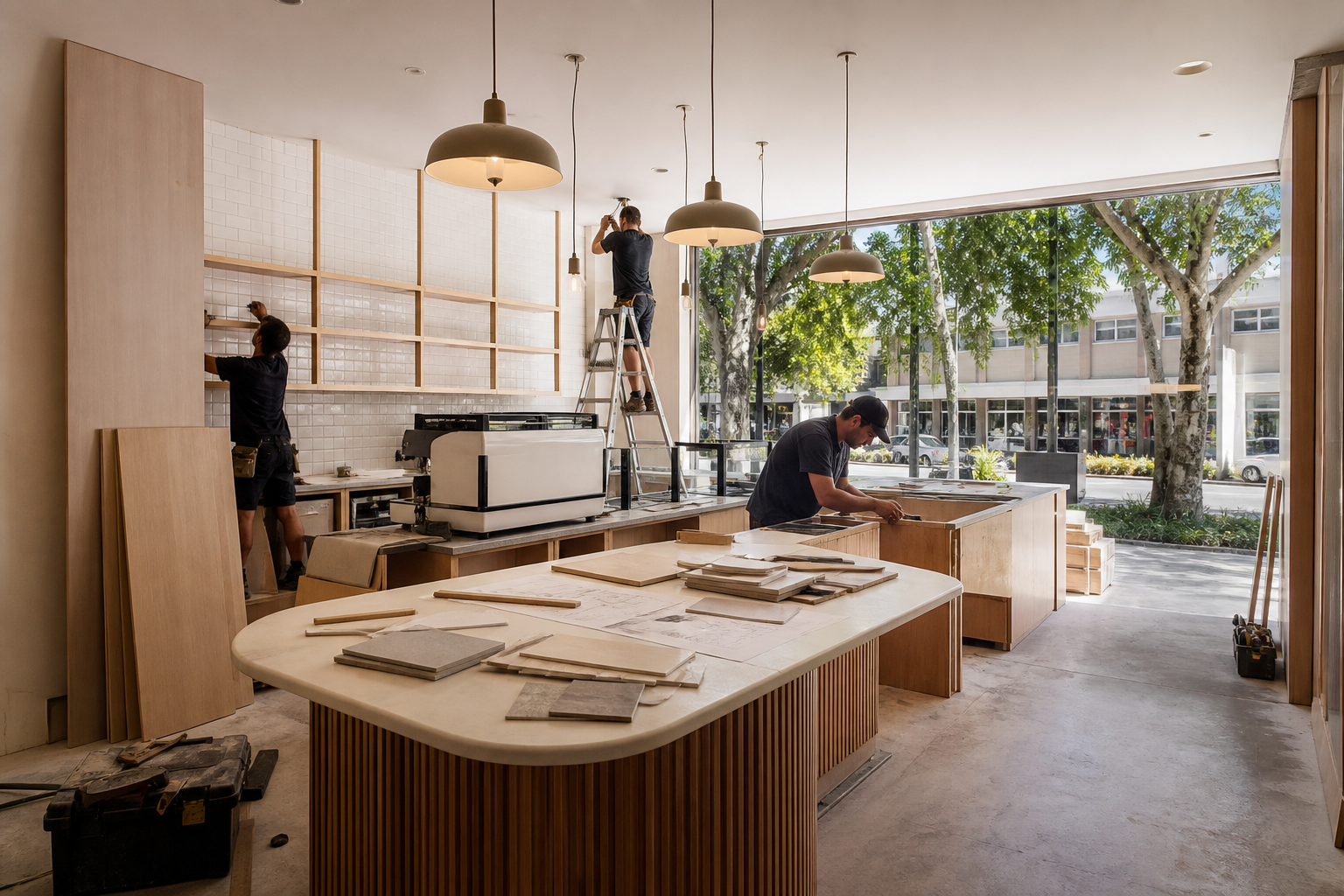
This topic is covered in full on Local Knowledge Finance
A practical guide to funding an Australian café or retail fit‑out without leaning on your bank overdraft, including equipment finance, unsecured business loans, landlord contributions and tax‑smart structures.
Read the full guide on ding.financialOpening a café or shop usually lives or dies on the fit‑out.
In Australia, a typical small café or retail fit‑out can easily run from $120,000 to $400,000 once you add design, joinery, plumbing, electrical, refrigeration, POS and initial stock. The core decision is how to fund all this without strangling cashflow or risking the family home.
The short answer: lean on purpose‑built business finance (equipment finance, unsecured business loans, supplier and landlord contributions) and keep the overdraft and home loan redraw as last‑resort buffers, not primary construction funding. Matching loan terms to asset life, and ring‑fencing business risk from the home, is usually the safest path.
This guide is written so you can make decision‑grade moves this week, whether you’re:
- signing a new café lease
- refitting an existing retail shop
- expanding from one site to two or three.
We’ll cover the main funding options, how lenders assess you, and exactly what to line up before you sign a fit‑out contract.
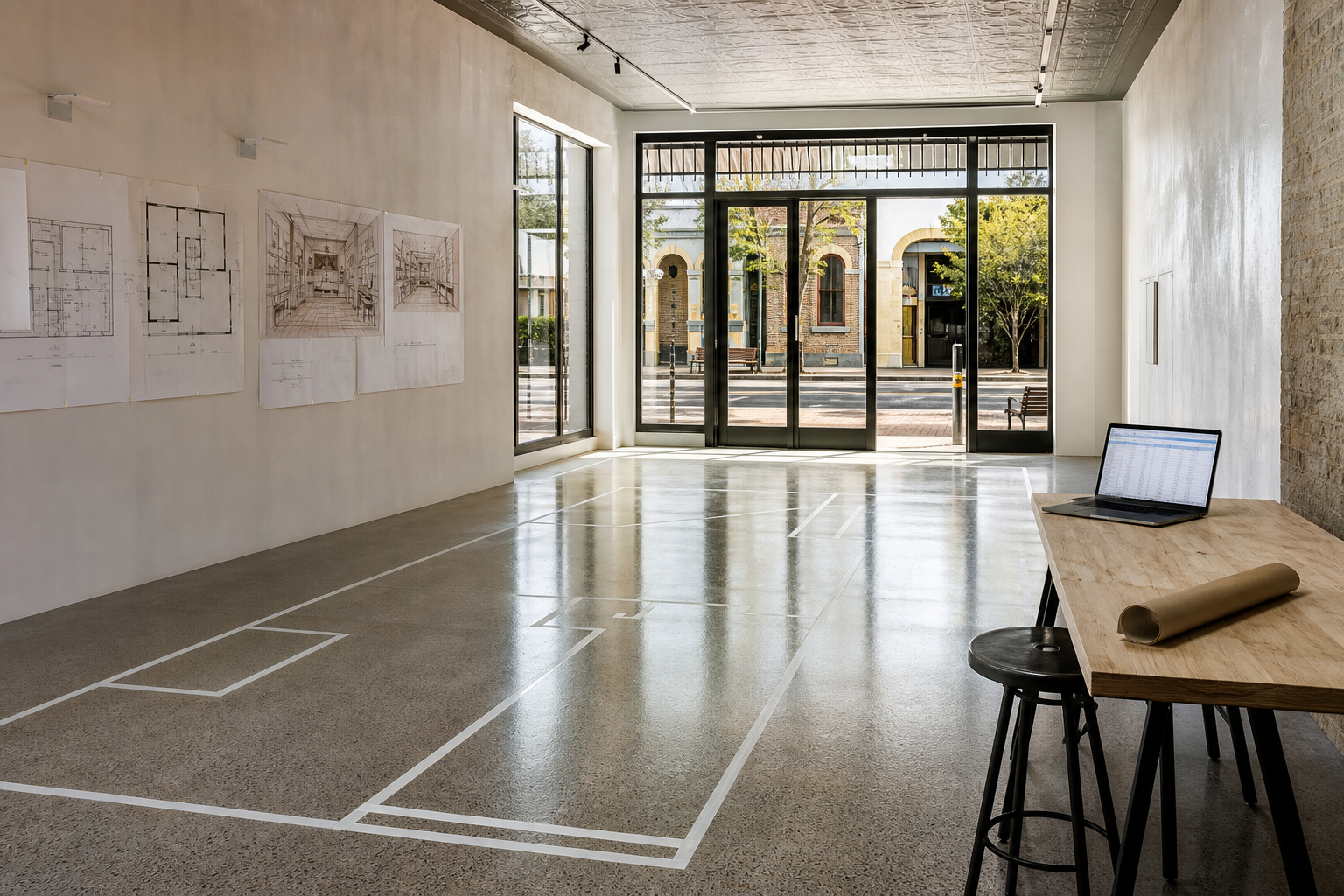
1. Why the overdraft is a risky way to fund a fit‑out
1.1 What an overdraft is really for
A business overdraft is best used as a short‑term working capital buffer:
- smoothing timing gaps between paying suppliers and getting paid
- covering tax instalments when sales are seasonal
- handling one‑off shocks (equipment failure, staff illness, big repair).
It is not designed to fund a large, one‑off project like a full café or retail shopfitting. Here’s why.
1.2 Four problems with using an overdraft for fit‑out
-
No natural end date
Fit‑outs and equipment have a 3–7 year life. Overdrafts are technically repayable on demand. There’s no set term that forces you to clear the debt before the fit‑out is tired. -
Cashflow choke
Overdrafts are usually interest‑only until the bank gets nervous. If your limit is permanently maxed for the fit‑out, you’ve got no room left for actual working capital. One quiet month and the bank can reduce or cancel the facility. -
Cross‑contamination of risk
Many overdrafts are secured by residential property or all‑assets charges. When the facility is blown out by fit‑out costs, business stress can flow straight through to your home or other assets. -
Messy tax and reporting
Mixing long‑term fit‑out spend with day‑to‑day outgoings makes it harder for your accountant to track asset costs and interest. That complicates depreciation, GST and any later sale of the business.
In most cases, you’re better off keeping the overdraft as an emergency lane and using more structured facilities for the build.
2. Core fit‑out finance options for cafés and retail
2.1 The main building blocks
Most well‑structured funding plans combine three or four of these:
- Equipment / asset finance – for coffee machines, ovens, fridges, POS, display units.
- Fit‑out / unsecured business loan – for joinery, flooring, plumbing, electrical, branding, design, approvals.
- Landlord contributions or rent‑free periods – effectively a form of finance built into the lease.
- Supplier terms – extended payment terms on stock, sometimes on equipment.
- Owner cash / investor funds – for contingencies and to reduce risk.
Using a mix spreads risk and matches repayment terms to asset life, which is a key principle across all commercial finance.
2.2 Sample funding mix – worked example
Say you’re fitting out a small café:
- Total project budget: $250,000
- Equipment (coffee machine, grinders, kitchen, POS, fridges): $110,000
- Joinery, flooring, plumbing, electrical: $110,000
- Design, approvals, contingency: $30,000
A safer funding structure might look like:
- Equipment finance: $110,000 over 5 years (secured by the assets)
- Unsecured business loan: $90,000 over 4 years (for joinery + trades)
- Landlord incentive: $30,000 contribution or 6 months rent‑free
- Owner equity: $20,000 cash contingency
This approach:
- leaves your overdraft largely untouched
- avoids rolling all $250,000 into a 25–30 year home loan (which can triple total interest – see accumulated fact #18)
- creates a clear end date for fit‑out debt that matches the lease term.
We’ll unpack each component next.
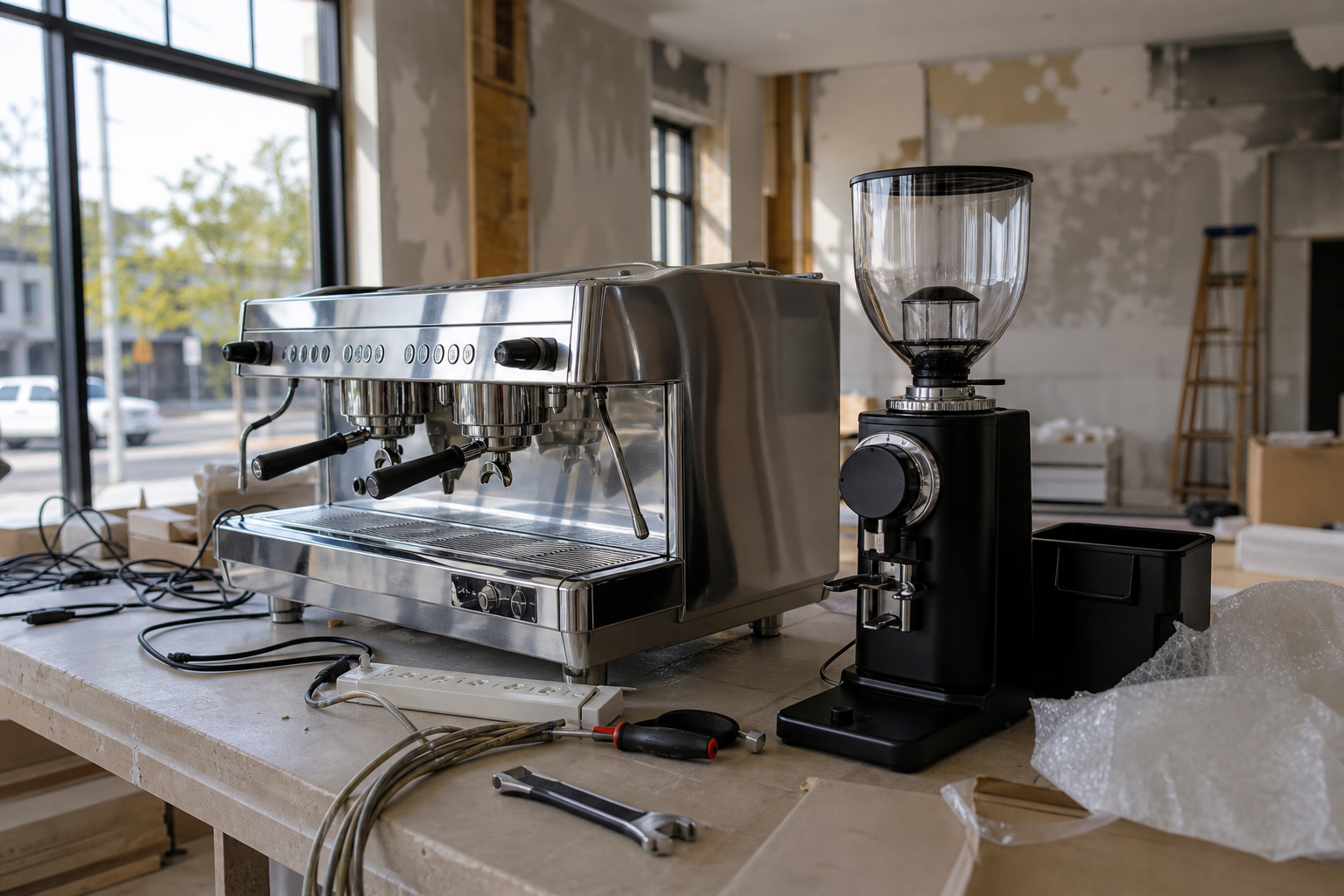
3. Equipment finance for cafés and retailers
3.1 What counts as “equipment” versus “fit‑out”?
Lenders usually treat as equipment anything that can be:
- separately identified (serial number, model)
- removed and resold without wrecking the premises.
Common café and retail equipment:
- espresso machines and grinders
- ovens, cooktops, dishwashers
- refrigerators, cool rooms, display cabinets
- POS systems, scanners, printers, EFTPOS hardware
- CCTV, security systems, some audio‑visual gear.
Joinery firmly glued to the walls or custom‑built counters may fall into a grey zone. Some can be funded as equipment; some sits in the fit‑out bucket.
3.2 How equipment finance works
Equipment finance is usually a secured, asset‑backed loan over 3–7 years, structured as:
- chattel mortgage
- equipment loan / asset loan
- commercial hire purchase
- lease or rental (less common for hospitality fit‑outs now).
Key features:
- up to 100% of the equipment cost funded for strong applicants
- fixed or variable rate
- balloon / residual options to manage repayments
- security is mostly the asset itself, not your home.
As noted in other guides, using stand‑alone equipment finance over 3–7 years usually better matches asset life and reduces concentration risk on your home than a 25–30 year property‑backed top‑up (see).
3.3 Example – espresso machine and refrigeration package
- Equipment cost: $80,000 (new)
- Term: 5 years
- Structure: chattel mortgage
- Indicative rate: 9.5% p.a. (for illustration only)
Using a standard amortising loan:
- Monthly repayment ≈ $1,684
- Total payments ≈ $101,040
- Approximate interest over term ≈ $21,040
If you instead rolled this $80,000 into a 25‑year home loan at 6.0% p.a.:
- Monthly repayment ≈ $515
- Total payments ≈ $154,500
- Interest ≈ $74,500 on the equipment component alone.
Lower monthly repayments, but over three times the total interest, and higher risk on the home – a pattern echoed across multiple knowledge facts in our hub.
3.4 Documents lenders expect
For equipment finance, the paperwork scales with loan size and your profile. As detailed in /insights/equipment-finance-paperwork-step-by-step-list, you should be ready with:
- ID and business registration (ABN/ACN)
- last 6–12 months business bank statements
- last 1–2 years financials and tax returns for larger deals
- copies of equipment quotes or invoices
- lease agreement (for the premises) if relevant.
Tidying up your bank conduct – no overdrawn balances or dishonours for 4–8 weeks – can materially improve both approval odds and pricing (see).
3.5 New vs used café equipment
Used gear can be tempting, but lenders see it as higher risk. As covered in our used‑equipment guide, expect:
- lower maximum LVRs (you may need a deposit)
- shorter loan terms (3 years instead of 5–7)
- slightly higher pricing.
If your budget is tight, sometimes it’s better to lease a smaller space with new, financeable equipment than buy a larger space full of second‑hand gear you must fund from cash.
The strategy continues below
You've seen the problem and the groundwork — now unlock the exact steps our CPA-certified brokers use, including 11 more sections. Enter your email for instant, free full access.
Free access. No spam — unsubscribe anytime. Your details stay confidential.
Frequently asked questions
Can I get café or retail fit-out finance as a brand-new business?▾
How long should I finance a café fit-out for?▾
Do I need to secure my fit-out loan with my home?▾
Is leasing equipment better than using a chattel mortgage?▾
Can I claim the interest on fit-out finance as a tax deduction?▾
What happens if my fit-out costs more than the approved finance amount?▾
How quickly can I organise finance for a café or retail fit-out?▾
Speak with a specialist advisor
Confidential consultation, bespoke advice for your situation.