Article
High-Density Postcodes & Tiny Apartments: What Lenders Really Block
Many lenders quietly cap LVRs or decline loans on small apartments and high-density postcodes. Here’s how postcode risk lists, minimum sizes and tighter policy affect your borrowing power – and what you can practically do this week to keep your options open.
Key Takeaway
Australian lenders are tougher on tiny apartments and high‑density postcodes because they see higher resale and valuation risk, so borrowers often face lower LVR caps, stricter minimum size rules (commonly 40–50m² internal), and more conservative valuations. This can force buyers to find an extra 5–20% deposit or risk contract breaches if valuations come in low. Understanding postcode risk lists and planning buffers before signing gives borrowers room to move and preserves borrowing capacity.
Watch the short answer
Home loans when you earn through digital platforms or rolling contracts
Earning through gigs or platforms This video explains how lenders assess that income.
Read the transcript
If you earn your living through digital platforms or rolling contracts, standard banks will treat you like you're unemployed. Retail credit systems are built for the 1990s definition of a 9-to-5 payslip. When they see fluctuating invoices, they panic. At Local Knowledge Finance, we specialise in the modern economy. We utilise lenders who understand digital revenue, creator funds, and specialised contracting. We smooth out your income using advanced alt-doc policies to present a rock-solid case to a human underwriter. Your modern income needs a modern broker. DM me 'CREATOR' to unlock your actual buying power.
General information only, not personal advice. Your situation is assessed before any recommendation.
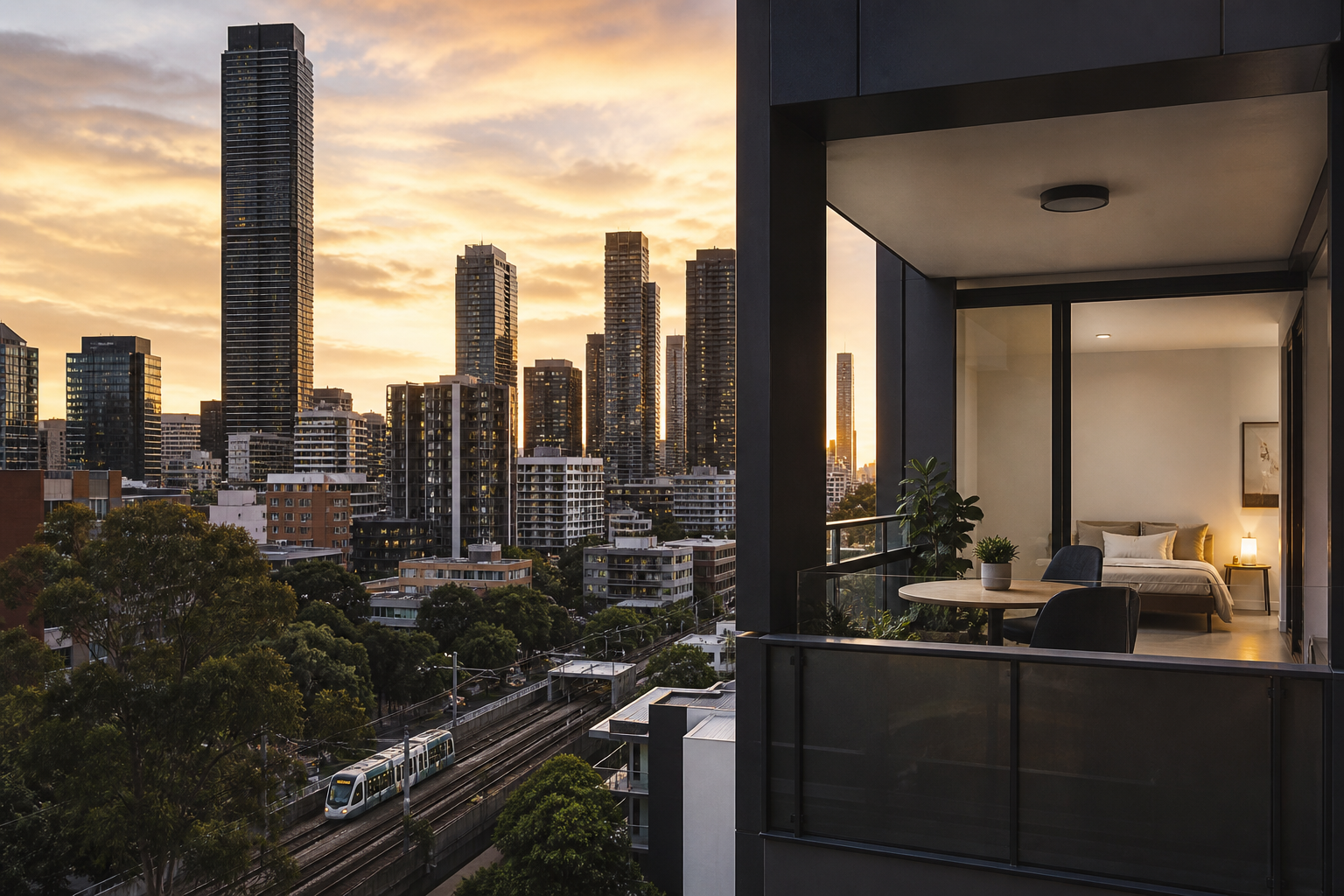
Many Australian lenders make loans harder on tiny apartments and high‑density postcodes because they see higher resale and valuation risk, so they quietly cap maximum LVRs, enforce minimum unit sizes and sometimes decline whole buildings. If you’re buying or refinancing in a tower, or looking at a very small studio, you need to check postcode and size rules before you sign, or you can end up scrambling for cash when the valuation lands.
Fast answer: High‑density apartment lending usually means lower LVR caps (often 70–80% instead of 90–95%), stricter minimum internal sizes (commonly 40–50m²), conservative valuations and more detailed building checks. The smaller the unit and the more investor‑heavy the postcode, the tougher most banks will be.

1. Why lenders worry about high-density postcodes and tiny units
1.1 The three core risks banks see
Most bank credit policies treat high‑density postcodes and very small apartments as special cases because of:
- Resale risk – In a tower with hundreds of near‑identical units, it’s harder to stand out if you have to sell in a hurry.
- Valuation volatility – Oversupply and investor heavy areas can mean bigger swings in values when the market turns.
- Building and defect risk – More complex structures, combustible cladding and waterproofing issues can make some buildings almost un‑lendabIe.
These themes run through lender policies on Green Square, Zetland and inner‑south Sydney. Our guides on APRA rules and LVR caps in inner‑south apartments and high‑density and mixed‑use Green Square buildings step through how often this bites in practice.
1.2 What counts as “high density” to a bank?
There’s no single legal definition, but typical triggers are:
- Large complexes (e.g. 50–100+ units, multiple stages or towers).
- Postcodes with a very high percentage of units vs houses.
- Mixed‑use zoning (retail, commercial and residential in one building).
If a postcode appears on a lender’s internal “high‑density” or “postcode risk” list, you’ll usually see extra rules like lower LVRs or minimum floor areas.
The strategy continues below
You've seen the problem and the groundwork — now unlock the exact steps our CPA-certified brokers use, including 5 more sections. Enter your email for instant, free full access.
Free access. No spam — unsubscribe anytime. Your details stay confidential.
Frequently asked questions
Why are loans on small studio apartments harder to get?▾
What is the minimum apartment size for a mortgage in Australia?▾
How do high-density postcode LVR caps work?▾
Can I still get a home loan on a tiny apartment?▾
How can I reduce the risk of a low valuation on a high-density unit?▾
Speak with a specialist advisor
Confidential consultation, bespoke advice for your situation.