Article
How To Negotiate With Equipment Vendors When Finance Is Involved
A practical Australian guide to negotiating with equipment vendors when you’re using finance, including subject-to-finance clauses, aligning settlement with approval, and securing better terms without risking your cashflow.
Key Takeaway
This guide explains how Australian small businesses can safely negotiate with equipment vendors when using finance, by separating price discussions from loan arrangements and locking in subject-to-finance clauses. It highlights that total repayments should generally sit within 15–25% of stable revenue, reducing cashflow risk, and shows how to align settlement timing with approval and delivery. The key actionable insight: negotiate as a ‘cash buyer’ with independent finance lined up, then use timing and certainty to secure better price and terms.
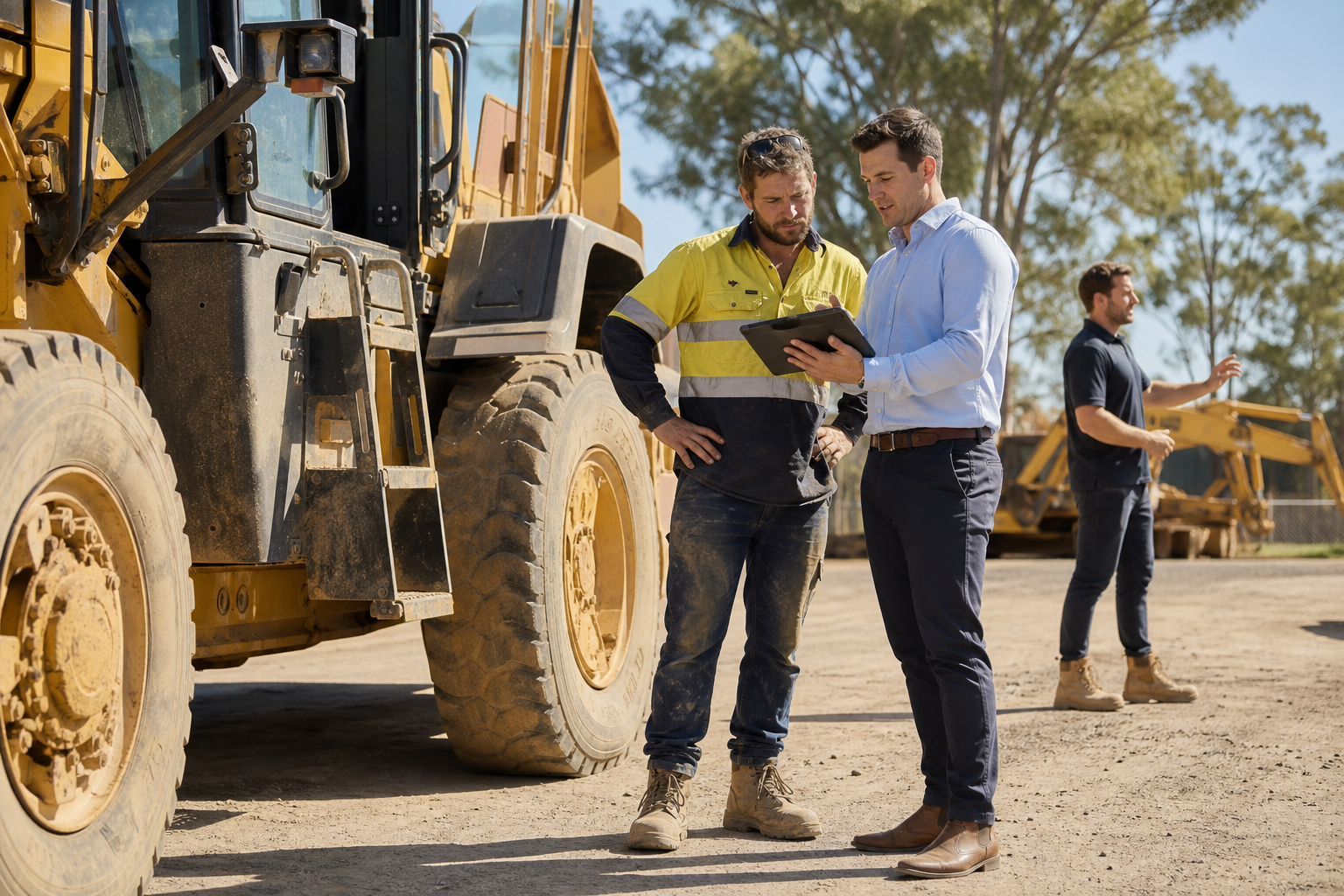
When you’re buying business equipment with finance, you’re not just negotiating with the vendor – you’re negotiating with the lender in the background too. The safest way to do it is to separate the price from the loan, lock in clear ‘subject to finance’ and settlement clauses, and make sure nothing is signed that commits you before finance is genuinely in place.
In practice, that means you negotiate the equipment like a cash buyer, but make payment and delivery conditional on your finance being approved on acceptable terms and within a realistic timeframe. Done well, you can still push hard on price, protect your cashflow, and avoid being cornered into expensive or unsuitable finance.

1. The real risk when finance and vendors mix
1.1 Why vendor-driven finance can be dangerous
Many dealers and vendors are now effectively mini finance shops. They’ll offer ‘easy’ or ‘instant’ finance in-house, often with:
- Very quick approvals, but
- Limited explanation of total cost
- Balloon or residual structures you don’t fully control
- Long terms that outlast the realistic life of the asset.
As we’ve covered in dealer vs broker comparisons, this creates a conflict of interest: the vendor’s priority is to move stock at the highest possible margin, not to optimise your long‑term finance.
When the same party controls both the price and the finance, you lose leverage. They can ‘give’ you a discount on price while quietly recouping it through higher interest, fees, or an over‑sized balloon.
1.2 Cashflow, not just price, is on the line
For most small businesses, total equipment finance repayments are safest when they sit around 15–25% of stable or clearly contracted revenue, with at least 1.25–1.5 times coverage from free cashflow after expenses and drawings.
If vendor‑driven finance pushes you beyond that range, you’re paying for today’s discount with tomorrow’s stress. Before you sign any order, you need to know:
- What will the likely repayments be?
- How do they compare to your current and realistic future revenue?
- Will the asset genuinely lift revenue or save costs enough to justify those repayments?
1.3 Your ideal position: negotiate like a cash buyer
The cleanest structure is:
- You negotiate the equipment price and inclusions separately.
- You arrange independent finance through a broker or lender who isn’t tied to the vendor.
- You sign a purchase order that is subject to satisfactory finance approval.
This is exactly why separating finance from asset negotiation gives you more leverage, as we explored in the dealer-vs-broker guide: you can push hard on price without the vendor “making it back” in the loan.
2. Getting your finance story ready before you negotiate
2.1 Know your realistic borrowing power for equipment
Before you start talking price, get a clear handle on what lenders are likely to do for the type of equipment you want.
Most small businesses can usually borrow, for standard equipment:
- 80–100% of the cost for new, standard, easily resaleable gear
- 60–90% for used assets, with shorter terms and often higher pricing.
If you’re not sure what’s realistic for your asset type, read: How Much You Can Borrow For Business Equipment In Australia.
2.2 Decide: full-doc, alt-doc or low-doc?
Lenders will look at:
- Your financials and tax returns (full‑doc)
- BAS, bank statements or contracts (alt‑doc)
- Or streamlined evidence for smaller deals (low‑doc).
Low‑doc and no‑financials loans can get gear in place fast, but as we covered in /insights/low-doc-no-financials-equipment-loans-guide, they usually mean:
- Higher interest rates
- Stricter limits
- Shorter terms or tighter balloons.
If you know you’ll likely need low‑doc, factor that extra cost into what you can afford before you agree on a purchase price.
2.3 Match term and balloon to asset life
One key principle: match the loan term and any balloon to the realistic working life and resale value of the asset, not just the lowest monthly repayment.
For example, safe construction and earthmoving equipment finance often runs 4–7 years, because that’s roughly the equipment’s productive life. Stretching to a 10‑year term just to lower the monthly figure can leave you paying for dead gear.
We go into detail on the impact of term and balloon on total cost here: True Cost of Equipment Finance: Turning Headline Rates into Real Numbers.
The strategy continues below
You've seen the problem and the groundwork — now unlock the exact steps our CPA-certified brokers use, including 6 more sections. Enter your email for instant, free full access.
Free access. No spam — unsubscribe anytime. Your details stay confidential.
Frequently asked questions
What does ‘subject to finance’ mean when buying equipment?▾
Should I tell the equipment vendor I’m using finance?▾
Is dealer finance always more expensive than using a broker?▾
How big a deposit should I pay before finance is approved?▾
Can I negotiate equipment price and ask for seasonal repayments?▾
What if the vendor insists I use their preferred finance provider?▾
Speak with a specialist advisor
Confidential consultation, bespoke advice for your situation.