Article
Green Square Oversupply, Incentives and Investor Ratios: A Lending Playbook
Oversupply, developer incentives and high investor ratios make Green Square lending very different to a standard Sydney suburb. This guide shows buyers, refinancers and investors how banks actually see these buildings – and the practical steps to protect your approval, valuation and settlement.
Key Takeaway
Oversupply, developer incentives and high investor ratios in Green Square make lenders apply lower LVR caps, stricter income shading and more conservative valuations to many apartment buildings. With around one‑third of Australian mortgage holders already ‘At Risk’ of stress, per Roy Morgan 2026, banks are particularly cautious on high‑density postcodes. Buyers and investors should run conservative numbers, strip out incentives, stress‑test at +3% interest rates and confirm building‑specific policies with a broker before signing any contract.
Watch the short answer
Australian expats investing back home
If you are overseas and eyeing an Australian property, this clip shows how lenders may view your foreign income.
Read the transcript
Australian expats trying to invest back home face an incredibly frustrating barrier. Major banks use massive currency shading models that slash your real foreign income by up to 30% on paper, making you look like you can't afford a loan. We use cross-border specialist lenders who evaluate your actual global earnings without the penalising retail haircuts. Keep building your Australian portfolio. DM me 'EXPAT' to check your true capacity.
General information only, not personal advice. Your situation is assessed before any recommendation.
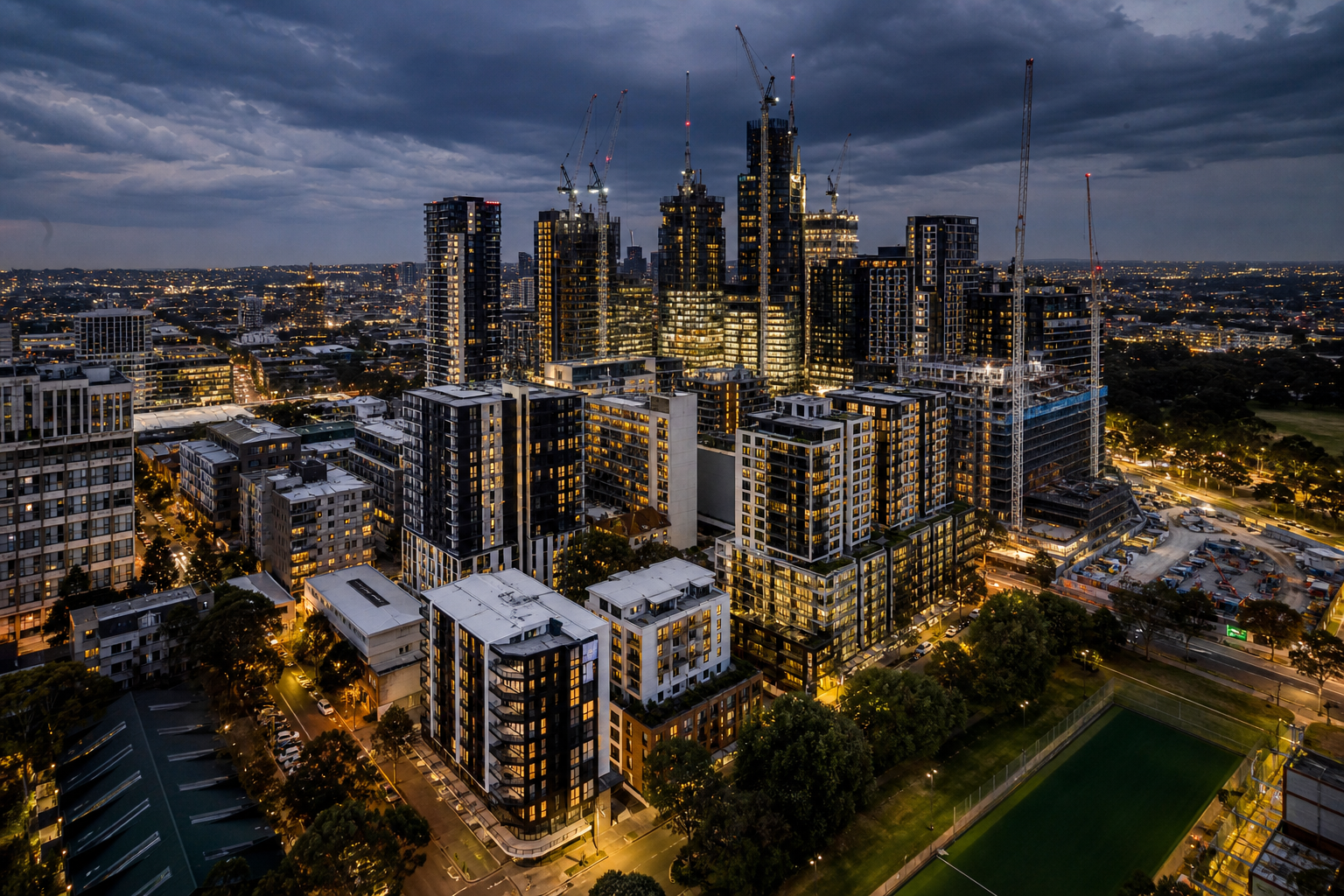
Oversupply and high investor ratios in Green Square mean banks don’t treat these apartments like a normal suburban house. Lenders see extra risk in resale, rents and valuations, so they tighten LVR caps, shade rental income and often ignore flashy developer incentives. If you’re buying or refinancing in Green Square or Zetland, you need to assume more conservative bank numbers than the sales brochure and plan your cash and loan structure accordingly.
In this guide we’ll unpack how oversupply, incentives and investor-heavy buildings actually show up in lender policy – and what you can do this week to protect your approval and settlement.
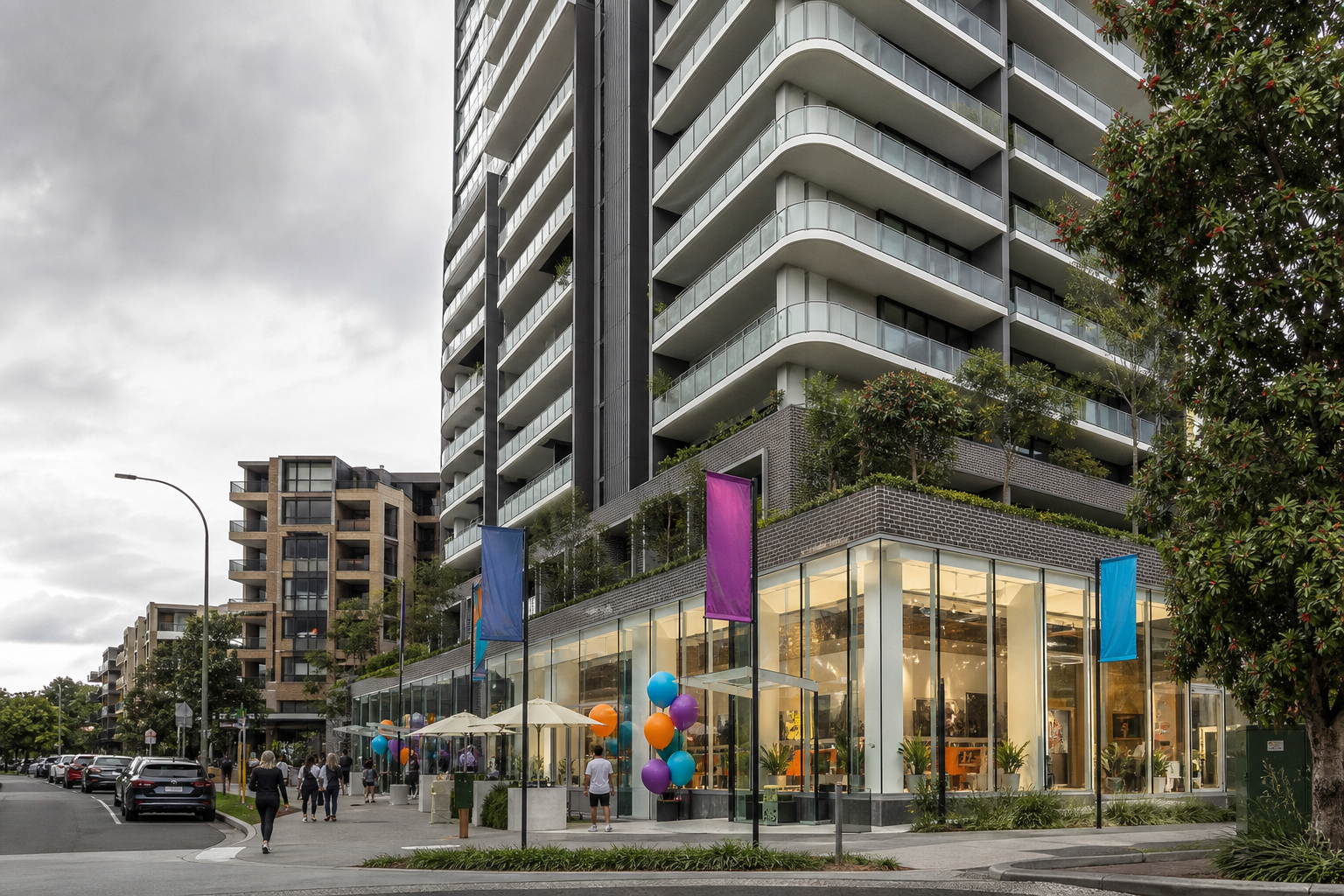
1. Why Green Square Lending Feels “Different” Right Now
1.1 The basic problem: lots of units, concentrated risk
Green Square and Zetland combine:
- High density and mixed-use towers
- Large stages of similar stock coming to market together
- Heavy investor ownership in some blocks
- A history of high-profile defect issues across the broader inner-south
Put that against an RBA setting where financial conditions are “somewhat restrictive” and mortgage repayments are already biting households, and banks get very cautious about what happens if prices or rents soften again.
APRA already requires a minimum 3% serviceability buffer above actual rates. In practice, many lenders go further in suburbs they see as higher risk. That’s why inner-south apartments often face tighter rules than a freestanding house in a middle-ring suburb.
If your parent article is about managing valuation and settlement risk in Green Square projects, this piece is about why that risk exists – and how to design your finance so it doesn’t bite you.
1.2 The three forces lenders watch in Green Square
For this pocket of Sydney, most bank credit teams are quietly focused on three questions:
- Oversupply risk – Are there too many similar units, making resale and valuations fragile?
- Incentives – Is the real sale price lower than the contract because of rebates and freebies?
- Investor ratios – Is the building dominated by investors, making rents volatile and body corporate decisions purely financial?
Each of these feeds back into key levers: maximum LVR, valuation assumptions, rent used, and whether the bank wants the deal at all.
2. Oversupply: How Too Many Similar Units Hit Your Loan
2.1 What “oversupply” means in bank language
Banks don’t publish a hard threshold for oversupply, but for Green Square they tend to look at:
- Number of units in a tower and across the precinct
- How many comparable sales are on the market at the same time
- Planned new stock (using ABS Building Approvals and local intel)
- Time on market and discounting trends
The ABS June 2026 Building Approvals release shows a strong rise in multi-unit approvals nationally, with NSW a key contributor. On the ground, that translates into more similar apartments competing for the same buyers and renters over the next few years.
In an oversupplied market, banks ask themselves:
“If this borrower can’t pay, how hard would it be for us to sell this particular unit without taking a bath?”
If the answer is “hard”, expect tighter lending.
2.2 The valuation impact of oversupply
Valuers are paid to be conservative, not optimistic. In oversupplied pockets like Green Square:
- Comparable sales are capped to recent settled transactions, not optimistic agent price guides.
- Discounting is factored in where multiple similar properties have been cutting prices.
- Time on market is reflected in a lower valuation than you might expect from open home chatter.
This can be particularly stark for off-the-plan buyers settling into a stage where dozens of near-identical units hit the resale market at the same time. Our related piece on what happens if your Green Square valuation comes in short at settlement goes deeper into that risk.
2.3 Oversupply and LVR caps: how much deposit you may need
Oversupply often feeds into postcode and building-level policy. As we’ve covered in Navigating APRA rules, LVR caps and LMI on inner-south apartments:
- Some lenders cap at 80% LVR in higher-risk high-density postcodes.
- Others allow 90–95% but only via selected LMI providers, and those providers may decline specific buildings.
- Investor loans often face stricter caps than owner-occupied.
A working example:
- Contract price: $900,000
- Buyer hopes for 90% LVR → deposit $90,000 + costs
- Bank’s valuer, factoring oversupply, comes in at $860,000
- Lender caps LVR at 80% for this building
Maximum loan = 80% × $860,000 = $688,000.
Required funds to complete (excluding costs) = $900,000 – $688,000 = $212,000.
That’s a jump of $122,000 in cash needed compared with the buyer’s original 90% plan. This is exactly the kind of gap that can cause a failed settlement if you don’t plan ahead.
We explore conservative equity planning in Financing high-density and mixed-use buildings in Green Square.
2.4 Oversupply, rents and your serviceability
Oversupply doesn’t just hurt valuations; it also hits rent.
In a precinct with lots of similar units, if:
- Several landlords drop their rent to secure tenants
- Incentives like weeks of free rent appear
- Vacancy stretches beyond your assumptions
then the actual rent on your lease may be lower than the bank’s system originally assumed.
Given Roy Morgan’s 2026 research showing over 28% of mortgage holders already ‘At Risk’ of stress, lenders are reluctant to lean on aggressive rent forecasts in oversupplied pockets. They’ll generally use:
- The lower of actual lease vs valuer’s market rent estimate
- A further haircut (often 20–30%) before using it in servicing
For investors, that can materially shrink borrowing power.

3. Developer Incentives: Why Banks Largely Ignore the Freebies
3.1 Common incentives in Green Square
On the sales floor you’ll often see offers like:
- Cash rebates on settlement (e.g. $30,000 “cash back”)
- Rental guarantees for 1–3 years at an above-market rent
- Furniture and appliance packages
- Stamp duty contributions or payment of legal fees
- “Deferred settlement” sweeteners
Our dedicated article Developer freebies in Green Square your bank will quietly ignore explains how each of these actually works financially.
3.2 How valuations treat incentives
For lending purposes, the valuer must estimate the market value without incentives.
Example:
- Contract price: $900,000
- Incentive: $30,000 rebate at settlement
- Effective price: $870,000
In almost all cases, the valuer will aim to land closer to $870,000 than $900,000, because buyers in the real world don’t pay extra just to receive their own money back.
If they also see signs of oversupply or heavy discounts on comparable sales, the valuation may fall below $870,000.
3.3 How the bank looks at rental guarantees
Rental guarantees are treated with extreme scepticism:
- Banks usually ignore them in serviceability.
- Lenders’ valuers will assess market rent without the guarantee.
- If market rent is significantly lower than the guaranteed rent, you may have a serviceability shortfall later when the guarantee ends.
For example:
- Guaranteed rent: $900 per week
- Market rent (valuer): $750 per week
- Bank uses $750, less say 20% = $600 per week in servicing.
If you bought assuming $900 per week to comfortably cover repayments, that gap can hurt once the guarantee ends.
3.4 Why you must strip incentives from your numbers
Before you sign a contract:
- Remove all incentives from your price and rent assumptions.
- Re-run your borrowing power and cash flow at that stripped-back level.
- Stress test at 3% higher rates than today, per APRA’s buffer – and in practice, we often test at or above that.
This is the safest way to avoid expensive surprises at settlement.
The strategy continues below
You've seen the problem and the groundwork — now unlock the exact steps our CPA-certified brokers use, including 8 more sections. Enter your email for instant, free full access.
Free access. No spam — unsubscribe anytime. Your details stay confidential.
Frequently asked questions
How does oversupply in Green Square affect my borrowing power?▾
Will my bank count a Green Square developer rebate towards my deposit?▾
Do high investor ratios make it harder to get a loan on a Zetland apartment?▾
Can I still get a 90–95% LVR loan for a Green Square apartment?▾
How should I treat a rental guarantee on a Green Square investment unit?▾
What cash buffer should I hold if I own a Green Square apartment?▾
Should I avoid all high-rise towers in Green Square for lending reasons?▾
Speak with a specialist advisor
Confidential consultation, bespoke advice for your situation.