Article
Solar on Airbnb and Holiday Rentals: Getting Borrowing and Tax Right
How to fund solar for an Airbnb or short‑stay property, keep the loan structure clean, and claim the right tax deductions without tripping ATO or lender rules.
Key Takeaway
Solar for an Airbnb or short-stay property is generally a tax-deductible investment asset, but deductions depend on how the property is used and how loan splits are structured. Investors can typically claim interest and depreciation in proportion to nights genuinely available or used for guests, and keeping solar costs in a separate 5–10 year loan split preserves clear deductibility. With coming negative gearing reforms and quarantining of rental losses, clean records and purpose-based loan splits are now essential for short-stay hosts.
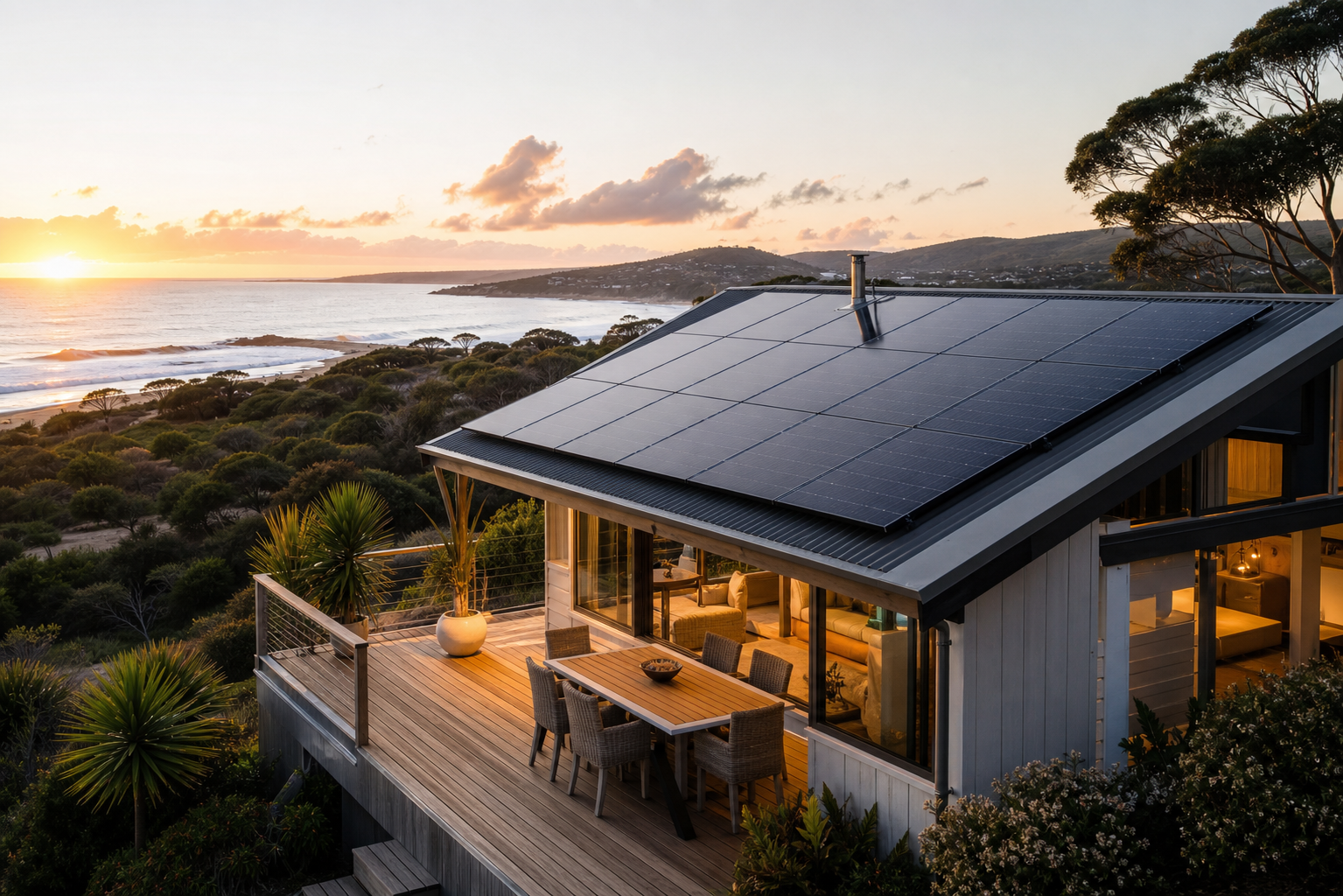
Installing solar on an Airbnb or short‑stay rental isn’t just about slashing the power bill.
For most Australian hosts, the panels are an investment asset tied to a business‑like activity – which means different borrowing options, different tax rules, and more scrutiny from both the bank and the ATO.
In simple terms: if your property is genuinely run as a short‑stay rental, solar can often be depreciated and the interest on the related loan split can be deductible, but only to the extent the place is used to earn income. How you structure the loan – and how you document usage – makes or breaks the benefits.
This guide walks through the borrowing structures, usage splits, depreciation rules and record‑keeping you need so you can make a decision this week with clear numbers, not guesswork.
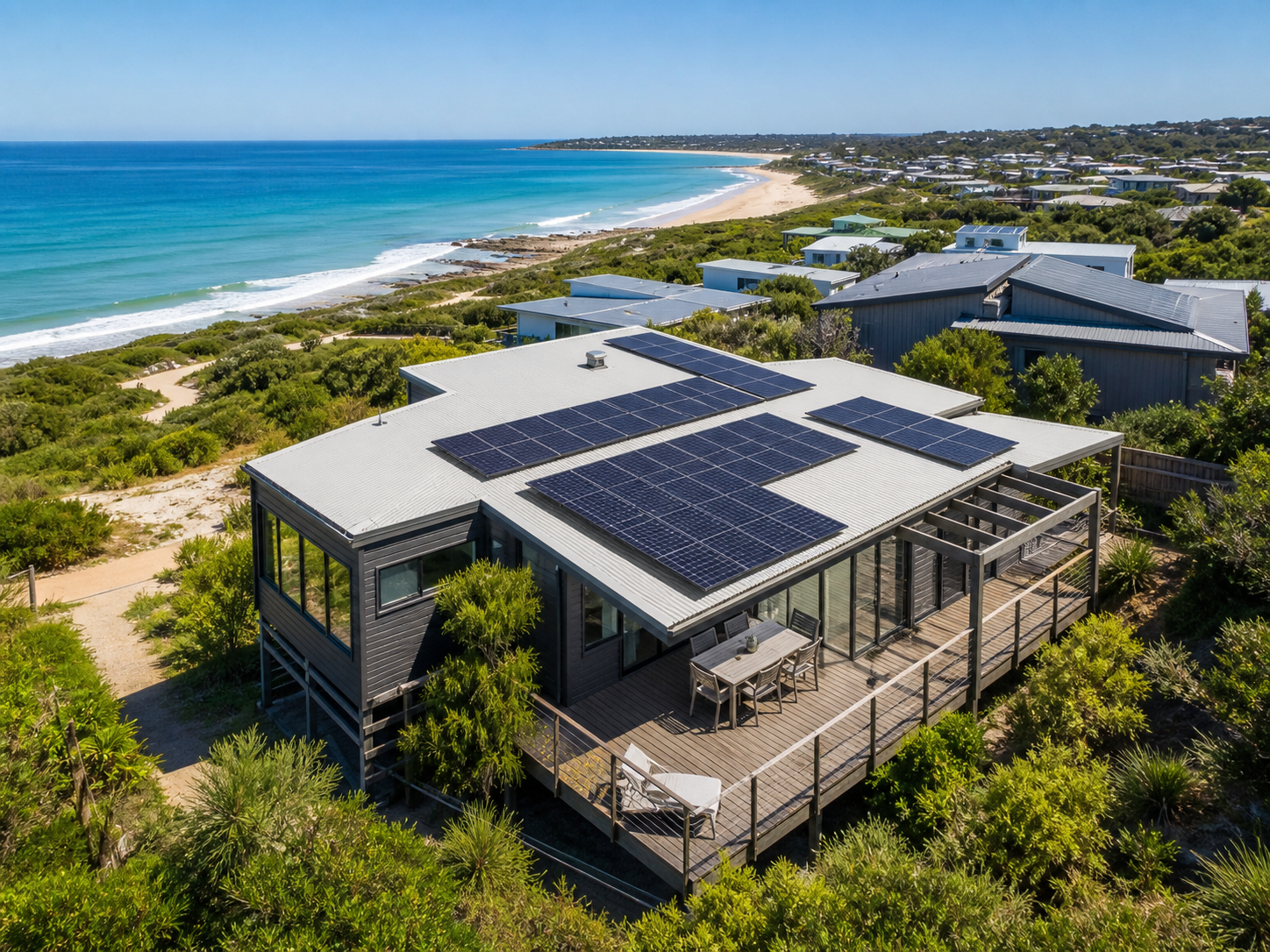
1. How lenders and the ATO see solar on short‑stay and Airbnb properties
1.1 Property type drives the starting position
Before talking loans or tax, you need to be honest about what your short‑stay actually is in practice:
-
Pure investment holiday rental
• Listed year‑round, very limited private stays.
• Treated similarly to a standard investment property. -
Mixed‑use holiday home
• Some weeks for you, some for paying guests.
• Common on the coast and in regional hotspots. -
Primary home with a room/wing on Airbnb
• Your main residence; part is rented occasionally.
Why this matters:
- Lenders categorise the loan purpose mainly as owner‑occupied or investment. A heavily‑used Airbnb is usually treated as investment lending, often with slightly higher rates and tighter serviceability.
- The ATO looks at use of funds and actual usage. Solar mainly serving guests is usually an income‑producing asset; solar mainly serving your family is more like a private expense.
Under Australian tax law, interest deductibility follows what you borrow for, not whose name is on the title or what the lender has labelled the loan. That makes clean splits critical.
1.2 Why solar on short‑stay properties is different to owner‑occupied
Compared with a normal home install, short‑stay solar brings three new wrinkles:
- Mixed‑use: you’ll often have to apportion costs between private and guest use.
- Higher wear and expectations: guests expect air‑con, heated pools, EV charging – meaning bigger arrays and bills.
- More complex records: with negative gearing reforms and quarantining of rental losses from 2026–27, the ATO will expect tighter tracing of which costs truly relate to the rental activity.
If you’re only planning to let the property “a few weekends a year”, solar is probably a lifestyle upgrade first, investment second – so be wary of over‑relying on tax savings when you run the numbers.
2. Borrowing options: home loan split, green loan or business facility?
For most hosts, the real decision isn’t “Can I borrow?” but “Where should the solar borrowing sit?”
You’ve got three main paths.
2.1 Equity top‑up / separate home loan split
If the property has equity, you can usually:
- Top up your existing loan and place the solar cost in a new split, or
- Refinance and include the solar spend in the new facility.
Key points:
- Keep solar in a separate loan split with a shorter term (5–10 years) rather than smearing it into a 25–30 year mortgage. This theme runs through our earlier pieces like /insights/add-solar-to-home-loan-or-refinance and /insights/bank-green-loans-vs-solar-installer-finance.
- Use principal and interest (P&I) so the solar debt actually disappears while the panels are still effective.
- Label the split clearly (e.g. “Beach House Solar – Investment”) for future tracing.
This structure typically gives you:
- Home‑loan level rates (usually lower than unsecured finance).
- Straightforward security – the lender already has a mortgage.
- Clean tax tracing: the split exists solely for the solar.
2.2 Bank green loans and personal loans
Some lenders offer secured or unsecured green loans specifically for solar. These often sit alongside your main mortgage but are not blended with it.
Pros:
- Shorter terms (often 3–10 years) as the default.
- Sometimes discounted rates or fee waivers.
- Clear paperwork showing the funds were used for solar.
Cons:
- Rate may still be higher than a well‑priced investment loan split.
- Can complicate cashflow if not aligned with rental income timings.
Installer finance is usually less attractive – as we unpacked in /insights/bank-green-loans-vs-solar-installer-finance and /insights/reading-solar-quotes-inclusions-warranties-finance-traps – because the cost of finance is often buried in a padded system price.
2.3 Business or commercial facilities for larger hosts
If you:
- Run multiple short‑stay properties, or
- Operate via a company or trust with genuine business scale,
then a commercial or business facility (e.g. equipment finance, business loan) might be more appropriate.
Features:
- Dedicated business purpose – good for tax tracing.
- May support other fit‑out items (furniture, air‑con, pool heaters) in one facility.
- Potentially higher rates but more flexible security arrangements.
In all cases, the same rule applies: keep borrowing for home, investment and business energy upgrades in distinct, purpose‑labelled splits. That’s become a central theme across our solar and energy upgrade content, including /insights/borrowing-batteries-ev-chargers-future-proofing-overcapitalising.
The strategy continues below
You've seen the problem and the groundwork — now unlock the exact steps our CPA-certified brokers use, including 6 more sections. Enter your email for instant, free full access.
Free access. No spam — unsubscribe anytime. Your details stay confidential.
Frequently asked questions
Is solar on an Airbnb property tax-deductible in Australia?▾
Should I use my home loan or installer finance for Airbnb solar?▾
How do I calculate what percentage of solar costs I can claim for tax?▾
Does adding solar to my Airbnb change my loan from owner-occupied to investment?▾
Will new negative gearing rules affect the benefits of Airbnb solar?▾
Can I claim solar costs if my main residence has a room on Airbnb?▾
Speak with a specialist advisor
Confidential consultation, bespoke advice for your situation.