Article
From Mascot Unit to Bigger Home: Practical Upgrade Paths That Work
A decision-grade guide to upgrading from a Mascot apartment to a larger home, with clear paths, numbers, and loan options you can act on this week.
Key Takeaway
Upgrading from a Mascot unit to a larger home usually means choosing between selling first, using a bridging loan to buy before you sell, or keeping the current unit as an investment, with each path driven by equity, borrowing capacity and risk tolerance. With APRA’s 3% serviceability buffer and tightened lending rules for some Mascot apartment types, many households can upgrade only if they structure loans and timing carefully. The key actionable step is to map all three scenarios with a broker this week using real Mascot price assumptions and your exact income and debts.

Upgrading from a unit to a bigger home in or around Mascot usually comes down to three decisions: (1) whether to stay local or move slightly out, (2) whether to sell before you buy, buy before you sell, or keep your unit, and (3) how to structure the finance so the bank actually says yes. This guide turns those into numbers you can compare and a plan you can start on this week.
In Mascot’s unit‑heavy market, lenders can be wary of some buildings, and the APRA‑required 3% serviceability buffer makes borrowing for an upgrade tighter than many expect. The good news: with the right sequence and structure, moving from an apartment to a townhouse or house is still very achievable for many Mascot owners.
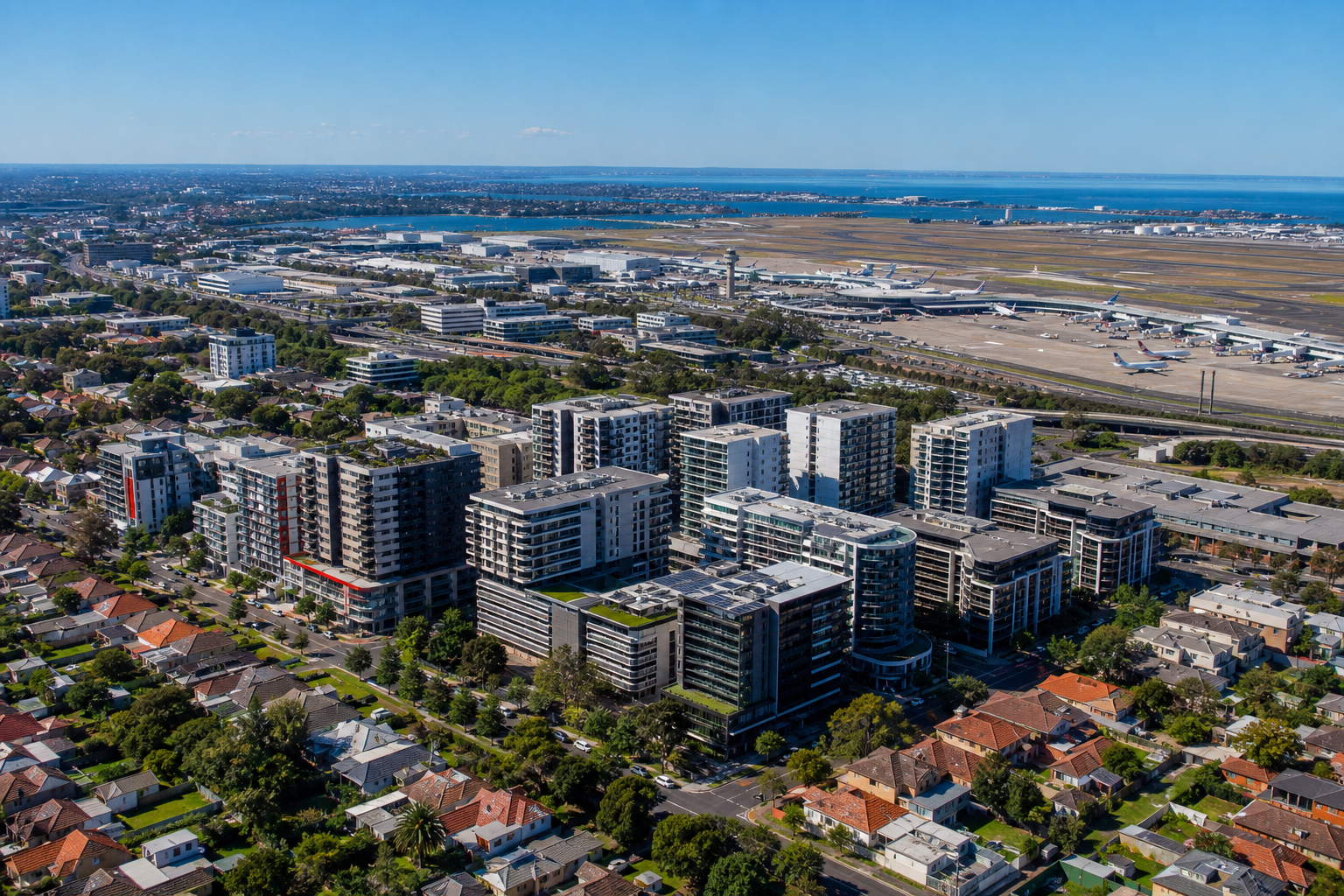
1. Start with your actual Mascot position today
Before you pick a path, you need a clean snapshot of where you are now: equity, borrowing power, and the kind of property you own.
1.1 Know what your Mascot unit really looks like to a bank
Banks don’t treat all Mascot apartments equally. High‑density towers, smaller studios and mixed‑use buildings often have tighter lending rules and lower maximum LVRs.
If you haven’t already, read How Mascot Property Types Shape Your Home Loan Options This Year. Key points for upgraders:
- Some Mascot units are capped at 70–80% LVR, even for owner‑occupiers.
- Smaller units (under ~50–55 m² internal) can be treated like "non‑standard" security.
- Flight‑path and mixed‑use sites can affect valuation and LVR.
This matters because your usable equity depends on what lenders are prepared to lend against, not just an agent’s price guide.
1.2 Quick equity sense‑check (worked example)
Let’s say:
- Current Mascot unit value (bank valuation): $900,000
- Current home loan: $500,000
- Indicative maximum LVR banks will allow on your unit for an upgrade: 80%
Maximum loan at 80% LVR = $900,000 × 80% = $720,000
Usable equity = $720,000 – $500,000 = $220,000
That $220,000 can help fund:
- Deposit and costs on the new place
- Stamp duty
- Moving and minor renovation costs
If your building is in a tighter category (say, 70% LVR cap), the same unit might only support a $630,000 loan limit — dropping usable equity to $130,000. That’s a big strategy difference.
1.3 Check your borrowing power under today’s rules
Lenders must test your ability to repay at a rate at least 3% higher than the actual rate (APRA buffer). So if you’re quoted 5.8% p.a., the bank will test you at 8.8% or more.
That means:
- Higher card limits, BNPL, car loans or personal loans cut borrowing capacity sharply.
- Self‑employed and aviation workers around Mascot often face extra shading and averaging of income.
If you’re in that group, pair this guide with Smart Mascot Home Loans for Aviation, Expats and Complex Income and Choosing the right documentation pathway for your next home loan. The documentation path you choose (full‑doc vs alt‑doc) can make or break an upgrade.
 *Modelling sell, bridge and keep scenarios turns vague plans into…
The strategy continues below
You've seen the problem and the groundwork — now unlock the exact steps our CPA-certified brokers use, including 8 more sections. Enter your email for instant, free full access.
Free access. No spam — unsubscribe anytime. Your details stay confidential.
Frequently asked questions
Is it better to sell my Mascot unit before buying a bigger home?▾
Can I use a bridging loan to buy a house before selling my Mascot apartment?▾
Can I keep my Mascot unit as an investment when I upgrade?▾
How much equity do I need to upgrade from a Mascot apartment to a house?▾
I’m self‑employed. Will that stop me upgrading my Mascot home?▾
What if interest rates rise further after I upgrade?▾
Speak with a specialist advisor
Confidential consultation, bespoke advice for your situation.