Article
Equipment finance strategies for tradies: vans, tools and tech
A practical guide for electricians, plumbers and small contractors on financing vans, tools and equipment without choking cashflow or risking the family home.
Key Takeaway
Equipment finance for tradies lets electricians, plumbers and small contractors fund vans, tools and machinery over 3–7 years with the asset as security, keeping cashflow free for wages and materials. Typical terms match the gear’s useful life, and mainstream lenders may fund up to 100% of standard vehicles and equipment. The most practical strategy is to ring‑fence business debt in dedicated facilities, choose realistic balloons, and test affordability against conservative cashflow before signing a contract.
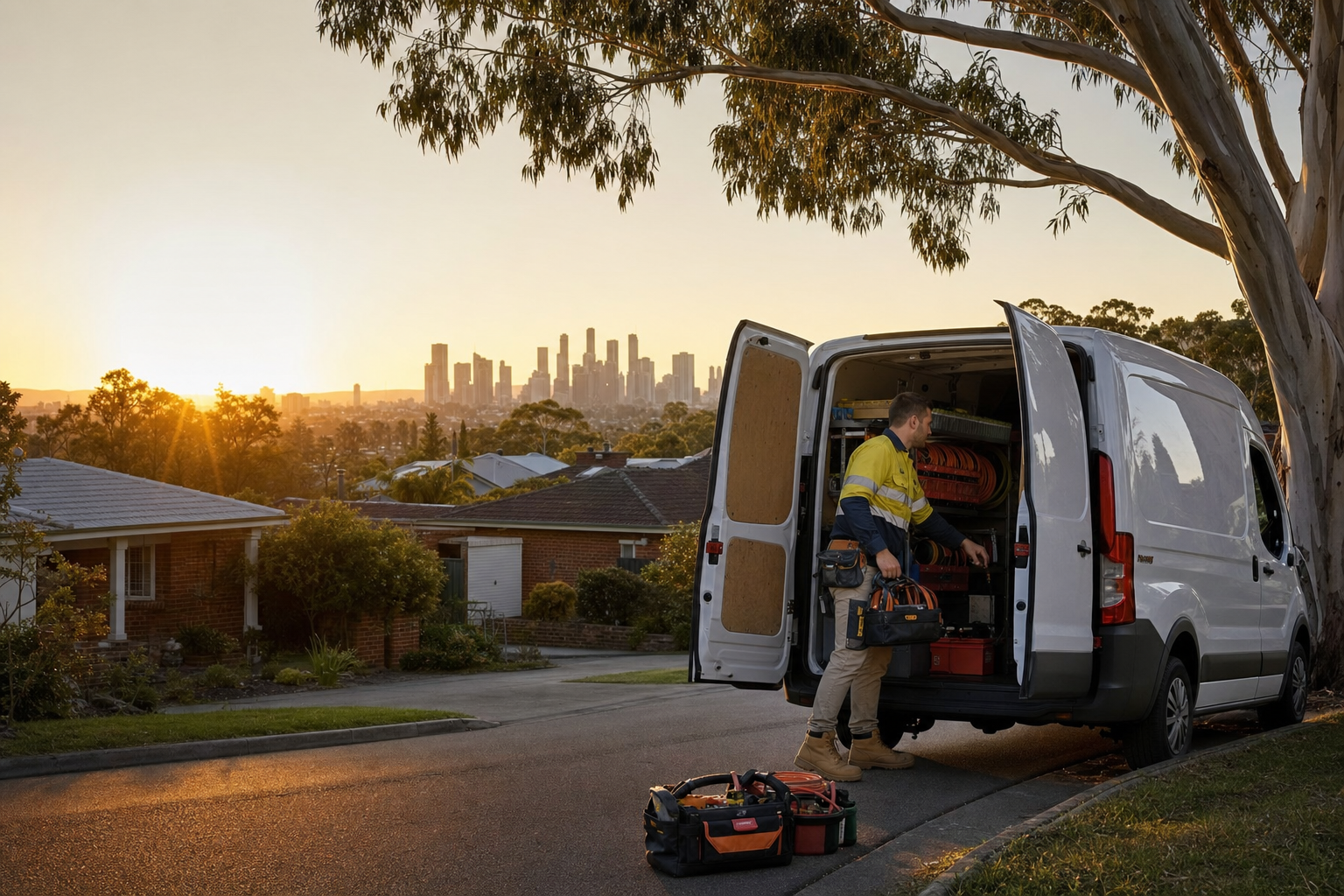
Tradie equipment finance lets electricians, plumbers and small contractors buy or upgrade vans, tools and machinery over 3–7 years, with the gear itself securing the loan instead of your family home. Done well, it smooths cashflow, preserves working capital for wages and materials, and keeps your tax position clean and defensible.
In this guide we’ll focus on what actually matters this week: how much you can sensibly borrow, which structure fits a tradie business, and how to avoid the traps that hurt cashflow and home‑loan plans later.
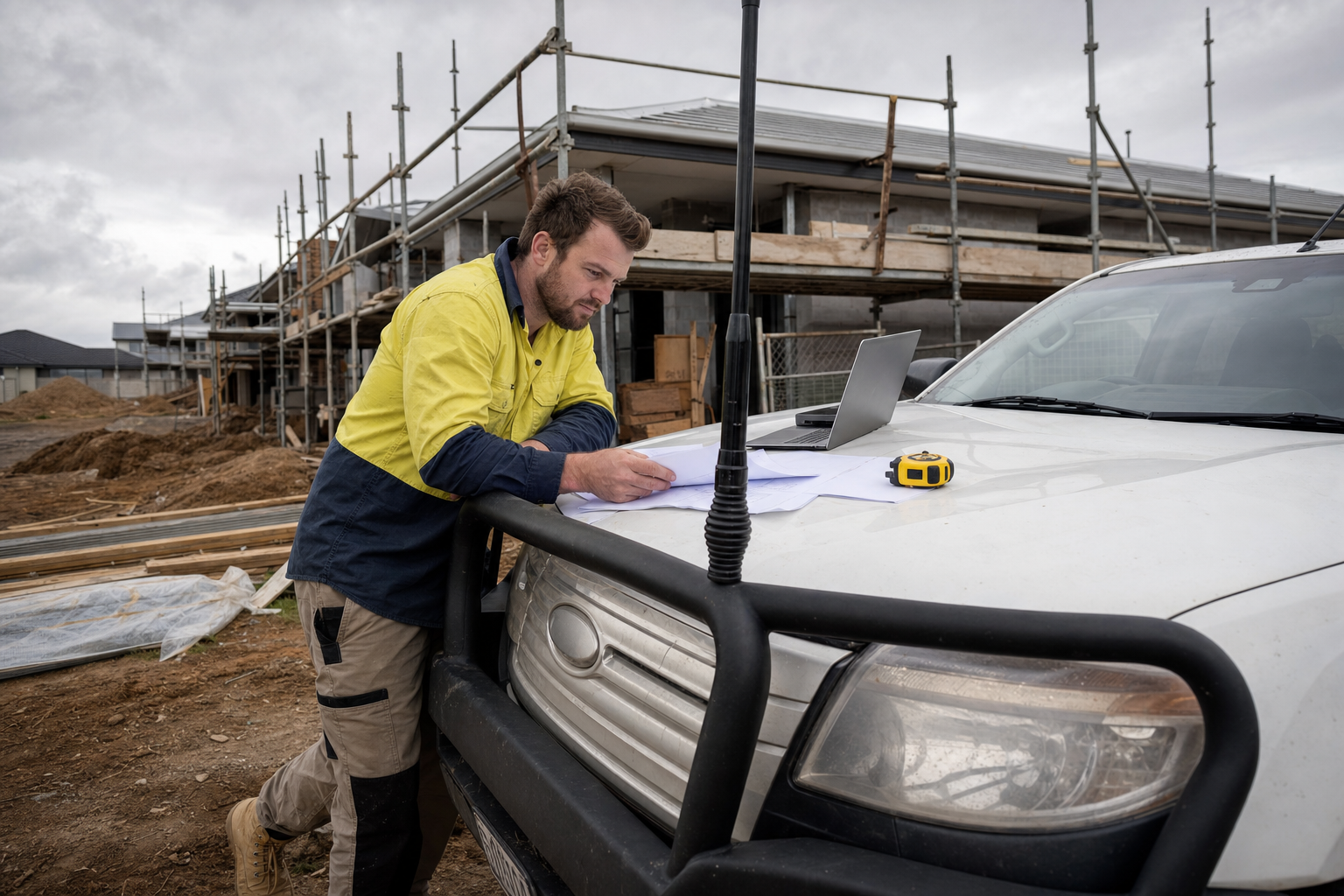
1. What tradie equipment finance actually is
Equipment finance is a business loan where the van, ute, trailer, excavator or major tools are the main security for the lender. Terms usually match the asset’s working life – commonly 3–7 years for vehicles and standard machinery (9). Many lenders will fund up to 100% of the purchase price for standard, re‑saleable assets where the business is established and profitable (15).
If you want a broader refresher on structures, tax and approval basics, read Understanding Business Equipment Finance in Australia Today alongside this tradie‑specific guide.
Common structures for tradies
Most tradies will see three main options:
- Chattel mortgage – you own the asset from day one; interest and depreciation are usually deductible.
- Commercial hire purchase – similar cashflow to a chattel; ownership transfers at the end.
- Finance lease – the lender owns the asset; you claim lease payments, then usually buy the asset at the residual.
Your accountant should drive the tax call; your broker should drive the cashflow and risk call.
2. Vans, tools and tech: what lenders like (and don’t)
Lenders love assets they can resell easily and hate gear that’s old, highly customised or hard to value.
Australian lenders commonly set a maximum total asset age at the end of the term, often 10–15 years for vehicles and standard machinery (3). That drives both how long you can borrow for and whether you can add a balloon.
New vs used vans and gear
Used equipment usually means lower maximum LVRs, shorter terms and higher pricing than comparable new gear because resale value and reliability are weaker (2). That matters a lot if you’re eyeing a cheap high‑kilometre van or second‑hand excavator.
| Asset type | Typical max LVR* | Typical term range | Lender comfort level |
|---|---|---|---|
| New electrician/ plumber van | Up to 100% | 5–7 years | Very comfortable |
| Near‑new used van (≤3 yrs) | 80–100% | 4–6 years | Generally good |
| Older ute (7–10 yrs by end) | 60–80% | 3–5 years | Cautious |
| Standard power tools package | 80–100% | 3–5 years | Good if branded |
| Highly specialised machinery | 50–80% | 3–5 years | Case‑by‑case (14) |
*Indicative only – actual policies vary by lender and your financials.
For a deeper dive on this trade‑off, see Financing New vs Used Equipment: What Australian Lenders Allow.
The strategy continues below
You've seen the problem and the groundwork — now unlock the exact steps our CPA-certified brokers use, including 6 more sections. Enter your email for instant, free full access.
Free access. No spam — unsubscribe anytime. Your details stay confidential.
Frequently asked questions
Can I get 100% finance for a new tradie van?▾
Is it better to pay cash for tools instead of financing them?▾
Will equipment finance affect my ability to get a home loan?▾
How long can I finance a used ute or excavator?▾
Should I use my home equity to buy a van for my trade?▾
Speak with a specialist advisor
Confidential consultation, bespoke advice for your situation.